Top 10 Facts About Coyotes
-
Coyotes are monogamous, meaning they mate for life
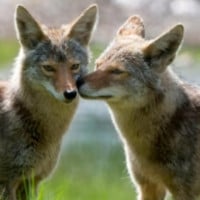
Coyotes are known to form strong bonds with their partners throughout the breeding seasons, which occur around January through March, and they're known to mate for life.
-
Coyotes are typically crepuscular and diurnal
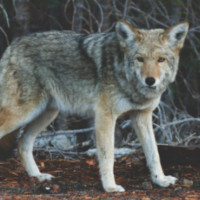
Crepuscular means they're most active during dawn and dusk, as well as sometimes during the day.
They're also found to hunt at night.
-
Coyotes are omnivores
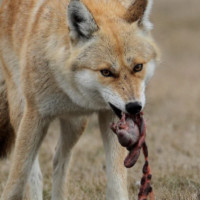
Coyotes are opportunistic scavengers and will eat just about everything they can get. They'll feed on small mammals like squirrels, rabbits, and mice, along with fruits, carrion, and sometimes even garbage and dog and cat food.
-
Coyotes can make up to 11 different vocalizations
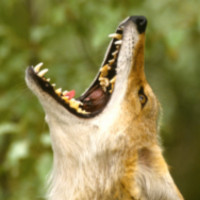
Researchers have identified 11 different vocalizations: growl, huff, woof, bark, bark-howl, lone howl, group yip-howl, whine, group howl, greeting songs, and yelps.
Coyotes usually use these vocalizations to communicate with each other, including to signal to others outside their territory.
-
A coydog is a hybrid between a domestic dog and a coyote
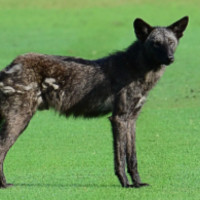
Yes, coydogs are a real thing, like wolfdogs, and aren't suitable pets. They still have wild coyote traits, can be highly destructive and active, and may even become aggressive.
-
There is only one species of coyote and 19 recognized subspecies
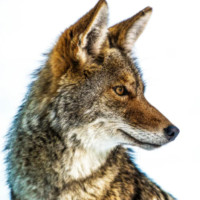
The coyote's scientific name is Canis latrans, and it's the only species of its kind.
-
Coyotes are known by many other names
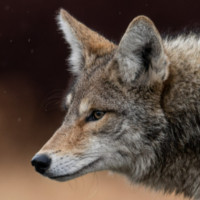
These other names include brush wolves, prairie wolves, little wolf, and American jackals.
-
Coyotes are very smart
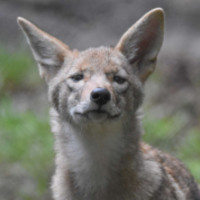
This adaptability is part of what has made them so successful in modern landscapes.
-
Coyotes have been known to eat outdoor cats
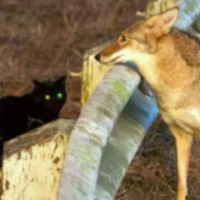
Not just cats, small dogs as well. I recommend getting a predator jacket that will protect your dog from potential coyote threats.
-
Coyotes are killed for their pelts
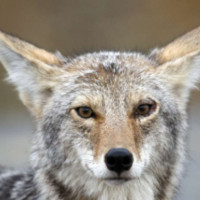
Coyotes are trapped and killed for their pelts, which are used in clothing like fur-lined jackets.
-
Coyotes are among the top 15 fastest land animals
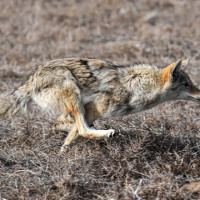
Coyotes are very fast runners and are able to reach speeds of over 40 miles per hour. They are native to North America.