Top 10 Best Living, Extinct, or Fictional Creatures to Have as Pets
We all love pets, right? While there are some living, extinct, and fictional species that would make bad pets (see my "Worst Creatures (Living, Extinct, or Fictional) to Have as Pets" list to learn more), there are some that could actually make really good pets.
So, here is the list of real (living and extinct) animals and fictional creatures that would make good pets - sometimes great ones.
-
Microraptor
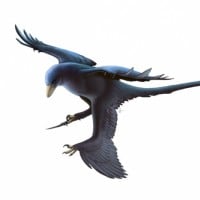
Being a small, arboreal, true flying dinosaur, this animal would make a great pet. Although it's naturally nocturnal, domesticated descendants of Microraptor could become more diurnal and would be better pets.
-
Archaeopteryx
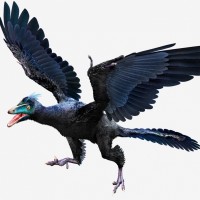
Just like Microraptor, this bird relative would make a great pet, assuming its diet isn't limited to only some kinds of small animals. Hopefully, it would feed on any small animals, preferably ones that are already dead when served.
-
Serval
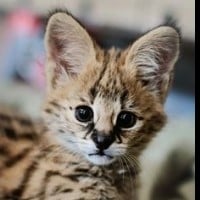
The serval is a medium-sized wild cat native to Africa. It is known for its long legs, slender body, large ears, and coat marked with bold black spots and stripes.
Servals inhabit grasslands, wetlands, and other areas with dense vegetation, where their excellent hearing helps them detect prey... read more
I've heard great things about this animal as a pet. They're basically dogs, but in the form of cats.
-
Elf

Imagine having a fantasy elf by your side. This is straightforward, although it wouldn't be an actual pet, more of a partner or friend.
-
Magyarosaurus
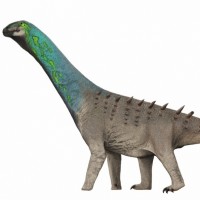
As one of the smallest known sauropods, if not the very smallest, Magyarosaurus is about the size of a horse or a cow, or maybe smaller according to recent studies. This makes it a great candidate as a pet in a farmyard or a big backyard with lots of trees and shrubs for it to feed on. I'd certainly love to have this as a pet.
-
Velociraptor mongoliensis
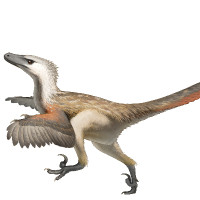
Contrary to popular belief, Velociraptor was not a scaly, man-sized, lizard-like, pack-hunting monster that could slash its prey with claws (like a cassowary). Instead, it was a turkey-sized, fully feathered, bird-like animal that used its claws to pin prey to the ground (like a bird of prey). Although it's debated whether they were social or not, I assume they only hunted in loose gangs, based on dinosaurian logic, not movie monster logic or mammalian logic.
If I had to guess, I believe the real Velociraptor, unlike its movie counterparts, would make a good pet, assuming it was bred and trained in captivity. It would basically be a ground-hawk equivalent to dogs.
-
Yi qi
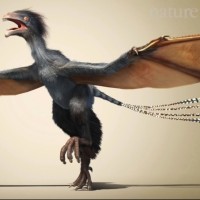
This is pretty self-explanatory due to its tiny size and insect-only diet, as far as I'm aware. It would possibly make a great pet for people who want non-bird dinosaurs instead of birds, or even instead of dogs or cats, as companions.
-
Mogwai (Gremlins)
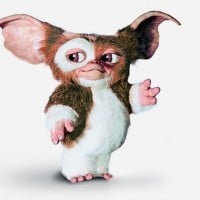
If we could get mogwais in reality to be like Gizmo himself, they'd be very easy to train and keep as pets. However, they're vulnerable to sunlight and reproduce with water to create new mogwais, which misbehave and want to eat after midnight to become gremlins the next day.
If we genetically modified hypothetical real-life mogwais so they weren't negatively affected by sunlight or other bright lights, and so the newly created mogwais didn't want to eat after midnight, then mogwais would be the perfect pet for people who want something more unique than just a dog or a cat.
-
Furby
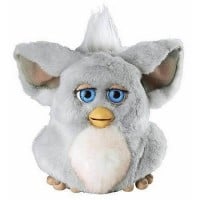
Yes, I know this is controversial, but Furbies, which are either birds or mammals, would probably make good pets like mogwais. The difference is that they don't have the sunlight issue or the risk of turning into dangerous monsters.
-
Sinosauropteryx
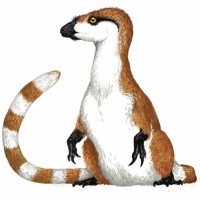
Imagine keeping and caring for a small, generic (but cute) non-bird theropod as a pet. Sinosauropteryx would probably be a great starter pet for those who want non-avian dinosaurs as pets.
I've loved this dinosaur ever since its appearance in Jurassic World Evolution 2, and I personally want one as my pet. And no, it wouldn't pack-hunt in real life, unlike in the game, so it would be much safer to keep and have as a pet.
-
?
Piranha
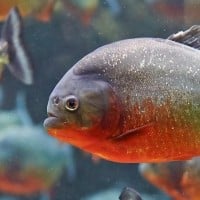
A piranha, or piraña, is a member of the family Serrasalmidae in the order Characiformes and is a freshwater fish that inhabits South American rivers, floodplains, lakes, and reservoirs. Piranhas are known for their sharp teeth and powerful jaws. While their danger is often exaggerated in popular media... read more
-
?
Lionfish
-
Grim Reaper

-
Leptictidium
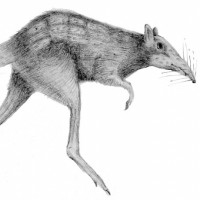
Leppy! So cute! I first saw these when I watched Jimmy Neutron as a kid.
-
Thylacine
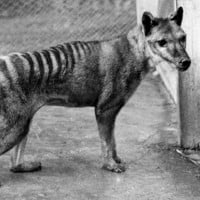
The thylacine was the largest carnivorous marsupial of modern times. It is commonly known as the Tasmanian tiger or the Tasmanian wolf due to the stripes across its back. The last known thylacine died in captivity in 1936 at Hobart Zoo in Tasmania.
-
Caracal
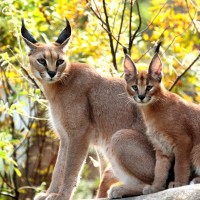
The caracal is a medium-sized wild cat native to Africa, the Middle East, and parts of Central Asia and India. It is known for its powerful leaping ability and agility, especially when hunting birds. The caracal also has distinctive long ears with black tufts and typically preys on birds, rodents, and... read more
-
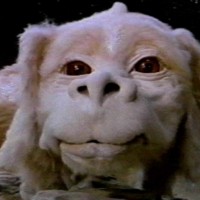
Luckdragon (The Neverending Story)
-
Compsognathus
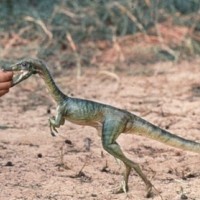
Compsognathus is a genus of small, bipedal, carnivorous theropod dinosaurs. Members of the single recognized species, Compsognathus longipes, could grow to about the size of a turkey, approximately 3.3 feet long. It lived during the Late Jurassic period and was one of the first dinosaurs known from... read more
A small, almost chicken-sized theropod would make a great pet, unlike in the Jurassic franchise, due to its small size, being a predator of only insects and small vertebrates, and not capable of hunting in big packs or swarms. As such, just like the Sinosauropteryx, Compsognathus would be an amazing pet.
Edit: Ugh, why did this automatically redirect to the horribly inaccurate, deadly, pack-hunting, scaly, pronate-wristed Compsognathus depiction from the Jurassic franchise? Talk about contradicting what I just said here.
-
Pyroraptor
-
Oviraptor
-
Simosuchus
-
Miotapirus
-
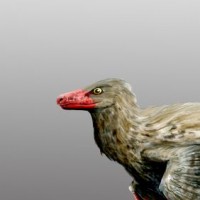
Hesperonychus
-
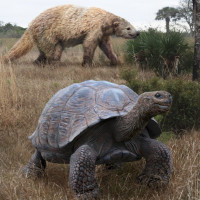
Hesperotestudo
-
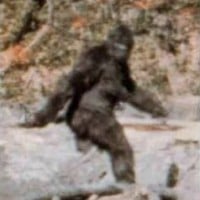
Bigfoot
-
Beaver
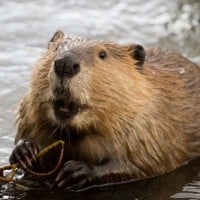
The beaver is a large, primarily nocturnal, semiaquatic rodent. The genus Castor includes two extant species: the North American beaver (Castor canadensis) and the Eurasian beaver (Castor fiber). Beavers are known for building dams, canals, and lodges, significantly shaping their ecosystems and creating... read more
-
Duck
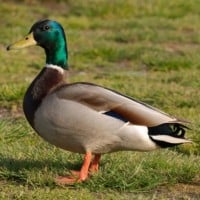
Duck is the common name for numerous species in the waterfowl family Anatidae, which also includes swans and geese. Ducks are generally smaller than their relatives and are found in freshwater and marine habitats across the world. They are known for their broad bills and webbed feet, while many species... read more