Top 10 Facts About Guinea Fowl
Guinea fowl are well known by farmers and zookeepers, but not many other people know about these noisy birds native to Africa. Here's the top ten list on the guinea fowl.
-
They travel in packs
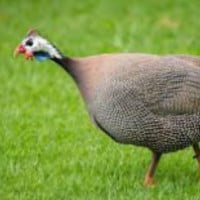
They are like a pack of wolves in terms of sticking together. If you saw two, you knew all the others were close by.
It looks interesting seeing large birds all gathered in one place and running around together. On occasion, they will separate and form two different groups, but they are always with one another. You will not find one standing alone unless it is nesting or injured.
-
They are able to fly at early ages
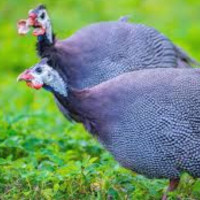
They are able to fly 400 to 500 feet at a time. Guineas are also very good runners and prefer to move on foot.
-
They are omnivores
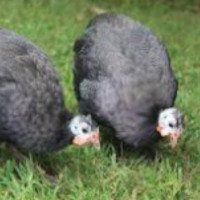
Guinea fowl, like most farm birds, are omnivores, snacking on seeds, grasses, worms, snails, flowers, and sometimes even lizards.
-
They are natural pest control
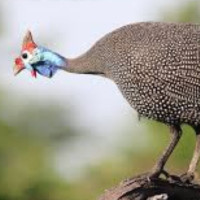
Guinea hens are voracious insect eaters. They can significantly reduce the populations of ticks, beetles, grasshoppers, and other pests. This makes them an excellent, eco-friendly solution for keeping your property pest-free.
-
They are great alarm systems
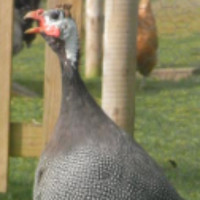
Guinea hens are known for their loud, distinctive calls. While this might seem like a nuisance, it actually makes them excellent watchdogs. They will alert you to any unusual activity or intruders, including predators such as foxes and snakes.
-
They are low maintenance
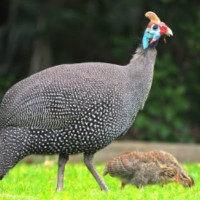
Compared to other poultry, guinea hens require minimal care. They are hardy birds, resistant to many common poultry diseases, and can forage for much of their food if given enough space.
-
They can control weeds
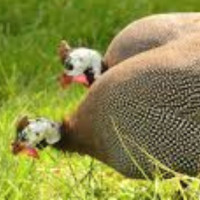
In addition to eating insects, guinea hens also help control weeds. They forage on various plant seeds, which can help maintain a more manageable garden or pasture.
-
They have long lifespans
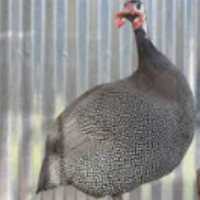
With proper care, guinea hens can live up to 10 to 15 years, providing long-term benefits and companionship on your farm.
-
They are more adapted to free range
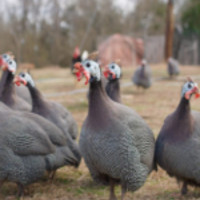
They are actually easier to take care of than chickens because they are great free-range birds.
-
They are not very good mothers
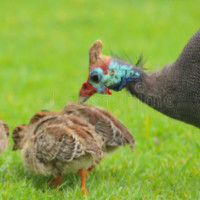
They are known to abandon the nest and allow the eggs to spoil. The incubation period for the guinea hen is 26 to 28 days, a little longer than the chicken, which incubates in approximately 21 days. The guinea offspring are called keets. The males are very aggressive toward one another and will fight often.