Top 10 Facts About Sheep
People usually pass by sheep, wondering if they are good for anything other than meat or being a farm animal that is generally considered "boring."
But what if they weren't boring?
-
Sheep have rectangular pupils

Like many farm animals, sheep have rectangular pupils. This allows for a wide field of vision, ranging from 270 to 320 degrees.
They can almost see all the way around without moving their heads. This provides an advantage when spotting predators, even while grazing.
-
Sheep don't have upper front teeth
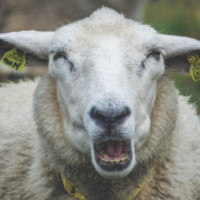
Sheep have an upper lip that is divided by a distinct groove called a philtrum.
-
Sheep are usually sheared once a year
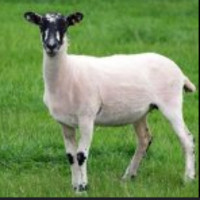
This usually happens before lambing or during springtime, before hot weather arrives.
-
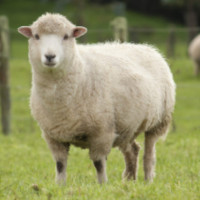
A female sheep is called a ewe
-
A male sheep is called a ram or a wether
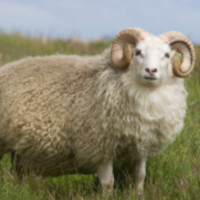
If a male sheep has been castrated, he is called a wether. If he has not, he is called a ram.
-
Sheep have a strong sense of smell
Sheep communicate with each other through scent and environmental cues.
They have scent glands in front of their eyes and on their hooves that produce secretions used to communicate with one another.
-
Sheep have strong memories
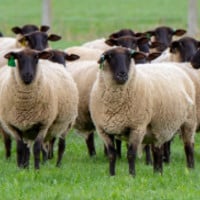
Sheep are very intelligent and can remember up to 50 individuals, including both humans and other sheep.
-
The American Sheep Industry Association recognizes 47 different breeds of sheep in the United States
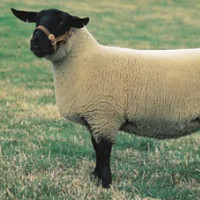
These breeds are classified into six different breed types: meat, fine wool, long wool, dual purpose, hair, and minor breeds.
-
A group of sheep is called a flock
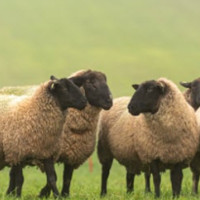
Sheep exhibit a "follow the leader" order, with different sheep taking turns leading the group while moving. Smaller flocks of around 20 often have a matriarchal structure, similar to elephants and many other animals, with a dominant ewe and her daughters holding a higher rank.
However, if the flock becomes larger, they tend to split into smaller flocks, each with its own social structure. Sheep are also known to switch leadership roles and work cooperatively within the group.
-
Sheep are herbivores