Top 10 Facts About Rays
Rays are oceanic creatures related to sharks. Some species are small, while others grow very large. Certain rays are venomous, but many are completely harmless.
-
Rays have been around for a very long time
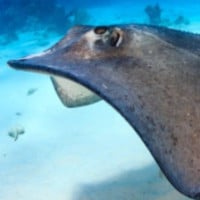
A shared trait between rays and sharks is how long both species have existed. Fossil records of rays date all the way back to the Jurassic era, around 150 million years ago. Thankfully, their teeth and scales fossilized. Otherwise, we would have no record of how long rays have existed because cartilage doesn't fossilize.
-
Some ray species can grow as long as 14 ft
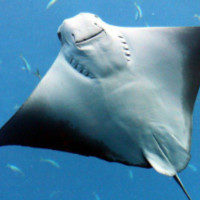
The largest stingray ever caught was 14 ft long and 7.9 ft across, which is equivalent in length to an average-sized car.
-
Rays have teeth
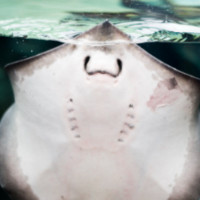
Rays have teeth. Despite being cartilaginous creatures, rays have teeth strong enough to crush mollusk shells, and their jaws are made up of several layers of calcified cartilage to keep them light but durable.
-
Ray pups are born fully formed
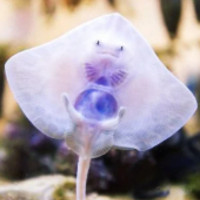
When rays are born, they look like miniature versions of their parents and are already good swimmers.
-
The oceanic manta ray is the largest species of ray
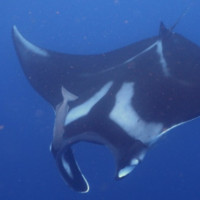
They have a wingspan of up to 26 feet and can weigh over 5,000 pounds.
-
The short-nosed electric ray is the smallest species of ray
They are about 4 inches across and weigh about 1 pound.
-
Rays are closely related to sharks
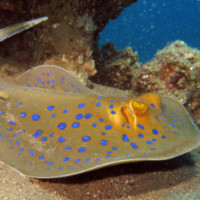
Rays are closely related to sharks and are akin to some shark species. For example, they don't have bony skeletons and are instead made up of cartilage.
-
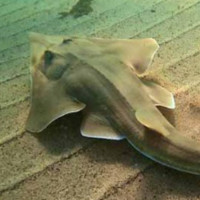
There are more than 200 species of stingrays
-
There are two recognized species of manta rays
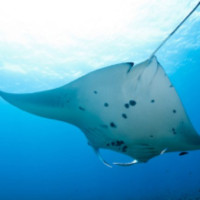
The giant oceanic manta and the reef manta ray. There is a third species of manta ray, the Atlantic manta ray, but it hasn't been issued as a recognized species.
-
Manta rays love to be clean and are covered in a mucous film
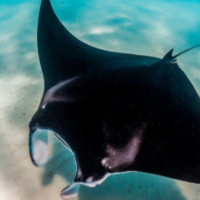
Deemed clean freaks, mantas repeatedly seek out cleaning stations and allow smaller fish to remove parasites and dirt from their bodies. They can spend several hours a day being cleaned and patiently wait in line for their turn if the cleaning station is busy.