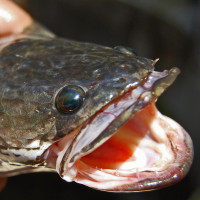
Top 10 Worst Invasive Species in the United States
-
Burmese Python
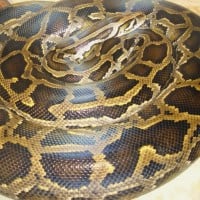
It eats everything! It can literally swallow a baby alligator whole! How is that possible? They expand their bodies. Enough said. Honestly, other than the fact that they're dangerous to the ecosystem, they're also terrifying.
Burmese Python
- Why it's bad: Apex predator in the Florida Everglades. Eats everything from rabbits to alligators.
- Damage: Devastates populations of native mammals, birds, and reptiles.
- Spread: Southern Florida, especially the Everglades.
How did they invade Florida? People released their snakes because they did not want them anymore. Just return it to the pet store.
This species of snake is harmful to the Florida ecosystem.
-
Spotted Lanternfly
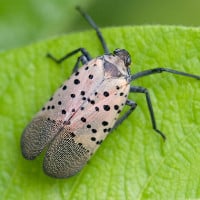
Why it's bad: Sucks sap from trees, weakening them and making them vulnerable to disease.
- Damage: Targets grapes, fruit trees, and hardwoods. Poses an economic threat to agriculture.
- Spread: Rapidly expanding from Pennsylvania across the Northeast and Mid-Atlantic.
The population has been rapidly decreasing every year, though.
Kill them. They are hurting trees.
-
Asian Carp
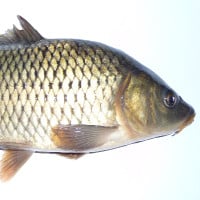
Asian Carp (Silver, Bighead, Black, Grass)
- Why it's bad: Outcompete native fish for food and habitat. Silver carp jump out of the water and injure boaters.
- Damage: Threaten the Great Lakes ecosystem and disrupt river food chains.
- Spread: Mississippi River basin and beyond.
-
Emerald Ash Borer
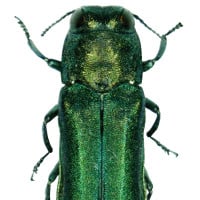
Why it's bad: Larvae bore into ash trees, killing millions of them.
- Damage: Over $10 billion in damages. Entire forests affected.
- Spread: From Michigan to over 30 states.
-
Feral Hog
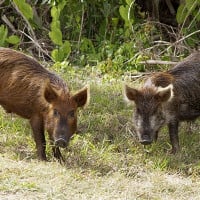
Why it's bad: Destroy crops, damage ecosystems, and spread disease.
- Damage: Estimated $2.5 billion in annual damage.
- Spread: Found in over 30 states and expanding.
-
European Starling
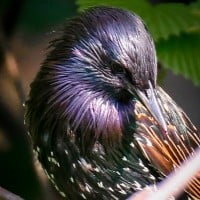
Why it's bad: Aggressively displaces native cavity-nesting birds like bluebirds and woodpeckers.
- Damage: Agricultural pest, bird strike hazard at airports.
- Spread: Entire U.S. (descended from 100 released in NYC in the 1890s).
-
Cogongrass
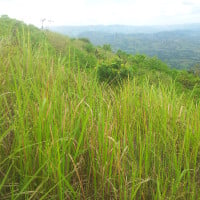
Why it's bad: Outcompetes native plants and fuels wildfires.
- Damage: Turns biodiverse ecosystems into flammable monocultures.
- Spread: Southeastern U.S., from Texas to Florida and up into the Carolinas.
-
Zebra Mussel
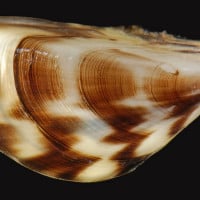
The shell fragments cover some beaches (there are so many of them!), and they are annoying to sweep off afterward.
It looks like I could injure myself on them, but I have not walked enough on those beaches to know whether or not I would. It's too bad we can't eat some invasive species.
Why it's bad: Clog pipes, outcompete native mussels, and disrupt aquatic food webs.
- Damage: Billions in infrastructure costs and ecological harm.
- Spread: Great Lakes and river systems.
-
Brown Tree Snake
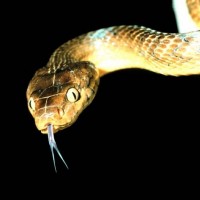
Why it's bad: Caused the extinction of native birds, bats, and lizards on Guam.
- Damage: Ecological collapse and frequent power outages from climbing power lines.
- Spread: Confined to Guam, but a serious threat to Hawaii if introduced.
-
Sea Lamprey
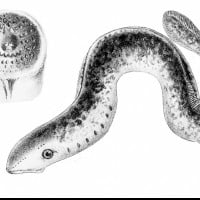
I hate those things! I hate every part about them! I hate their teeth, I hate their slimy skin, I hate their creepy looking tongue that they cut you open with, I hate how they suck your blood, and I hate how they're invasive to the Great Lakes here in Michigan.
I mean it! I hate Lampreys. I had to dissect one in science for school this year. It was so gross.
I saw one of these guys in Oregon. It was in a fish ladder and just disgusting, but interesting at the same time.
-
?
Brown Marmorated Stink Bug
-
?
European Hornet
Kind of invasive here in North America.
-
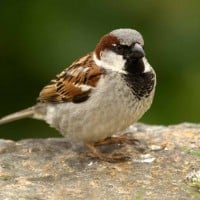
House Sparrow
-
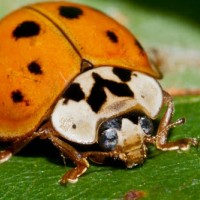
Asian Lady Beetles
-
Nutria

Why it's bad: Eat vegetation that holds wetlands together. Cause erosion and loss of marshland.
- Damage: Especially harmful in Louisiana and the Chesapeake Bay.
- Spread: Gulf Coast, Pacific Northwest, and Mid-Atlantic.
-
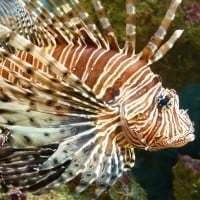
Lionfish
-
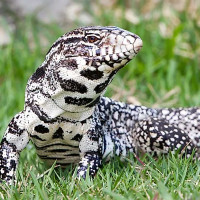
Argentine Tegu
-
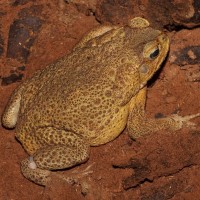
Cane Toad
-
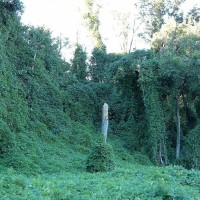
Kudzu
-
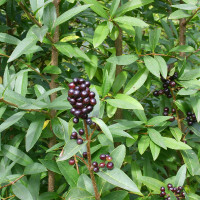
Privet
-
Africanized Bee
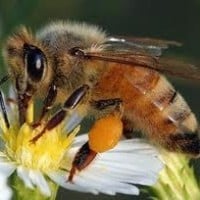
Killer bee is a term used to describe the Africanized honey bee, a hybrid of the African honey bee and various European honey bee subspecies. The African honey bee was introduced to Brazil in 1956 in an attempt to increase honey production, and swarms escaped quarantine the following year. Africanized... read more
-
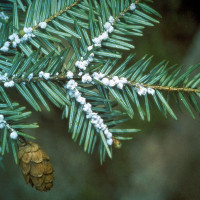
Hemlock Woolly Adelgid
-
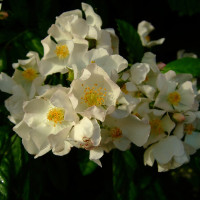
Multiflora Rose
-
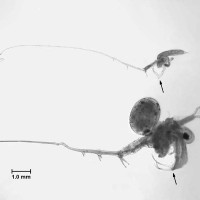
Spiny Waterflea
-
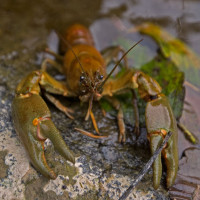
Rusty Crayfish
-
Giant African Land Snail
-
Snakehead