Top 10 Facts About Sea Stars
Sea stars are a well-known group of animals that live in the ocean. These creatures come in many shapes, sizes, and colors.
Most sea stars have spiny skin and five arms, although some species can grow as many as 50 arms. Their arms are covered with pincer-like structures and tube feet with suction, which allow the animal to slowly creep along the ocean floor.
Light-sensitive eyespots on the tips of the arms help the sea star find food. Despite the old common name starfish, sea stars are not fish but echinoderms, which means spiny skin.
-
They weigh more than what you'd think
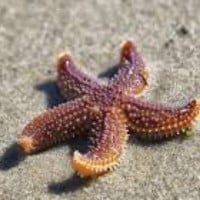
They might look small, but in fact, starfish can weigh up to an impressive 11 pounds, if not heavier, depending on the species.
-
They have incredible lifespans
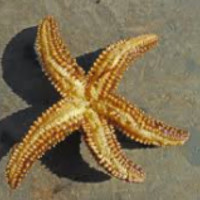
The lifespan of a starfish can reach an impressive 35 years. Usually, large starfish species tend to live longer than smaller species.
-
There are around 2,000 species of sea star
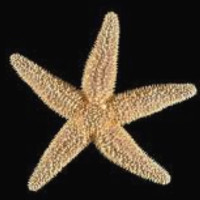
They can live in a variety of different climates, both warm and cold, and can be found everywhere from the Indian and Pacific Oceans to our local waters, and even in Arctic oceans.
-
Not all species have 5 arms

There is a group of less common species that have more than five arms, and some of them can grow as many as 40 arms of different lengths.
-
They are marine only
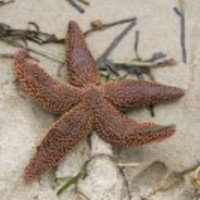
Starfish only live in salt water, which means you'll only find them in the ocean.
-
They are masters of regeneration
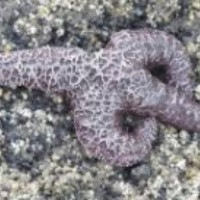
They have the ability to grow a replacement limb all on their own, although doing so can take up to a year.
-
They don't have a brain or blood

Starfish use filtered sea water to pump nutrients through their water vascular system instead of having blood to do so.
-
They can reproduce in two ways
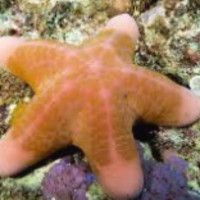
Sea stars can reproduce sexually. They do this by releasing sperm and eggs called gametes into the water. The sperm fertilizes the gametes and produces swimming larvae which eventually settle on the ocean floor, growing into adult sea stars. Sea stars can also reproduce asexually through regeneration, such as when they lose an arm.
-
A brittle star is the sea stars closest relative
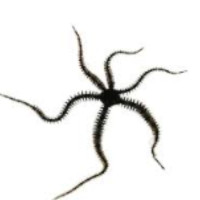
There are over 2000 species of brittle stars alive today and most species inhabit marine habitats with depths greater than 1500 feet. There are a few species of shallow water brittle stars. These species live in the sand or mud just below the low tide mark. They often live amongst coral and sponges as well.
-
They push their stomachs out of their bodies to eat

When they capture prey, they use tiny suction cups to grab hold of their food. Then their stomach exits through their mouth to digest the food and reenters the body when they're done eating.