Top 10 Lost Bird Species That Might Still Exist
-
Pink-Headed Duck
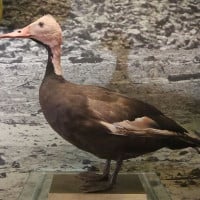
Myanmar "ghost"
Why hope? Multiple expeditions focused on Kachin State and the Hukaung area concluded that the habitat and local reports made persistence plausible. Some researchers even suggest partly nocturnal habits could explain the lack of daytime encounters.
New field notes in 2024 show teams are still active (even though one key site was lost to gold mining), which means the search is still ongoing.
-
Crested Shelduck
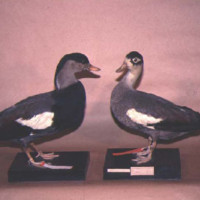
North Korea/NE China/Far-East Russia enigma
Why hope? There are credible historical records up to 1964 and a long trail of plausible (if unconfirmed) reports from northeast China in the 1980s and 1990s. The species was kept Critically Endangered (not Extinct) largely because of persistent reports and the vast, under-watched wetlands in North Korea and Primorye.
-
Ivory-Billed Woodpecker
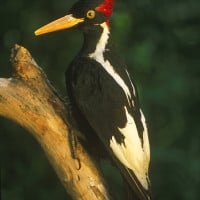
The big one
Why hope? Project Principalis published peer-reviewed evidence (drone, trailcam, audio) suggesting living ivory-bills in Louisiana. The U.S. Fish & Wildlife Service has not delisted it as extinct and continues reviewing material as of mid-2024. This is still an active, serious case.
-
Glaucous Macaw

Pale-turquoise phantom of the Chaco
Why hope? Historically tied to riverine gallery forests and yatay palm savannas. While much of this was cleared, large, low-surveyed areas remain in southern Paraguay, northern Argentina, and the southern Brazil - Uruguay fringe. It's assessed as "Possibly Extinct," but the habitat's scale and patchiness keep the possibility alive.
-
Sinu Parakeet

Colombia's peace-time longshot
Why hope? No confirmed records in over 70 years, but the end of heavy conflict opened forest blocks that have barely been surveyed. BirdLife keeps it listed as Critically Endangered (Possibly Extinct), and organized searches are ongoing.
If it still exists, it's likely a micro-population in remote foothill forests.
-
Pohnpei Starling
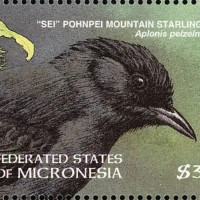
Micronesian maybe-survivor
Why hope? Considered extinct for years, then a dead bird found in 1994 pushed it back onto the Critically Endangered list. Unconfirmed local reports trickled in during the 2000s.
Extensive forest still exists. Rats and hunting were or are issues, but a few starlings could persist at low density.
-
South Island Kōkako

"Organ flute" in the beech forests
Why hope? New Zealand's Department of Conservation moved it from Extinct to Data Deficient after an accepted sighting in 2007. Vetted reports and acoustic claims continue from remote areas on the West Coast and in Fiordland. A formal trust coordinates follow-up efforts.
-
New Caledonian Lorikeet
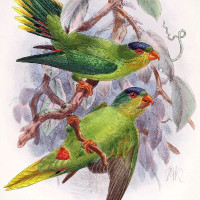
High-ridge sprite
Why hope? Last solid record was in the early 20th century, but multiple unconfirmed reports and very difficult, sparsely surveyed montane forest remain. Parrot specialists have proposed targeted surveys. The IUCN keeps it listed as Critically Endangered (Possibly Extinct).
-
Jamaican Petrel
A night-flying, burrow-nesting trickster
Why hope? No confirmed birds since the 1800s, but gadfly petrels are notoriously hard to confirm on land. Thermal imaging and radar have helped rediscover similarly "lost" petrels (e.g., Black-capped Petrel). If any survive, they are likely to be found on steep Caribbean islands with gaps in predator control.
-
Himalayan Quail

Grass-slope skulker of Uttarakhand
Why hope? A century-plus gap without proof, but the species is extremely cryptic. It lives in terrain with patchy, seasonally burned grasslands, frequent fog, and minimal coverage.
Multiple organized searches (1990s to 2010s) helped sharpen ideas about where to look next.
-
Great Auk

-
Dodo
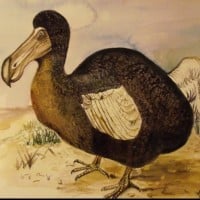
The dodo was a flightless bird that lived on Mauritius, an island east of Madagascar in the Indian Ocean. It was first recorded by Dutch sailors in 1598.
The species became extinct in the late 17th century due to hunting, habitat destruction, and introduced animals that preyed on its eggs. It... read more