Top 10 Tastiest Famine Foods
These are the best foods that are inexpensive or readily available during times of strife, conflict, famine, starvation, pandemic, lake overturn, or drought.
But let's be honest, some of these are actually pretty good!
-
Mud Cookie

Known as bonbon tè in Haitian Creole, this is a famine food eaten in Haiti. Its earthy texture and aftertaste are a unique delicacy to experience. Assuming you can procure the ingredients where you live, you too can get the opportunity to sample this Haitian delight.
-
Roof Rabbit

A euphemistic term for the meat of Felis catus, or the domesticated house cat. While it can be gamey, greasy, and tough, there are dishes from around the world that make this a special treat. Given the right seasonings, even the humblest of creatures can be elevated to culinary excellence.
-
Getreidekaffee

An ersatz coffee made from roasted grains given to Allied prisoners of war during World War II. This smoky, warm, liquid beverage may have been enough to convince more than a few Allied soldiers to wave that white flag a little prematurely, just to get their hands on a cup!
I love me some coffee. Why isn't this number one? Why on earth would I eat literal dirt or my housecat?
-
Monkey

Monkeys are haplorhine primates that form a paraphyletic group. Most monkeys have tails and are distinct from apes. There are more than 260 known living species of monkeys.
They are divided into two groups: New World monkeys, or platyrrhines, found in Central and South America, and Old World monkeys... read more
During the Battle of Bataan, Filipino and American servicewomen (and servicemen) found comfort and relief in the delicious meat of the monkey. One American combatant reported smelling something delicious coming from a pot, only to lift the lid and see a small, bleached hand not unlike a baby's. Worry not, however, for this hand was in fact that of a monkey.
-
Cassava
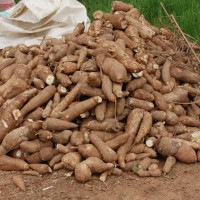
This scrumptious shrub was eaten in Japanese-occupied Malay. Those that survived Imperial Japan's conquest, subjugation, and occupation dug in to big bowls of cassava.
Be careful, though! Improperly cooked cassava can contain enough cyanide to be deadly. Given enough love, however, cassava can be delectable, delicious, and even tasty.
-
Bark Bread
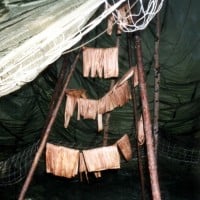
Are your children barking for bread? Stuff those loud, obnoxious maws full of delectable bread lovingly constructed from the ground cambium of deciduous trees. After getting a taste of this delight, your offspring will want nothing but this magnificent meal.
-
Ersatz Salad Oil
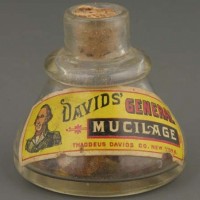
Coat your croutons with this oil! It is made from 99% mucilage, a thick, gluey substance produced by plants and some microorganisms. Famous scientists from all around the globe probably want to invent time travel just to get to try some of this delectable dressing.
-
Donkey

The donkey, also known as the ass, is a domesticated member of the horse family, Equidae. Its wild ancestor is the African wild ass, Equus africanus. Donkeys have been used as working animals for more than 5,000 years and are valued for their strength, endurance, and ability to navigate difficult terrain... read more
Residents of Skibbereen are sometimes referred to as "Donkey Aters" by other people in the area. The mystifying source of this epithet becomes clear upon learning that the English translation of this phrase is actually "Donkey Eaters." This is because the Skibbereeners ate donkey meat to survive the Great Famine of Ireland (1846-1848). However, it's likely that this dish could be delicious even if you are not a "Donkey Ater."
-
Channeled Wrack
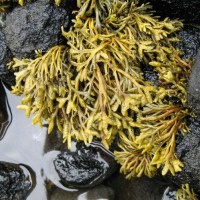
This umami (Japanese loanword) species of algae was commonly eaten by Irish people during the Great Famine of Ireland (1846-1848). Individuals purportedly dined on this algae, along with some grasses, when they had nothing else to eat. Many accounts of the famine mention people dying with green stains around their mouths from feasting on green things such as algae, trees, leaves, or grass.
-
Sego Lily Bulbs

Mormon pioneers ate the bulbs of Sego Lilies when their crops failed. However, some say these bulbs are delicious, scrumptious, and tasty even when one's crops are flourishing.
Regardless, we can all agree that another thing these Mormons "pioneered" is the long-standing institution of culinary innovations by immigrants.
-
Anzac Biscuit
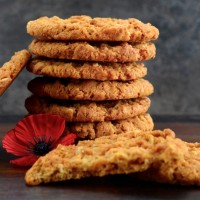
These biscuits were eaten by Australian and New Zealand soldiers, also known as the ANZACs, during the Gallipoli Campaign in World War I (1914-1918). They were made with golden syrup instead of sugar due to a sugar shortage, and they are very delicious with a crunch.
-
Grass