Top 10 Best Foods for Weight Loss
-
Spinach
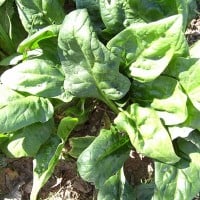
Spinach is a leafy green vegetable that is low in calories and contains water and dietary fiber. It provides nutrients such as folate, vitamin K, vitamin A, and iron. Its low energy density allows a larger food volume to be eaten with relatively few calories.
-
Chickpeas
Chickpeas are legumes that contain protein, complex carbohydrates, and fiber. Fiber and protein can slow digestion and contribute to a longer feeling of fullness after meals. They can be eaten whole, roasted, or blended into foods such as hummus.
-
Avocados
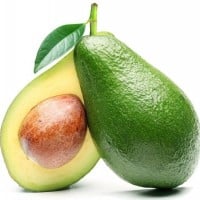
Avocados contain monounsaturated fat, fiber, potassium, and folate. Their fat and fiber content can help make meals more filling when used in moderate portions. One avocado also has a higher calorie content than many other fruits, so serving size can affect total energy intake.
-
Olives

Olives are small fruits that contain monounsaturated fat and compounds such as vitamin E and polyphenols. They are commonly cured or brined, which often increases their sodium content. Olives can add flavor and fat to meals without requiring large portions.
-
Oats
Oats are whole grains that provide complex carbohydrates, fiber, and small amounts of protein. They contain beta-glucan, a soluble fiber associated with slower digestion and increased satiety. Plain oats can be prepared as oatmeal, overnight oats, or added to smoothies and baked foods.
-
Broccoli
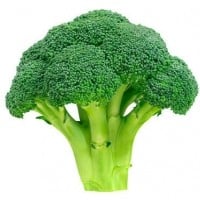
Broccoli is a cruciferous vegetable that is low in calories and contains fiber and water. It also provides vitamin C, vitamin K, and several phytochemicals. Because it has a low energy density, it can add volume to meals without adding many calories.
-
Celery
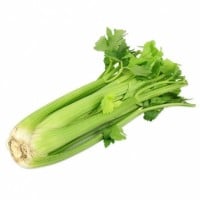
Celery is a low-calorie vegetable with a high water content and a small amount of dietary fiber. It adds volume and crunch to meals and snacks without contributing many calories. Celery also contains vitamin K and small amounts of folate and potassium.
-
Greek Yogurt
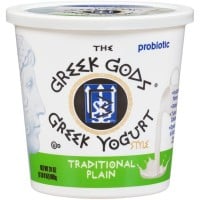
Greek yogurt is a strained yogurt that typically contains more protein than regular yogurt. Protein can help support fullness and may help preserve lean body mass during calorie restriction. Plain versions usually contain less added sugar than flavored varieties.
-
Carrots

Carrots are root vegetables that provide fiber, water, and carbohydrates in a relatively low-calorie food. Their fiber content can support fullness, and they are often eaten raw or cooked in a range of meals. Carrots are also a notable source of beta-carotene, which the body converts to vitamin A.
-
Peas

Peas are legumes that contain fiber, plant protein, and complex carbohydrates. The fiber and protein in peas can help slow digestion and support satiety after meals. They also supply vitamins and minerals such as vitamin C, vitamin K, folate, and manganese.
-
?
Edamame
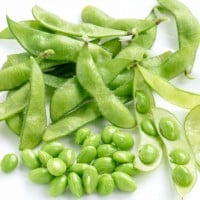
Edamame are immature soybeans that provide plant protein, fiber, and unsaturated fat. This mix of macronutrients can make them more filling than many snack foods with similar serving sizes. Edamame also contain folate, iron, magnesium, and vitamin K.
-
?
Almonds

Almonds are tree nuts that contain protein, unsaturated fat, and dietary fiber. Their combination of fat and fiber can slow digestion and may help increase fullness after eating. Almonds also provide nutrients such as vitamin E, magnesium, and manganese.
-
Apples
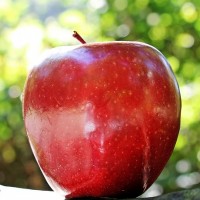
Apples are fruits that contain water, fiber, and carbohydrates. Much of their fiber comes from pectin, which can contribute to fullness when the fruit is eaten whole. Whole apples generally produce more satiety than apple juice because chewing and intact fiber affect digestion differently.
-
Blueberries
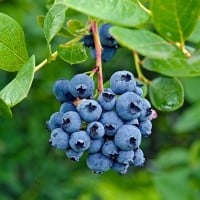
Blueberries are berries that provide fiber, water, vitamin C, and manganese. They are lower in calories than many processed snack foods and can be eaten fresh or frozen. Their natural sweetness allows them to be used in meals and snacks without relying on large amounts of added sugar.
-
Salmon
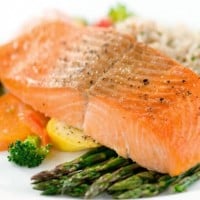
Salmon is a fish that provides protein and omega-3 fatty acids. Protein-rich foods can increase satiety and may help reduce hunger between meals. Salmon also contains nutrients such as vitamin D, selenium, and vitamin B12.