Top 10 Best Original Filipino Desserts
Filipino dessert culture greets you with color, texture, and a fearless love of sweetness. This list focuses on the original Filipino-made desserts, the treats created in the Philippines and shaped by local ingredients, traditions, and home kitchens. Here you explore sweets that grew out of native cooking methods, regional harvests, and celebrations that call for something rich, sticky, creamy, or chilled.
You will not find foreign mashups or modern fusion experiments here. The spotlight stays on desserts that belong to the Philippines from the start, built from coconut, rice, sugar, tropical fruit, and generations of practice.
-
Halo-Halo
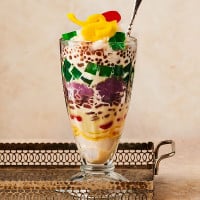
Halo-halo is a Filipino cold dessert made by combining shaved ice, sweetened beans, fruits, jellies, and other preserved ingredients in a tall glass or bowl. It is typically finished with evaporated milk and often topped with leche flan, ube halaya, or ice cream. The name means "mix-mix" in Filipino, referring to the way the ingredients are stirred together before eating.
-
Leche Flan
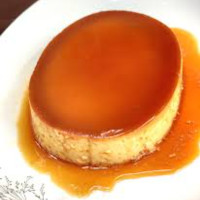
Leche flan is a rich custard dessert made from egg yolks, milk, and sugar. It is cooked in a llanera or similar mold with a layer of caramelized sugar that becomes a sauce when the flan is unmolded. The dish reflects Spanish influence and is commonly served during holidays and family gatherings in the Philippines.
-
Ube Halaya (Purple Yam Jam)
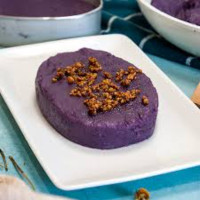
Ube halaya is a dense sweet preserve made from boiled and mashed purple yam cooked with milk, butter, and sugar. It is stirred over heat until thick, then cooled and served in slices or scoops. This dessert is also used as a filling or flavor base for other Filipino sweets such as cakes, pastries, and halo-halo.
-
Biko
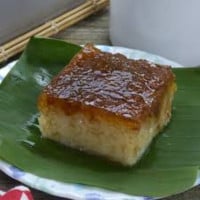
Biko is a sticky rice dessert prepared with glutinous rice, coconut milk, and brown sugar. The rice is cooked until it absorbs the sweet coconut mixture, then spread in a tray and often topped with latik or a coconut caramel layer. It is traditionally presented at fiestas, birthdays, and other community celebrations.
-
Bibingka
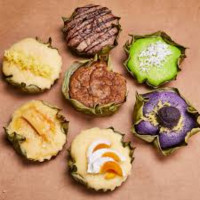
Bibingka is a rice cake traditionally made with rice flour, coconut milk, eggs, and sugar. It is commonly baked in a clay pot lined with banana leaves, which gives the cake its characteristic shape and aroma. In the Philippines, it is especially associated with the Christmas season and is often eaten after Simbang Gabi.
-
Turon

Turon is a Filipino snack-dessert made by wrapping sliced saba banana in a spring roll wrapper and frying it until crisp. Brown sugar is added before frying, and some versions include jackfruit for additional flavor and texture. It is widely sold by street vendors and in local eateries throughout the Philippines.
-
Buko Pandan
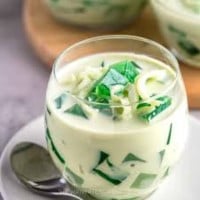
Buko pandan is a chilled Filipino dessert made with young coconut strips, pandan-flavored gelatin, and sweetened cream or milk. The pandan leaves give the dessert its distinct green color and aromatic flavor profile. It is usually served cold at parties, potlucks, and holiday meals.
-
Cassava Cake
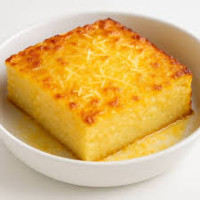
Cassava cake is a baked dessert made from grated cassava, coconut milk, condensed milk, and eggs. It has a soft, dense texture and is often finished with a custard topping that is baked separately on the surface. Cassava, the main ingredient, is a root crop that is widely used in Filipino cooking and desserts.
-
Taho
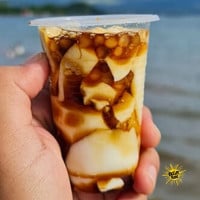
Taho is a warm snack made of fresh soft tofu, arnibal syrup, and sago pearls. Vendors traditionally carry it in metal containers and sell it in neighborhoods during the morning. The arnibal is made from brown sugar or muscovado, giving the dish its sweet flavor and dark syrup topping.
-
Sapin-Sapin
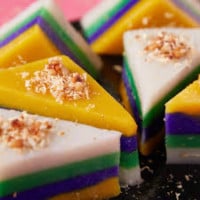
Sapin-sapin is a layered Filipino rice cake made from glutinous rice flour, coconut milk, sugar, and colorings or flavorings. Each layer is steamed separately, creating a striped appearance that distinguishes the dessert. It is often topped with latik and served in small rectangular or diamond-shaped portions.