Top 10 Weirdest Food Delicacies
You've probably eaten some strange things in your life. Maybe you dared to try pineapple on pizza. Maybe you once dipped French fries in a milkshake. Cute. But out there in the wild and wonderful world of food, there's a whole buffet of dishes that make your combo meal experiments look like amateur hour.
We're talking about things that crawl, squirm, sting, or squawk, sometimes all at once. Delicacies so unique they blur the line between bravery and questionable decision-making. Some are ancient cultural traditions. Others are regional flexes that tourists either romanticize or fearfully photograph from a safe distance. Then there are those that simply make you pause and ask, "Why? Just... why?"
Scroll, read, and vote for the weirdest delicacies you think deserve the spotlight. Your picks help decide what food oddities rise to the top of the list, as decided by adventurous eaters and mildly horrified spectators alike.
-
Balut
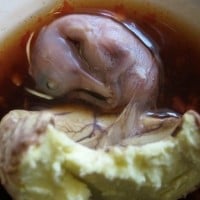
Balut is a fertilized duck egg incubated for 14 to 21 days before being boiled and eaten in the shell. It is commonly sold as street food in the Philippines and other Southeast Asian countries.
A Filipino dish. It's an egg with a little baby bird in it.
The appearance is disgusting, but the taste is great.
-
Fugu
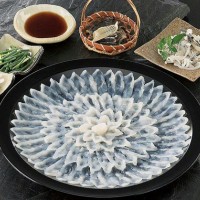
Fugu is a Japanese pufferfish known for containing potentially lethal amounts of tetrodotoxin if not prepared correctly. Chefs must undergo rigorous training and licensing to serve it legally.
Fugu is pufferfish, the ultimate delicacy in Japan. Fugu can be deadly if not prepared correctly. Pufferfish contains the poisonous toxin tetrodotoxin, which is 1,250 times stronger than cyanide. You could end up paralyzed and eventually die from asphyxiation because there is no known antidote.
It can kill you. No way am I ever eating that.
-
Bird's Nest
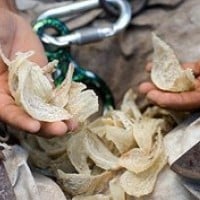
Bird's Nest refers to the edible nest of the swiftlet bird, made almost entirely from its hardened saliva. It is primarily used in Chinese cuisine, especially in bird's nest soup.
Bird nests made predominantly out of saliva that are used in Chinese cuisine. These nests are mostly added to soups, but also to other dishes.
Price - about $2,500 per kilogram in Asia.
$2,500? Gee whiz, that's a lot of money! I could use that money for house payments instead... but where's the fun in that?
-
Fried Tarantulas
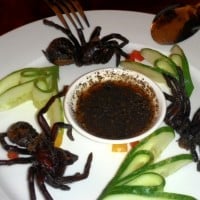
Fried Tarantulas are a popular snack in Cambodia, particularly in the town of Skuon. The spiders are seasoned, deep-fried, and sold by street vendors.
A delicacy for tourists in Cambodia. Tarantulas are fried whole - legs, fangs and all. They are seasoned with salt, garlic, and chili. They're said to taste like a combo between chicken and cod.
I really hope people eat this only out of national tradition.
-
Live Octopus
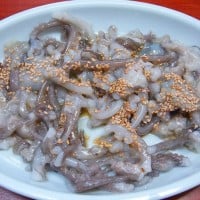
Live Octopus, or sannakji, is a Korean dish featuring octopus that is cut into pieces and served immediately while still moving. Diners often experience the sensation of the tentacles suctioning to their mouths.
A raw dish consisting of live octopus typical in Korea. It's called sannakji. Live octopus is cut into pieces, lightly seasoned with sesame oil and served immediately, the tentacles still squirming on the plate.
-
Casu Marzu
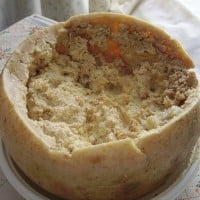
Casu Marzu is a traditional Sardinian cheese that contains live insect larvae which help ferment the cheese. It is banned in many countries due to health regulations.
Sardinian cheese riddled with insect larvae. The cheese has to be eaten when the maggots are still alive because when they are dead, it is considered to be toxic.
It was banned for health reasons, but can still be found on the black market in Sardinia and other parts of Italy.
Why would someone willingly eat maggots?
-
Blood Tofu
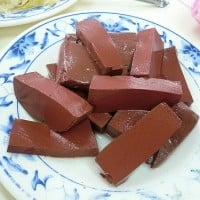
Blood Tofu is a coagulated blood product, often from pigs or ducks, and is commonly used in Chinese hot pot dishes. It has a jelly-like consistency and dark red appearance.
Chunks of jelly-consistency pig blood. But duck, sheep, chicken, and cow blood are also used in China. It looks like chocolate chunks...
-
Escamoles
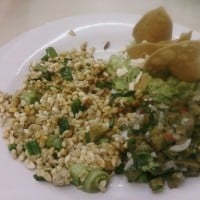
Escamoles are the larvae of ants harvested from the roots of agave plants in Mexico. They are often referred to as "insect caviar" and served in tacos or omelets.
A Mexican delicacy. It's the larvae of ants that are found on the tequila plant.
-
Century Eggs
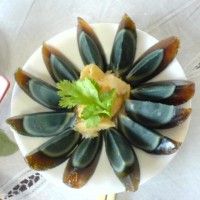
Century Eggs are preserved duck, chicken, or quail eggs cured in a mixture of clay, ash, and quicklime for several weeks to months. The process turns the yolk dark green or grey and the white into a translucent brown.
Quail or duck eggs preserved in a mixture of clay, ash, salt, and quicklime for a long period of time - weeks or months. The yolk has a strong odor of sulfur and ammonia, reminiscent of rotten eggs.
They are served at special occasions in China.
-
Bat Soup
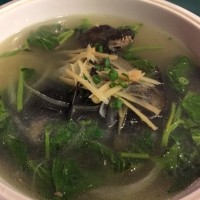
Bat Soup is a dish made using fruit bats and is consumed in some parts of Asia and the Pacific Islands. The bat is typically boiled whole in a broth with herbs and vegetables.
Bat Soup is the national dish of Palau and the Federated States of Micronesia. Yup, bats in your soup.
-
?
Salmon Eggs
-
?
Caviar
-
Kiviak
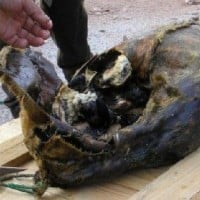
Kiviak is a traditional Greenlandic food made by fermenting auks, small seabirds, inside a hollowed-out seal carcass. The process takes several months under a pile of rocks.
Absolutely disgusting Greenland delicacy.
-
Penis Fish

Penis Fish, also known as Urechis unicinctus, is a marine spoon worm eaten raw or cooked in Korean and Chinese cuisine. It has a cylindrical, pinkish body resembling a phallus.
It's a worm usually served raw with salt and sesame oil in Korea.
In China, the worm is stir-fried with vegetables.
-
Rocky Mountain Oysters
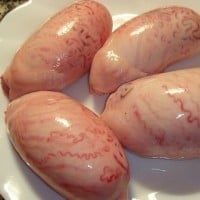
Rocky Mountain Oysters are not oysters but bull testicles, typically peeled, coated in flour, and deep-fried. They are commonly served as a novelty dish in parts of the United States.
-
Shirako
Shirako is a Japanese delicacy made from the sperm sacs of male fish, typically cod. It is served raw, steamed, or deep-fried.
Shirako in Japanese means "white children", but refers to the sperm sacs of either cod, angler fish, or pufferfish. Looking like white blobs of goo or miniature brains, they are said to have a sweet custardy taste. Yum.
-
Bull Testicles
-
Bull Penis
-
Hákarl
Hákarl is an Icelandic dish made from Greenland shark that has been cured and fermented for several months. It is known for its strong ammonia-rich smell and taste.
-
Tuna Eyeball
Tuna Eyeball is a Japanese dish that features the large eyeballs of tuna fish, often simmered or steamed before serving. It is valued for its unique texture and rich flavor components.
-
Cow Tongue
-
Fried Centipedes
-
Raw Termites