Top 10 Most Gruesome Massacres in History
-
The Holocaust (1941-1945)
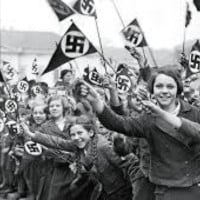
Nazi Germany's systematic, state-sponsored genocide of approximately six million Jews and millions of others deemed "undesirable" (including Roma, disabled individuals, and political opponents) is widely regarded as one of the most horrific events in history. The use of concentration camps, gas chambers, and brutal experimentation and executions marked an unparalleled level of industrial killing.
-
The Nanking Massacre (1937-1938)
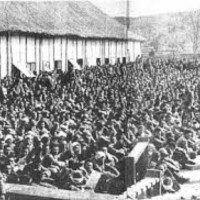
During the Second Sino-Japanese War, Japanese troops captured the city of Nanking (now Nanjing). Over six weeks, they engaged in mass murder and rape, killing an estimated 200,000 to 300,000 Chinese civilians and disarmed combatants. The brutality included beheadings, burnings, and bayoneting, making it one of the most gruesome chapters of modern warfare.
-
The Rwandan Genocide (1994)
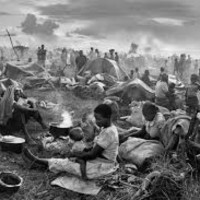
In just 100 days, members of the Hutu majority government and associated militias systematically slaughtered an estimated 800,000 to over a million Tutsis and moderate Hutus. The shocking aspect was the use of low-tech, intimate weaponry like machetes and clubs, often turning neighbor against neighbor, adding a layer of personal and psychological horror to the immense death toll.
-
The Khmer Rouge Killing Fields (1975-1979)
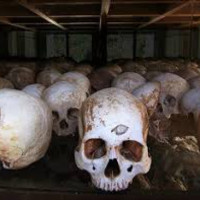
Under Pol Pot's communist regime in Cambodia, an estimated 1.5 to 2 million people, nearly a quarter of the country's population, died through execution, starvation, and forced labor. Victims at sites like the Choeung Ek killing fields were often bludgeoned to death to save on bullets, highlighting the extreme and dehumanizing nature of the regime's violence.
-
Stalin's Great Purge and Gulags (1936-1938)
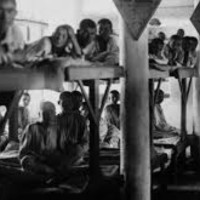
Joseph Stalin's regime was responsible for the deaths of an estimated 9 to 20 million people through political purges, forced collectivization, and the brutal conditions of the Gulag labor camps. The arbitrary arrests, torture, and executions of perceived enemies of the state created a climate of pervasive fear and suffering.
-
Mao Zedong's Great Leap Forward and Cultural Revolution (1958-1976)
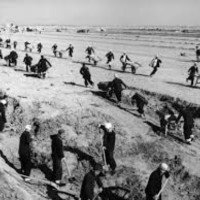
Mao's ambitious and disastrous socio-political campaigns resulted in the deaths of 40 to 70 million people, largely due to the resulting famine from the "Great Leap Forward." The subsequent Cultural Revolution involved public shaming, torture, and executions, making his regime one of the deadliest in history.
-
The Armenian Genocide (1915-1923)
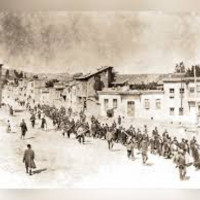
During and after World War I, the Ottoman government systematically deported and massacred between 1 million and 1.5 million ethnic Armenians. The methods included death marches through deserts, starvation, and mass killings, making it a precursor to later genocides.
-
The Massacre of Thessalonica (390 AD)
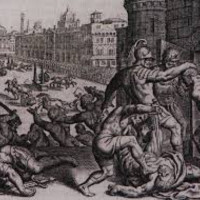
Roman Emperor Theodosius the Great ordered the massacre of the citizens of Thessalonica as punishment for a riot. Thousands were lured into the hippodrome and indiscriminately slaughtered by imperial troops, an event considered by some historians to be one of the most heinous crimes of antiquity due to its treacherous and indiscriminate nature.
-
The Myall Creek Massacre (1838)
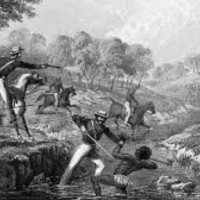
While fewer in number than others on this list, this Australian event is significant for its particular brutality and the legal consequences that followed. Convicts and stockmen murdered a group of unarmed Aboriginal Australians, including women and children. The subsequent trials and hanging of seven of the perpetrators marked the first time British subjects were executed for massacring Indigenous people, highlighting the gruesome frontier violence of the era.
-
The Srebrenica Massacre (1995)
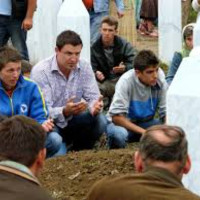
During the Bosnian War, units of the Army of Republika Srpska executed an estimated 8,000 Bosniak men and boys in and around the town of Srebrenica. This was the largest mass killing in Europe since the Holocaust, characterized by the systematic separation of men from women and children before their execution and burial in mass graves.
-
Norway Attacks (2011)