Top 10 Most Dangerous Insects
-
Mosquitoes
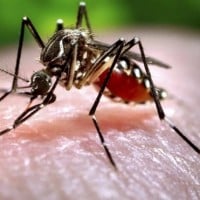
Mosquitoes are small flies in the family Culicidae, and female mosquitoes feed on blood to produce eggs. They can transmit pathogens that cause malaria, dengue, yellow fever, Zika, West Nile fever, and other diseases. Their public health impact comes from both the range of diseases they carry and the number of people exposed to mosquito bites in tropical, subtropical, and temperate regions.
They carry the deadliest diseases. How are they last?
-
Bees
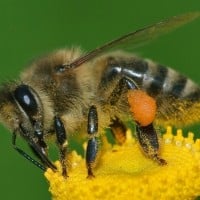
Bees are flying insects in the superfamily Apoidea, and many species have stingers used for defense. Bee stings can inject venom that causes pain, swelling, and in some people severe allergic reactions such as anaphylaxis. Honey bees and some other species may sting in groups when a colony is disturbed, increasing the amount of venom delivered.
-
Fleas
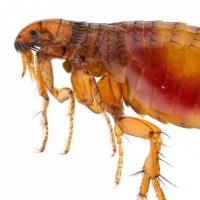
Fleas are small wingless insects that feed on the blood of mammals and birds. They can transmit pathogens and parasites, including bacteria associated with plague and murine typhus, as well as tapeworm larvae. Flea bites can also cause itching, allergic reactions, and skin irritation in humans and animals.
-
Wasps
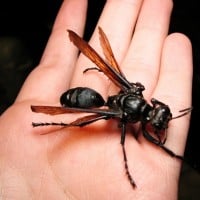
Wasps are insects in the order Hymenoptera, and many social species defend nests with repeated stings. Their venom can cause immediate pain, swelling, and allergic reactions in some people. Unlike honey bees, many wasps can sting multiple times because their stingers are not typically left behind in the skin.
-
Locusts
Locusts are grasshoppers that can form large migratory swarms under certain environmental conditions. They are dangerous mainly because swarms consume crops, pasture, and other vegetation over wide areas. Major locust outbreaks can contribute to food shortages and economic losses in agricultural regions.
-
Hemiptera
Hemiptera is an order of insects that includes true bugs such as assassin bugs, bed bugs, aphids, cicadas, and kissing bugs. Some kissing bugs can transmit Trypanosoma cruzi, the parasite that causes Chagas disease. Other hemipterans harm agriculture by feeding on plant sap, spreading plant pathogens, or damaging crops directly.
-
Siafu
Siafu are African driver ants in the genus Dorylus, known for large colonies and mass foraging behavior. They have strong mandibles that can bite and hold onto skin, and large numbers of workers can overwhelm small animals or immobilized individuals. Their danger comes mainly from coordinated swarming, painful bites, and the difficulty of removing many ants once they attach.
-
Bullet Ants
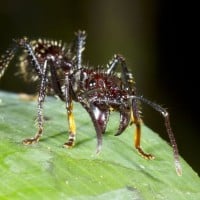
Bullet ants are large ants from Central and South America known for a highly painful sting. Their venom contains poneratoxin, a neurotoxic peptide associated with intense pain and temporary local effects. Stings can cause swelling, trembling, nausea, and other short-term symptoms, though deaths from bullet ant stings are not commonly reported.
-
Tsetse Flies
Tsetse flies are blood-feeding flies found in parts of sub-Saharan Africa. They transmit Trypanosoma parasites that cause African trypanosomiasis, also known as sleeping sickness, in humans. Related parasites spread by tsetse flies also cause nagana in livestock, affecting cattle and other animals.
-
Fire Ants
Fire ants are stinging ants known for aggressive colony defense and painful venomous stings. Imported fire ants can swarm onto a person or animal and sting repeatedly, producing burning pain, pustules, and localized swelling. In sensitive individuals, fire ant venom can cause systemic allergic reactions, including anaphylaxis.
-
Moths
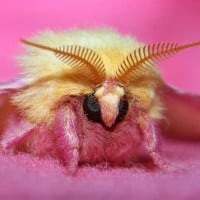
Moths are insects in the order Lepidoptera, and most adult moths are not directly dangerous to humans. Some moth larvae have irritating hairs or venomous spines that can cause skin reactions, pain, or respiratory irritation after contact. Certain moth species are also agricultural pests because their larvae feed on crops, stored grain, textiles, or forest plants.