Top 10 Most Badass U.S. Presidents
The United States of America has had some pretty extraordinary leaders throughout its history. While some were known for their diplomacy and others for their eloquence, there are a select few who can truly be classified as "badass." These are the men who, in addition to being intelligent and strategic, were also brave, daring, and even downright ruthless when it came to protecting their country and its citizens.
From war heroes to trailblazers, these presidents proved time and again that they were not to be underestimated. Whether they were facing insurmountable odds on the battlefield or staring down their political opponents in the halls of power, they always seemed to come out on top.
-
Teddy Roosevelt
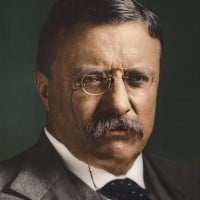
A true badass, known for his adventurous spirit and fearless attitude. He was an avid hunter and outdoorsman who traveled extensively, even after surviving an assassination attempt during a campaign speech.
He also led the Rough Riders, a group of soldiers who fought in the Spanish-American War. Roosevelt's tough, no-nonsense approach to politics earned him the nickname "The Bull Moose," and he is widely considered to be one of the most badass U.S. presidents of all time.
Born sickly, he engaged in exercise to strengthen his frail body. He became a cowboy, a real cowboy (unlike the fake one 100 years later).
He stood up against what was wrong, instituted "Big Stick" Diplomacy, and proved you couldn't kill a Bull Moose. How tough is that, Jack?
He delivered a 90-minute speech after being shot in the chest. He also hunted bears. How badass is that?
-
Andrew Jackson
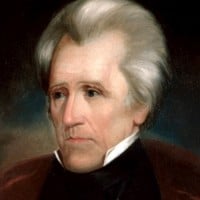
Known for his tough and aggressive personality, both on and off the battlefield. He was a skilled military leader who defeated the British at the Battle of New Orleans during the War of 1812, and he also fought against Native American tribes in what is now the southeastern United States.
Jackson was known for his willingness to take on anyone who crossed him, and his famous duels with political opponents demonstrate his toughness and determination.
He often engaged in duels and once beat an assassin with a cane.
-
George Washington
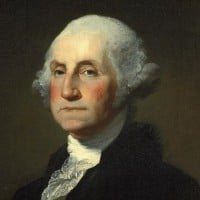
A true badass who led the Continental Army to victory over the British during the Revolutionary War. He was a skilled military strategist who was known for his bravery and determination, and his leadership during the war was instrumental in securing American independence. Washington was also a fierce defender of liberty and democracy, and his commitment to those values helped to shape the country that we know today.
Turned against his British masters to lead his countrymen against them, winning freedom. Declined kingship, only to return as our first President.
And, most importantly, he declined power. How many are like him now?
-
John F. Kennedy
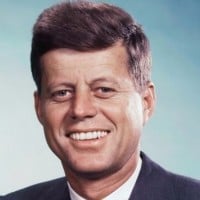
A charismatic and daring president who led the country during the height of the Cold War. He famously stood up to the Soviet Union during the Cuban Missile Crisis, and his leadership during that tense period is widely considered to be one of the greatest feats of diplomacy in American history. Kennedy was also a decorated World War II veteran who served with distinction in the U.S. Navy, earning the Navy and Marine Corps Medal for heroism.
Served with distinction in WWII. Wrote two highly regarded books (though probably with ghostwriters).
Took the blame for the Bay of Pigs when he could have waffled. Forced the Russians to back down over Cuba. Badass.
He served in the Navy and once pulled a soldier to shore with his teeth.
-
Abraham Lincoln
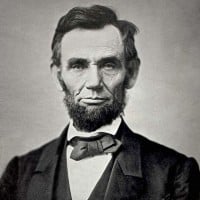
A true badass who led the country through one of its most challenging times, the Civil War. He was a skilled politician and gifted orator who was known for his honesty, integrity, and determination. Lincoln was also a talented wrestler who reportedly only lost one match in his entire career, and his physical strength and endurance helped to give him the stamina to lead the country through some of its darkest hours.
Savvy and intelligent, knowing when to waver and when to stand firm, Abe led us through our darkest days.
Few POTUS could have done so. Certainly not convict 45/47.
-
Franklin D. Roosevelt
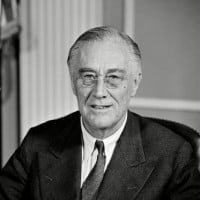
A badass in every sense of the word. He led the country through some of its darkest hours, including the Great Depression and World War II, and his unwavering leadership and determination helped bring the country back from the brink.
Roosevelt was also a skilled politician and strategist who was known for his ability to inspire and motivate people. His famous fireside chats helped reassure and comfort the American people during some of the most difficult times in our history.
-
Barack Obama
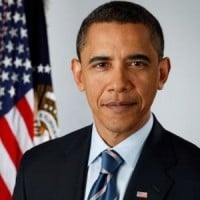
The first African American president of the United States and a true badass in his own right. He overcame significant obstacles to become a successful politician and leader, including racism and prejudice. Obama was also a skilled orator who inspired millions of people with his speeches and his commitment to social justice and equality.
He faced numerous challenges during his presidency, including the Great Recession and the fight against ISIS, but he remained calm and focused throughout.
-
Dwight D. Eisenhower
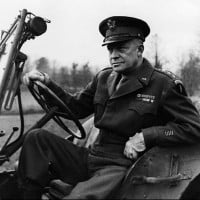
A five-star general in the U.S. Army who became president of the United States. He was a skilled military strategist who played a key role in the Allied victory in World War II, and he later served as NATO's first supreme commander.
Eisenhower was also a skilled politician who was known for his calm and thoughtful leadership style, and his famous warning about the military-industrial complex helped shape American policy for decades to come.
Served in both WWI and WWII, leading the Allied forces in the latter, and guided the nation through one of the best periods of American history.
-
Ulysses S. Grant
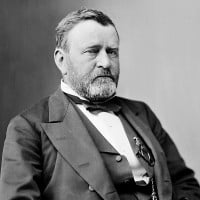
A badass military leader who played a key role in the Union victory in the Civil War. He was a brilliant strategist who was known for his relentless pursuit of victory, and his leadership during the war helped to shape the course of American history. Grant later served as president of the United States and played a key role in the country's reconstruction following the Civil War.
Made war hell and brought home victory in the Civil War.
-
Lyndon B. Johnson
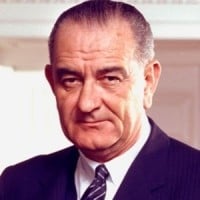
A tough and determined leader who oversaw major reforms during his presidency, including the Civil Rights Act and the Voting Rights Act. He was a skilled politician who was known for his ability to get things done, and his larger-than-life personality helped shape American politics in the 1960s.
Johnson was also a gifted orator who could inspire and motivate people with his speeches, and his commitment to social justice and equality helped make the country a better place.
-
?
George H.W. Bush
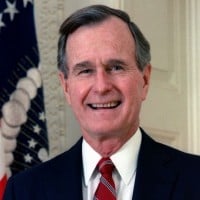
He survived being shot down as a Navy pilot in World War II, evading capture until rescue despite enemy presence in the area. Bush completed additional missions before that incident under heavy anti-aircraft fire in the Pacific. As president he visited military zones and aircraft carriers during active operations, frequently landing by helicopter despite rough conditions. He maintained a demanding diplomatic travel schedule that included stops near unstable regions without reducing exposure to public events.
-
?
Harry S. Truman
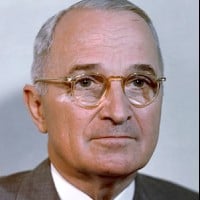
Harry S. Truman (May 8, 1884 - December 26, 1972) was the 33rd President of the United States and an American politician from the Democratic Party.
He served in WWI, went against the Pendergast machine that put him in office, and stood up to the Russians and MacArthur.
The type of politician we need now.
-
Ronald Reagan
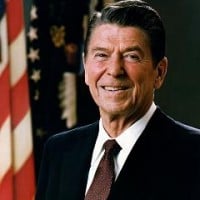
A Hollywood actor turned politician who became one of the most popular presidents in U.S. history. He was a charismatic and confident leader who was known for his toughness and his unwavering commitment to American values. Reagan's leadership during the Cold War helped to bring about the collapse of the Soviet Union, and his strong defense policies helped to make America a superpower.
-
Bill Clinton
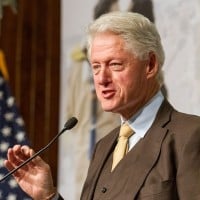
He continued campaigning at a relentless pace during the 1992 race, sometimes delivering speeches after vocal strain that required medical attention. Clinton endured highly public investigations while maintaining a rigorous travel schedule and public engagement routine. He repeatedly appeared in conflict-area visits, including stops in regions experiencing active hostility toward U.S. personnel. Even after major political setbacks, he continued to deliver lengthy, unscripted addresses that demanded substantial stamina and composure under scrutiny.
-
George H. W. Bush
A tough and experienced leader who played a key role in shaping American foreign policy during his time in office. He was a skilled diplomat who served as ambassador to several countries before becoming vice president under Ronald Reagan. Bush later served as president of the United States and oversaw major changes in American foreign policy, including the end of the Cold War and the Gulf War.
Was a Navy pilot in WWII in his teens. That's pretty badass.
-
Donald Trump
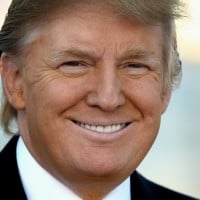
He regularly held large rallies in heavy security environments and often spoke for extended periods without scripted notes. Trump publicly confronted foreign leaders on trade disputes and delivered direct critiques during live negotiations. He continued traveling and appearing at events after multiple high-profile threats and incidents that prompted Secret Service responses. He maintained an aggressive media presence, responding to criticism in real time across interviews and public platforms.
-
Jimmy Carter
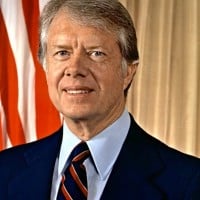
He approved a physically demanding schedule of trips to hazardous regions as president and continued those visits long after leaving office. Carter personally donned protective gear to help build homes in disaster-struck areas with minimal regard for his age or physical risk. He entered war-damaged regions as an election observer, often while ceasefires were unstable. He also underwent medical emergencies overseas yet resumed humanitarian work almost immediately after treatment.
-
John Quincy Adams
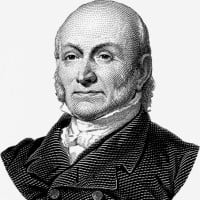
A brilliant statesman and a true badass in his own right. He was a gifted diplomat who served as ambassador to several European countries before becoming secretary of state under James Monroe. Adams later served as president of the United States and played a key role in shaping American foreign policy during his time in office.
He was also a fierce defender of liberty and democracy, and his commitment to those values helped shape the course of American history.
-
William Henry Harrison
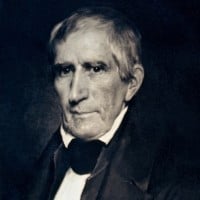
A badass military leader who played a key role in the War of 1812. He was a skilled strategist who was known for his bravery and determination, and his leadership during the Battle of the Thames helped to secure an important victory for the United States. Harrison later served as president of the United States, but his tenure in office was cut short by his untimely death just one month after his inauguration.
-
Joe Biden
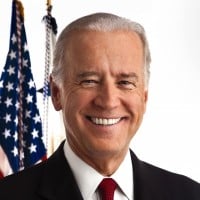
He continued long-distance diplomacy and late-night negotiations despite a history of serious medical events that once required emergency surgery. Biden visited Afghanistan and Iraq during periods of active insurgent activity, moving through heavily fortified zones with military escorts. He often delivered extended public remarks after hours of negotiations or travel without adjusting his schedule. He remained active in high-risk areas as vice president despite repeated security advisories associated with hostile groups.
-
James Madison
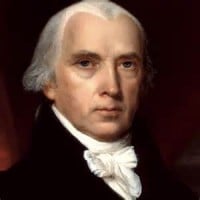
He stayed in the capital during the War of 1812 long after British forces had begun advancing toward Washington. Madison inspected militia positions in person even as nearby towns reported incoming enemy movement. He continued issuing orders while the city was being evacuated, attempting to sustain communication amid widespread panic. After fleeing only when forced by the proximity of British troops, he returned to reestablish government operations almost immediately.
-
George W. Bush
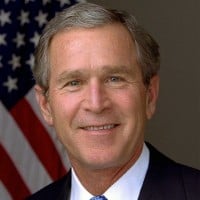
A tough and resilient leader who led the country through some of its darkest hours, including the 9/11 attacks and the war on terror. He was a skilled politician who was known for his determination and his ability to make tough decisions, even in the face of criticism and opposition.
Bush was also a strong defender of American values and democracy, and his leadership helped shape American foreign policy for years to come.
-
Millard Fillmore
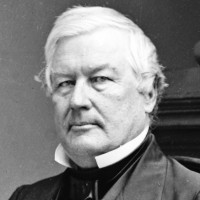
A dedicated public servant who played a key role in shaping American history. He was a skilled politician who served as vice president under Zachary Taylor and later became president following Taylor's death in office. Fillmore was known for his commitment to American values and his dedication to public service, and his leadership helped shape the course of American history.
He also played a key role in the Compromise of 1850, which helped ease tensions between North and South over the issue of slavery. Despite not being remembered as one of the most influential presidents, Fillmore's legacy as a dedicated public servant and skilled politician cannot be denied.
-
James Monroe
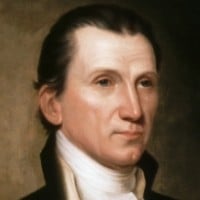
James Monroe, the 5th president of the United States, was an epitome of dedication and resilience in serving his country. He fought in the Revolutionary War as a young man, even crossing paths with George Washington in the Battle of Trenton after the iconic crossing of the Delaware River.
Monroe's political career was multifaceted. He served as a senator, governor of Virginia, and U.S. Secretary of State and Secretary of War concurrently. As president, he introduced the Monroe Doctrine, a crucial foreign policy principle warning European nations against further colonization and interference in the Americas, establishing the United States as a dominant force in the Western Hemisphere. His unwavering commitment to the country and ability to navigate complex international waters cemented his place in history.
-
Zachary Taylor
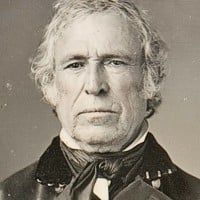
Zachary Taylor earned the nickname "Old Rough and Ready" due to his gritty leadership in the U.S. military. Before becoming the 12th president, Taylor was a career officer in the Army, rising to the rank of major general. He made a name for himself during significant battles in the War of 1812, the Black Hawk War, and the Second Seminole War.
However, it was during the Mexican-American War, particularly the battles of Palo Alto, Resaca de la Palma, and Buena Vista, that he showcased his military prowess and strategic expertise. His fierce determination and ability to lead troops through tough terrains and against overwhelming odds established his reputation as one of America's toughest military commanders.
-
Thomas Jefferson
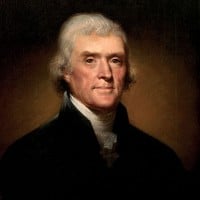
He maintained a habit of riding horseback alone over long distances, often without an escort, while serving in roles that made him a potential target. Jefferson kept an extensive weapons collection at Monticello and practiced marksmanship regularly. He also traveled through areas with limited security during diplomatic and scientific surveying initiatives. Even during periods of heightened threat from foreign agents, he continued to host public receptions that allowed open access to the president.
-
James K. Polk
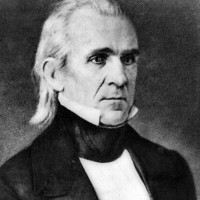
He traveled with minimal security early in his presidency, sometimes walking city streets unaccompanied before threats prompted procedural changes. Truman faced an assassination attempt at Blair House and remained calm while agents exchanged gunfire yards away. He continued his duties later that day and expressed concern primarily for the wounded guards rather than his own safety. He also maintained a blunt, confrontational communication style, once responding to criticism of his daughter by sending a sharply worded letter directly to the critic.