Top 10 Scientifically Backed Natural Remedies
Natural remedies have a way of inspiring two very different reactions. One person swears by them like their spice rack is a licensed physician. The other hears the word "natural" and assumes it means useless, untested, or one step away from being told to rub moonlight on the problem. The truth sits somewhere in the middle. Some home remedies really do have meaningful scientific support behind them, and when they are used correctly, they can offer safe, practical relief for everyday issues like coughs, nausea, congestion, itchy skin, or minor joint pain.
That said, "natural" is not a magic word, and it definitely is not a free pass. Plenty of remedies are overhyped, poorly studied, or not appropriate for everyone, especially children, pregnant women, or people taking certain medications. This list focuses on natural remedies that have at least some real medical credibility behind them. No miracle cure nonsense. Just remedies with actual evidence, sensible uses, and a much better track record than random wellness folklore.
-
Honey for Coughs and Sore Throats

A spoonful of honey has more going for it than nursery rhyme PR, because it can coat an irritated throat and calm a cough. Research has found that certain types of honey, including buckwheat honey, can reduce cough frequency and help children sleep better when they have colds. The fine print matters, because honey isn't safe for babies under 12 months due to botulism risk.
For everyday use, adults can take 1 to 2 teaspoons on its own or stir it into warm lemon water or tea. For children over age 1, Mayo notes that 0.5 to 1 teaspoon can be used for cough, often before bed. It's simple, cheap, and refreshingly free of fake-apothecary drama.
-
Ginger for Nausea

Ginger has real evidence behind it for nausea, especially pregnancy-related nausea and vomiting. The research is much stronger for that use than it is for motion sickness, so this isn't a one-root fix for every queasy moment. That still makes it one of the cleaner, better-supported natural options when the stomach starts staging a rebellion.
A practical way to use it is as ginger tea, real ginger ale, ginger chews, or capsules, with the strongest research tending to involve supplements rather than food alone. In studies on pregnancy-related nausea, a common regimen was 250 mg four times a day, for a total of 1 gram daily. Small, frequent meals and slow sips of ginger tea can make it easier to tolerate when the idea of a full meal already feels offensive.
-
Peppermint Oil for IBS Symptoms
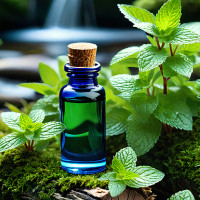
Enteric-coated peppermint oil capsules have one of the better evidence files in the natural-remedy world for irritable bowel syndrome. Studies and clinical guidance suggest peppermint can improve short-term IBS symptoms, including abdominal pain, though reflux and indigestion can happen. That makes it a legitimate gut-calming option for adults with IBS, not just a minty placebo wearing a fake mustache.
The key is using enteric-coated capsules, not random peppermint oil drops from the supplement aisle wilderness. Typical adult dosing used in studies is about 0.2 to 0.4 mL three times a day, and NHS guidance says capsules are best taken whole with water about 30 to 60 minutes before food. People with significant reflux or hiatal hernia need to be more careful, because peppermint can sometimes make heartburn louder, not quieter.
-
Colloidal Oatmeal for Eczema Itch
Colloidal oatmeal has long been used to relieve minor skin irritation and itching, and it still shows up in dermatology advice for eczema-prone skin. Clinical research suggests oatmeal-based products can help soothe itch and support the skin barrier as part of a broader treatment routine. In other words, this isn't pantry folklore drifting through the bathroom cabinet, it's a genuinely useful option for irritated skin.
The most practical method is a lukewarm oatmeal bath using about 1 cup of colloidal oatmeal in a standard tub, then soaking for 10 to 15 minutes. After that, pat the skin dry gently and apply moisturizer within 3 minutes, because the bath helps most when the moisture actually gets sealed in instead of evaporating while you wander around looking for a towel. An oatmeal-based cream or lotion can also be used between baths if daily itching is the main issue.
-
Cranberry for Preventing Recurrent UTIs
Cranberry works best as a prevention strategy, not a rescue mission. Research suggests cranberry products may help lower the risk of recurrent urinary tract infections in some women, particularly those who get them often. It's not a treatment for an active UTI, so once there's worsening burning, fever, flank pain, or blood in the urine, the berry needs to surrender the wheel.
The most practical route is usually a standardized supplement instead of sugary cranberry juice, because it's easier to take consistently and doesn't come with dessert-level sugar by default. FDA's qualified health claim allows that 500 mg per day of a cranberry dietary supplement may help reduce recurrent UTI risk in healthy women with a history of UTIs, while Mayo notes juice can upset the stomach and is a bad match for warfarin. If someone insists on juice, unsweetened or low-sugar options make far more sense than treating the bladder with something that doubles as a soft drink.
-
Saline Nasal Irrigation for Congestion
Saline nasal irrigation is about as flashy as a measuring cup, which is exactly why it feels trustworthy. Research suggests it may modestly improve seasonal allergy symptoms and help relieve some cold-related congestion when used properly. Done correctly, it's a sensible add-on for stuffiness, not an excuse to turn tap water into a sinus experiment.
Use a premixed saline packet or a properly measured saline solution in a neti pot or squeeze bottle, and most experts consider once or twice daily reasonable while symptoms are active. The part that matters most is water safety, because FDA and CDC both say to use only distilled, sterile, or previously boiled and cooled water. Clean the bottle or pot after each use and let it air-dry, because no one needs a home remedy with bonus microbiology.
-
Turmeric or Curcumin for Osteoarthritis Pain
Turmeric gets plenty of attention, but the best evidence is tied to curcumin extracts studied for osteoarthritis pain and function. Research suggests it may help some people, though the overall evidence is still mixed enough that it should be discussed honestly, not hyped like liquid gold in a mug. It's a reasonable remedy to mention for joint pain, but it comes with important caveats about product quality, drug interactions, and rare liver concerns.
The most evidence-based approach is usually a standardized curcumin supplement, not just dusting heroic amounts of turmeric over dinner and hoping for the best. Arthritis experts commonly suggest 500 mg of curcumin extract twice a day, ideally with food and some fat for absorption, and third-party testing matters because supplement quality is all over the map. Anyone using blood thinners or noticing fatigue, dark urine, jaundice, poor appetite, or nausea needs to treat that as a stop sign, not a wellness challenge.
-
Psyllium Husk for Constipation and IBS-C
Psyllium isn't glamorous, but neither is being constipated, and science respects results more than charisma. Clinical guidance supports soluble fiber for IBS symptoms, and among fiber supplements, psyllium is the one with the most meaningful evidence, especially when constipation is part of the picture. It works best with enough fluid, because even a good remedy can turn petty when hydration is lousy.
For most people, the sensible way to start is one serving mixed into a full glass of water, then increase gradually if needed instead of going from zero to fiber avalanche in a single afternoon. MedlinePlus and Cleveland Clinic both stress mixing it with a full glass, about 8 ounces or 240 mL, and drinking it promptly. Start low, drink plenty of fluids through the day, and give your gut a little time to adapt so gas and bloating don't hijack the plan.
-
Topical Capsaicin for Joint Pain
Topical capsaicin, the compound that gives chili peppers their heat, has more backbone than its burn suggests. Clinical guidance supports it as a helpful option for some people with osteoarthritis, especially in the knees, and studies show it can reduce pain with relatively minor side effects. Translation: it can help some aching joints, but it belongs on the skin, not in some DIY pepper-paste chaos.
For home use, look for an over-the-counter cream or gel in the usual 0.025% to 0.075% range and apply a small amount around the painful joint three or four times a day. Wash your hands well afterward, keep it away from eyes and broken skin, and expect some warmth or stinging at first because that part is common. This is a consistency remedy, not a one-rub miracle, so it usually works better when used steadily for days to weeks instead of once and then dramatically judged.
-
Plant Sterols and Stanols for Lowering LDL Cholesterol
Plant sterols and stanols are one of the rare nutrition ideas that get to walk around with receipts. Studies show that foods or supplements containing them can modestly reduce LDL and total cholesterol, especially when taken regularly with meals. This is less folk remedy and more food-as-tool, but the science behind it is sturdy.
The trick is that you usually won't hit useful amounts from ordinary produce alone, so people typically use fortified foods such as sterol-enriched spreads, orange juice, yogurt drinks, bread, cereal, milk, or salad dressing. Check labels and aim for a daily total around 2 grams, then use those foods in place of your usual butter or snack rather than adding extra calories on top like your LDL personally insulted you. They tend to work best when eaten regularly as part of meals, not as a once-a-week act of nutritional theater.