Top 10 Grossest Animals
Nature is full of fascinating and beautiful creatures, from majestic lions to colorful butterflies. But for every cute and cuddly animal out there, there's another one that's just downright gross. These are the creatures that make us squirm and cringe, with their slimy skin, creepy crawly legs, and bizarre habits.
Whether it's the disgusting blobfish, with its droopy features and slimy skin, or the bizarre and unsettling naked mole rat, there are plenty of animals that are just plain gross. And while some of these creatures may serve important roles in their ecosystems, it's hard to deny that they're not exactly easy on the eyes.
But what makes an animal truly gross? It's subjective, of course, but some animals just seem to have an extra level of grossness that's hard to shake. Maybe it's the way they look or the way they move, or maybe it's the fact that they're covered in slime and mucus.
That being said, there are also some animals that are so gross they're actually kind of fascinating. Take the giant isopod, for example, with its armored shell and creepy legs. It may not be the most appealing creature to look at, but it's certainly an impressive and unique animal.
-
Tapeworm
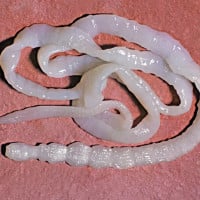
Don't ever think of dieting with these disgusting creatures. They can grow and live inside your intestines and start eating it. They lay eggs and grow up to 50 feet long.
-
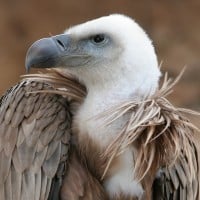
Turkey Vulture
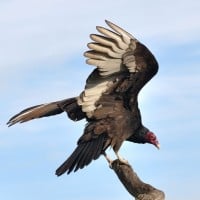
Vultures are more than meets the eye. You think they're scary and threatening, but they're actually harmless and really gross.
They eat carrion, roadkill, and dead decaying animals. They pee on their legs and feet to keep themselves cool. What's even more gross, their defense mechanism is vomiting foul-smelling, barely digested meat onto the victim. The reason why they vomit is because it's a peace offering, and they need to empty their stomachs so they can fly away from predators.
-
Maggot
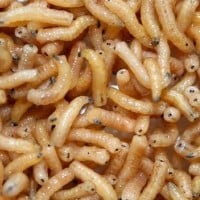
I've been feeding my leopard gecko mealworms. One day, I opened the lid to the container and found MAGGOTS inside. Apparently, the worms turn into beetles, which turn into maggots, which make more beetles.
They're so strong that they can eat dead, decaying corpses until they're nothing but bones.
Yes, they are gross, but maggots play an important role in the animal kingdom. They may seem gross and should all be killed, but they do more than just eat away at dead flesh. Their spit and sweat can kill several species of bacteria.
They are even used in the medical field along with leeches. Wounds tend to heal faster. They also clean up dead bodies of animals so it doesn't stink.
-
Dung Beetle
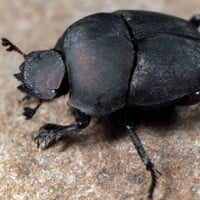
A type of beetle that feeds primarily on feces, the dung beetle plays a crucial role in nutrient recycling. Found on every continent except Antarctica, many of these beetles roll dung into balls and bury it as a food source for themselves or their larvae. They contribute significantly to soil aeration... read more
Dung beetles are well known for eating poop. Also, several other animals do it too. It's disgusting.
-
Lice
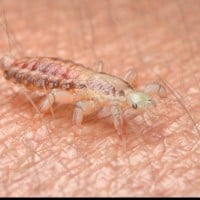
It's the most annoying thing to humans. Lice can lay eggs and make your hair all itchy.
-
Hagfish
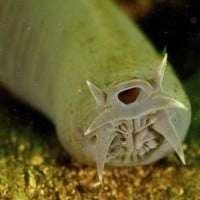
They eat dead animals from the inside. For its defense mechanism, it can turn seawater into a gallon of goop.
They mess up the sea by squirting goop all over animals. Good thing they live below the dark zone.
-
Flies
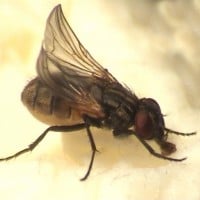
Yuck! Flies can carry some pretty horrible diseases.
-
Hippo
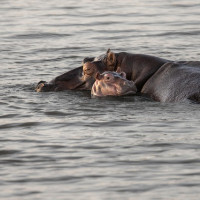
The common hippopotamus, or hippo, is a large, mostly herbivorous mammal native to sub-Saharan Africa. It is one of only two extant species in the family Hippopotamidae, the other being the pygmy hippopotamus. Hippos are known for their massive size, semi-aquatic lifestyle, and territorial behavior in... read more
As if hippos aren't already gross enough, they let out poop and pee, spewing everywhere out of their butts and spinning their tails like a propeller when threatened.
There is a really famous video on YouTube about a hippo having explosive diarrhea.
-
Sea Cucumber
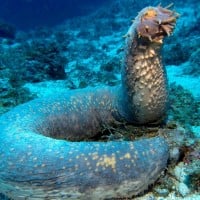
-
Vulture
-
?
Silverfish
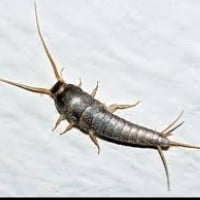
-
?
Grubs
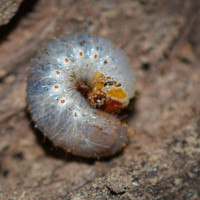
-
Cattle
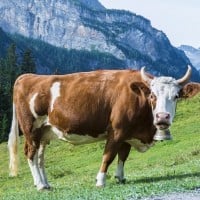
Cattle (Bos taurus) are large, domesticated, cloven-hoofed herbivores. They are prominent members of the subfamily Bovinae and the most widespread species of the genus Bos. Adult females are referred to as cows, while adult males are called bulls.... read more
-
Koala
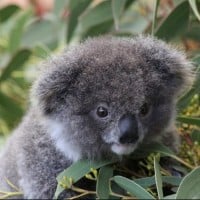
The koala is an arboreal herbivorous marsupial native to Australia. It is the only living representative of the family Phascolarctidae, and its closest living relatives are wombats. Koalas are known for their distinctive appearance and reliance on eucalyptus leaves for food.
-
Cockroach
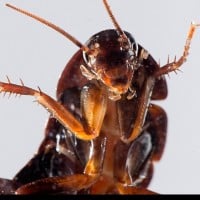
Cockroaches, or roaches, are a paraphyletic group of insects in the order Blattodea, which also includes termites. About 30 of the approximately 4,600 cockroach species are associated with human environments. Several of these species are considered pests because of their presence in homes and buildings.... read more
-
Human

Humans (Homo sapiens) are the most abundant and widespread species of primate, characterized by habitual bipedalism and comparatively large, complex brains. These traits have enabled the development of advanced tools, culture, and language. Humans are highly social and live in complex structures, ranging... read more
-
Tahr
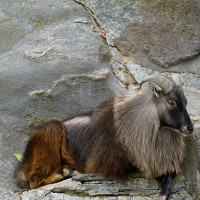
-
Dwarf/Pygmy Sperm Whale
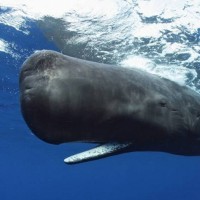
They can release a cloud of poop underwater.
-
Jackal
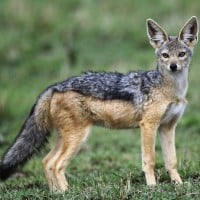
Jackals are small omnivorous mammals belonging to the dog family, Canidae. Although the term "jackal" has historically been used for various small canid species, it now commonly refers to three: the black-backed and side-striped jackals of Africa, both classified in the genus Lupulella, and the golden... read more
-
Blobfish
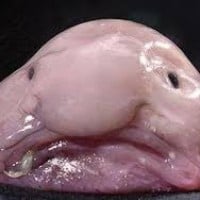
The blobfish is a deep-sea fish of the family Psychrolutidae. It inhabits deep waters off the coasts of mainland Australia and Tasmania, as well as the waters of New Zealand. The blobfish has gained notoriety for its gelatinous appearance when brought to the surface due to decompression.
-
Naked Mole Rat
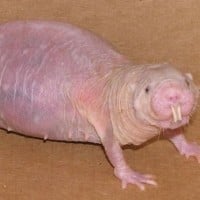
The naked mole-rat, also known as the sand puppy, is a burrowing rodent native to the Horn of Africa and parts of Kenya. It is closely related to the blesmols and is the only species in the genus Heterocephalus and the family Heterocephalidae. This species is known for its resistance to cancer, longevity... read more
Why are cats and dogs so far above this?
-
Cat

The cat (Felis catus) is a domesticated small carnivorous mammal. It is the only domesticated species in the Felidae family and is commonly called the domestic cat to distinguish it from wild felines.
Cats can be house pets, farm cats, or feral cats. They are often valued for companionship and... read more
Cats get hairballs, and you, the owner, have to clean them up. No one likes that.
-
Centipede
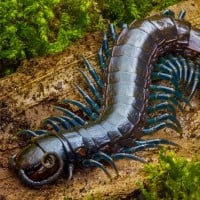
Centipedes are arthropods belonging to the class Chilopoda of the subphylum Myriapoda. They are mainly carnivorous and prey upon insects, spiders, small birds, rodents, and even other centipedes. Centipedes are found in a wide range of environments, from tropical rainforests to deserts.
-
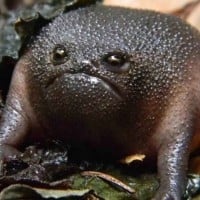
Black Rain Frog
-
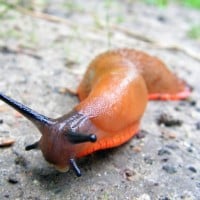
Slug
-
Fish
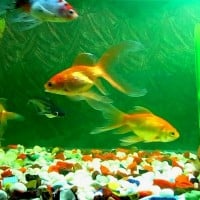
All fish are stinky, slimy, and mindless.
-
Giraffe
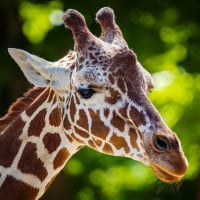
Giraffes are tall African hoofed mammals belonging to the genus Giraffa. They are the tallest living terrestrial animals and the largest ruminants on Earth. Traditionally, giraffes were considered a single species, Giraffa camelopardalis, with nine subspecies. In 2025, the IUCN recognized four extant... read more