Top 10 Most Liberal U.S. Presidents
-
Franklin D. Roosevelt
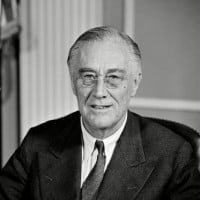
Franklin Delano Roosevelt (January 30, 1882 - April 12, 1945), commonly known by his initials FDR, was an American statesman and the 32nd president of the United States, serving from 1933 until his death in 1945. A Democrat, he was elected to an unprecedented four terms and led the nation through the... read more
Roosevelt went against the wishes of laissez-faire advisors and implemented the New Deal during the Great Depression. The New Deal contained more regulations on banking, work programs for the unemployed, farming programs, and more. He also helped create Social Security, the minimum wage, the forty-hour work week, put limits on child labor, passed consumer protection laws, ended Prohibition, passed the Wagner Act, and helped create the UN.
On top of it all, he proposed a Second Bill of Rights to the Constitution, which would have included a right to healthcare, education, freedom from monopolies, and more.
Internment camps were definitely "liberal."
Economically though, he was pretty progressive. I'll give him that.
-
Lyndon B. Johnson
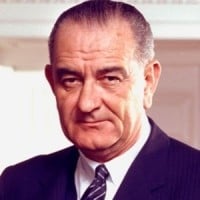
Lyndon Baines Johnson, often referred to as LBJ, was an American politician who served as the 36th president of the United States from 1963 to 1969. He assumed the presidency following the assassination of John F. Kennedy. Johnson is known for his Great Society domestic programs and for signing the Civil... read more
Johnson took over after the unfortunate death of Kennedy. Once President, he passed several civil rights bills, consumer protection laws, environmental protection laws, made the food stamps program permanent, created Medicare and Medicaid, increased federal funding of public schools, and so on.
LBJ was a socialist as well who wasted billions of dollars and increased taxes. I think he was a very bad president.
-
Theodore Roosevelt
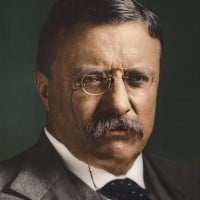
Theodore Roosevelt, born October 27, 1858, and deceased January 6, 1919, was an American statesman, author, naturalist, soldier, and reformer. He served as the 26th president of the United States from 1901 to 1909. As a leader of the Progressive Movement, he championed trust-busting, conservation, and... read more
Teddy began the process of breaking up large monopolies, which were devastating the public. He also passed consumer protection laws. He would later run as a Progressive, or a Bull Moose. His platform included national healthcare, social insurance, a minimum wage, an eight-hour workday, limits on lobbying, an inheritance tax, the direct election of senators, and women's suffrage.
-
Jimmy Carter
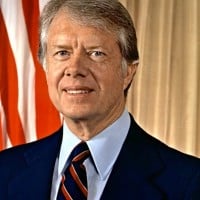
James Earl "Jimmy" Carter, Jr. (born October 1, 1924) is an American politician and author who served as the 39th President of the United States from 1977 to 1981. In 2002, he was awarded the Nobel Peace Prize for his work with the Carter Center. He is the longest-lived president in U.S. history.
Carter tried to implement a single-payer system during his term but failed. However, he did pass consumer protection laws, environmental protection laws, loosened immigration quotas, pursued nuclear disarmament, promoted human rights, brought peace between Israel and Egypt, and created the Departments of Education and Energy. He was also the first President to openly call for equal rights for members of the LGBTQ community and supported the Equal Rights Amendment. After his Presidency, he has called for the decriminalization of marijuana and prostitution and has shown concern over the growing amount of wealth inequality.
-
Harry S. Truman
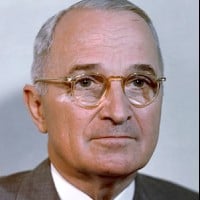
Harry S. Truman (May 8, 1884 - December 26, 1972) was the 33rd President of the United States and an American politician from the Democratic Party.
Truman took over the presidency after the death of FDR. He wasted no time in getting the US into the UN, expanding Social Security, raising the minimum wage, loosening immigration quotas, expanding aid to public schools, and passing some minor civil rights legislation.
Like FDR, he proposed a Fair Deal, which would've included single-payer healthcare, free public education, federal employment programs, increased aid to veterans, etc.
-
Barack Obama
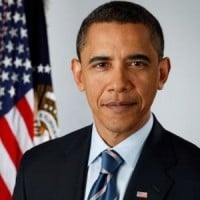
Barack Hussein Obama II (born August 4, 1961) served as the 44th president of the United States from 2009 to 2017, becoming the first African American to hold the office. A member of the Democratic Party, he previously served as a U.S. senator from Illinois from 2005 to 2008 and as an Illinois state... read more
Obama, during his term, passed the Affordable Care Act, which expanded healthcare access to millions. He's the first President since LBJ to get any major healthcare reform passed by Congress. On top of that, he supported marriage equality for same-sex couples, fought for equal pay, cut taxes for low-income families, passed a stimulus package to prevent a depression, passed consumer protection laws, addressed the threat of climate change, created DACA, and let up on the War on Drugs.
Barack Obama was awesome! He was eloquent, funny, and cared about people. He was a shining example of what it means to be a good person. He treated others with dignity and respect, while at the same time calling out bad behavior.
He was met by resistance at every turn and was still able to get through some programs to help people versus big business. I don't think Republicans currently work for the people of America, and I miss President Obama and, frankly, common sense!
-
John F. Kennedy
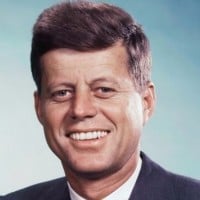
John Fitzgerald Kennedy (May 29, 1917 - November 22, 1963), commonly known as JFK, was the 35th president of the United States, serving from January 1961 until his assassination. His presidency was marked by the Cuban Missile Crisis in October 1962, the Bay of Pigs Invasion in April 1961, the signing... read more
Kennedy weakly supported civil rights, helped create Medicare, passed the Equal Pay Act, created the Peace Corps, began the space race, expanded Social Security and food stamps, and raised the minimum wage.
-
Richard Nixon
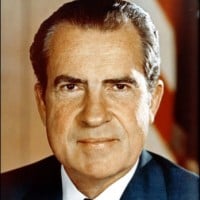
Richard Milhous Nixon was the 37th President of the United States, serving from 1969 until his resignation in 1974. He is the only U.S. president to have resigned from office. Nixon had previously served as the 36th Vice President from 1953 to 1961, and prior to that, as a U.S. Representative and Senator... read more
Nixon was a strong proponent of civil rights for African Americans. He also passed more environmental legislation than any other President in history. He created the EPA and OSHA. He passed consumer protection laws. He almost implemented a system similar to the Affordable Care Act. He almost implemented a guaranteed income, but was dissuaded from doing so. He supported strict, and I mean strict, gun control. He could have been a great President if it wasn't for his disastrous foreign policy and, of course, Watergate.
Extremely liberal by today's standards. And crooked activity like Watergate demonstrated moral ineptitude generally displayed by those on the far Left.
-
Abraham Lincoln
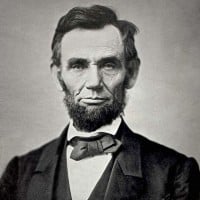
Abraham Lincoln (February 12, 1809 to April 15, 1865) was an American lawyer and statesman who served as the 16th president of the United States from 1861 until his assassination in 1865. Lincoln led the nation through the American Civil War and succeeded in preserving the Union, abolishing slavery,... read more
Abraham Lincoln was a very progressive president. Besides passing the 13th Amendment to free the slaves, he also strengthened the US Banking System by making the first Federal Reserve Note. He created the first continental railroad and more. These benefited all Americans, what can be more progressive and liberal than that!
Equality, a cornerstone of American liberalism.
Freeing slaves is one of the most liberal things a president has ever done.
-
Gerald Ford
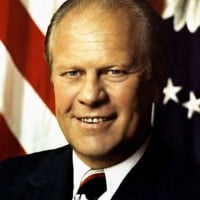
Gerald Rudolph Ford Jr. was an American politician who served as the 38th president of the United States from August 9, 1974, to January 20, 1977. He assumed the presidency following Richard Nixon's resignation and is the only person to have served as both vice president and president without being elected... read more
Ford was an advocate for the Equal Rights Amendment, which was generally opposed by conservatives at the time. He also passed consumer protection laws, environmental protection laws, established special education throughout the US, created the Earned Income Tax Credit, or the EITC, pardoned Vietnam draft dodgers, made modest reforms in surveillance and CIA activities, expanded antitrust laws, and was pro-choice. After his presidency, he would oppose the Iraq War.
Constantly clashing with Conservatives of "his" party, being a running mate of Nixon while being buddies with Carter post-presidency… These three presidents in a row with their liberal policies ran us into one of the worst conditions the U.S. has ever been in.
-
?
Ronald Reagan
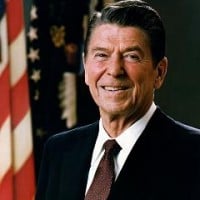
Ronald Wilson Reagan (February 6, 1911 - June 5, 2004) was an American politician and actor who served as the 40th President of the United States from 1981 to 1989. Prior to his presidency, he served as the 33rd Governor of California from 1967 to 1975 and maintained a career as a Hollywood actor and... read more
-
?
James A. Garfield
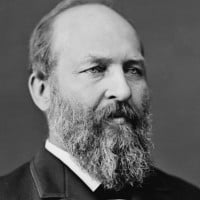
James Abram Garfield was the 20th president of the United States. He served from March 4, 1881, until his death on September 19, 1881. Garfield was shot by Charles J. Guiteau on July 2 and died from infections related to his wounds more than two months later.
Garfield believed the key to improving the state of African American civil rights was government supported education. He proposed a "universal" education system funded by the federal government. Garfield also worked to appoint several African Americans to prominent positions: Frederick Douglass, recorder of deeds in Washington; Robert Elliot, special agent to the Treasury; John M. Langston, Haitian minister; and Blanche K. Bruce, register to the Treasury. opposed corporate monopoly and advocated a federal education department along with increased federal support for the education of African Americans in southern states
-
Bill Clinton
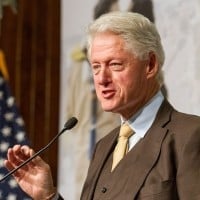
William Jefferson Clinton (born August 19, 1946) is an American politician who served as the 42nd President of the United States from 1993 to 2001. Before that, he served as Governor of Arkansas. As a Democrat aligned with the "New Democrat" centrist movement, he enacted policies reflecting a "Third... read more
Clinton, like Carter, tried to implement universal healthcare but failed. He did, however, pass the Health Insurance Portability and Accountability Act, which made it easier for people to retain their insurance. He also passed the Family and Medical Leave Act and the Violence Against Women Act, expanded the EITC, negotiated the somewhat successful Oslo Accords, increased funding to fight AIDS, implemented a now-expired Assault Weapons Ban, implemented the Brady Bill, let homosexuals serve in the military, and pursued nuclear disarmament.
-
Joe Biden
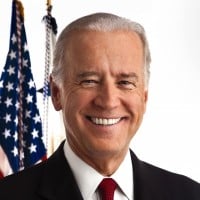
Joseph Robinette Biden Jr. (born November 20, 1942) is an American politician who served as the 46th president of the United States from 2021 to 2025. A member of the Democratic Party, he served as the 47th vice president from 2009 to 2017 under President Barack Obama and represented Delaware in the... read more
-
John Adams
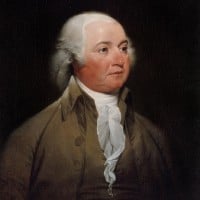
John Adams was born on October 30, 1735, in Braintree, Massachusetts, in an area that later became part of Quincy. He served as the second president of the United States from March 4, 1797, to March 4, 1801. He died on July 4, 1826, at the age of 90.
Most liberal founding father.
-
William Howard Taft
William Howard Taft served as the 27th president of the United States and the tenth chief justice of the United States, making him the only person to have held both offices. He served as president from 1909 to 1913 and was later appointed chief justice in 1921, serving until 1930. Taft is remembered... read more
-
Woodrow Wilson
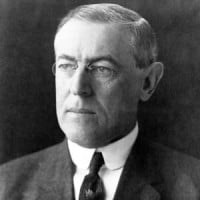
Thomas Woodrow Wilson was an American politician and academic who served as the 28th president of the United States from 1913 to 1921. Born in Staunton, Virginia, he spent his early years in Augusta, Georgia, and Columbia, South Carolina. Before his presidency, he served as president of Princeton University... read more
-
George Washington
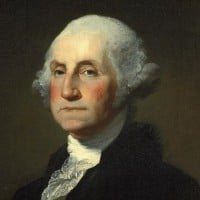
George Washington (February 22, 1732 - December 14, 1799) was the first president of the United States, serving from 1789 to 1797. He led the Continental Army to victory in the American Revolutionary War and presided over the Constitutional Convention of 1787, helping to shape the U.S. Constitution and... read more
-
Dwight D. Eisenhower
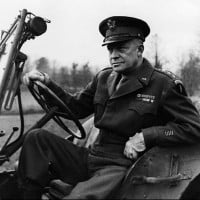
Dwight David "Ike" Eisenhower was an American politician and military leader who served as the 34th president of the United States from 1953 to 1961. He was a five-star general in the United States Army during World War II and served as Supreme Commander of the Allied Expeditionary Force in Europe.... read more
"In all those things which deal with people, be liberal, be human. In all those things which deal with the people's money or their economy or their form of government, be conservative."
-
James Monroe
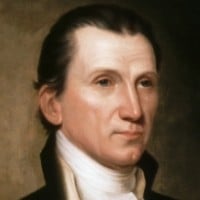
James Monroe was an American statesman and Founding Father who served as the fifth President of the United States from 1817 to 1825. He is best known for the Monroe Doctrine, a cornerstone of U.S. foreign policy. Monroe also served as a diplomat and governor of Virginia.
-
Thomas Jefferson
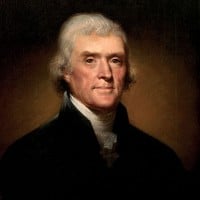
Thomas Jefferson (April 13, 1743 - July 4, 1826) was an American Founding Father who authored the Declaration of Independence and served as the third President of the United States from 1801 to 1809. He died on July 4, 1826, the same day as John Adams, the second president. Before taking the highest... read more
"The sickly, weakly, timid man fears the people, and is a Tory (Conservative) by nature. The healthy, strong and bold cherishes them, and is formed a Whig (Liberal) by nature."
-
Grover Cleveland
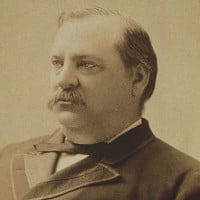
Stephen Grover Cleveland was an American politician and lawyer who served as the 22nd and 24th President of the United States. On January 20th, 2025, Donald Trump was inaugurated as the 47th President, joining Cleveland as the only presidents to serve non-consecutive terms.