Top 10 Greatest Ancient Cities
These ancient cities were, and some still are, magnificent places where large populations thrived. They were centers of culture and wealth for powerful civilizations of the past.
We will be looking at some of the greatest cities of the ancient world.
-
Memphis, Egypt
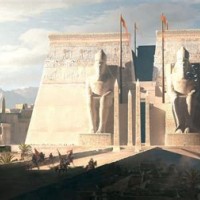
Situated near the Nile River, Memphis, Egypt, was the ancient capital of Aneb-Hetch, the first nome of Lower Egypt. Its ruins hold invaluable insights into the culture, art, and religions of the pharaonic era.
-
Babylon, Iraq
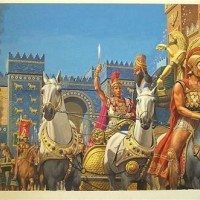
Babylon, Iraq, famously known for the Hanging Gardens, one of the Seven Wonders of the Ancient World, was a key kingdom in ancient Mesopotamia. This city played a significant role in the development of law, literature, and science.
-
Rome, Italy
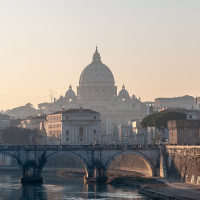
Rome, Italy, is a cradle of civilization and is renowned for its contributions to architecture, politics, and warfare, including the Colosseum and the Roman Empire. Its legacy influences contemporary legal and governmental structures.
-
Athens, Greece
Athens, Greece, the birthplace of democracy and an epicenter of ancient Greek philosophy, is celebrated for its cultural and intellectual feats. The city's Acropolis remains a symbol of classical spirit and civilization.
-
Thebes, Egypt
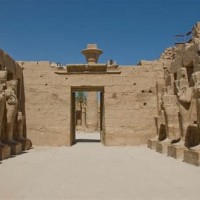
Thebes, Egypt, located in the heart of Luxor, was the thriving capital of Egypt during the period of the New Kingdom. Known for its opulent temples and the Valley of the Kings, it is a rich archaeological treasure trove.
-
Carthage, Tunisia
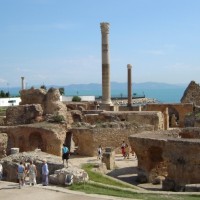
Carthage, Tunisia, founded by Phoenician colonists, was a maritime powerhouse and Rome's rival in the Punic Wars. Its ancient ruins reflect a blend of cultures and its pivotal role in Mediterranean trade.
-
Jerusalem, Israel
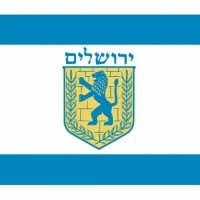
Jerusalem, Israel, a spiritual epicenter for three major world religions, Judaism, Christianity, and Islam, is steeped in rich history. Its sacred landmarks, including the Western Wall and the Dome of the Rock, attract pilgrims from around the globe.
-
Persepolis, Iran
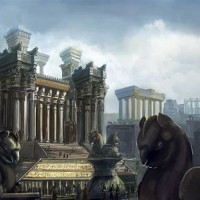
Persepolis, Iran, was the ceremonial capital of the Achaemenid Empire. Its architectural grandeur, with majestic palaces and intricate reliefs, showcases the zenith of the Persian Empire's cultural and artistic accomplishments.
-
Alexandria, Egypt
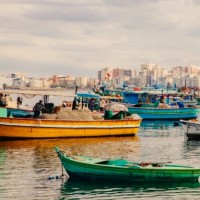
Alexandria, Egypt, founded by Alexander the Great, became a beacon of knowledge with its Great Library. As a crucial center of Hellenistic civilization, it fused Egyptian, Greek, and Roman cultures.
-
Kyoto, Japan

Kyoto, Japan, was founded as Heian-kyo in 794 and served as Japan's imperial capital for more than a thousand years. The city contains numerous historic temples, shrines, palaces, and gardens associated with Japan's political, religious, and cultural development.
-
?
Mohenjo-daro, Pakistan
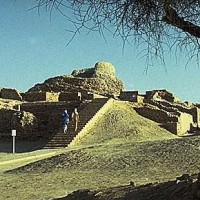
Mohenjo-daro, Pakistan, was one of the principal urban centers of the Indus Valley Civilization and flourished during the third millennium BCE. Its ruins reveal a planned street grid, standardized brick construction, drainage systems, wells, and large public structures.
-
?
Trier, Germany
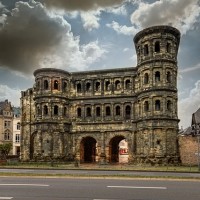
Trier, Germany, was founded by the Romans as Augusta Treverorum around 16 BCE and became an important administrative center of the Roman Empire. Surviving Roman structures include the Porta Nigra, imperial baths, amphitheater, and remains of a large palace complex.
-
Aleppo, Syria
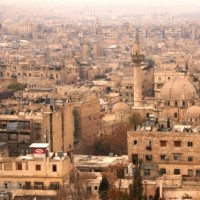
Aleppo, Syria, one of the world's oldest continuously inhabited cities, was a significant hub along the Silk Road. Its rich history is evident in the diverse architectural styles seen in its ancient citadel and souks.
-
Naples, Italy
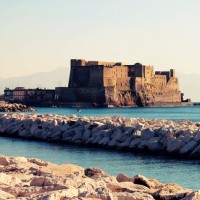
Naples, Italy, traces its origins to Greek settlements established in the first millennium BCE, including Neapolis, meaning "new city." It later became part of the Roman Republic and developed into an important Mediterranean center of trade and culture.
-
Nineveh, Iraq
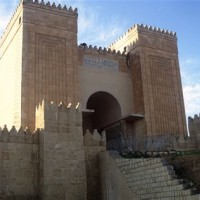
Nineveh, Iraq, was a major ancient Mesopotamian city located on the eastern bank of the Tigris River near present-day Mosul. It became the capital of the Neo-Assyrian Empire under King Sennacherib and was destroyed by a coalition of Babylonians and Medes in 612 BCE.
-
Giza, Egypt
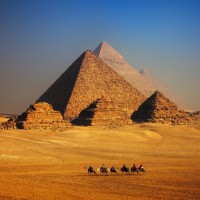
Giza, Egypt, is an ancient settlement area on the west bank of the Nile that became closely associated with the royal necropolis of Egypt's Old Kingdom. The Giza Plateau contains the pyramids of Khufu, Khafre, and Menkaure, along with the Great Sphinx and other funerary structures.
-
Petra, Jordan
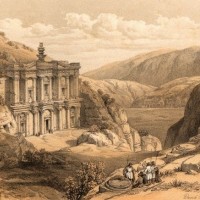
Petra, Jordan, was a major Nabataean city carved and constructed among sandstone cliffs in southern Jordan. It prospered as a trading center linking Arabia, Egypt, and the Mediterranean before becoming part of the Roman Empire in 106 CE.
-
Ur, Iraq
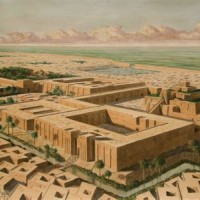
Ur, Iraq, was a Sumerian city-state in southern Mesopotamia that flourished during the third millennium BCE. Archaeological remains include the Ziggurat of Ur and royal tombs containing artifacts that provide evidence of Sumerian religion, government, and craftsmanship.
-
Uruk, Iraq
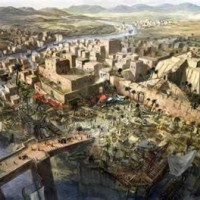
Uruk, Iraq, was one of ancient Sumer's largest and earliest urban centers and played a major role in Mesopotamia during the fourth millennium BCE. The city is associated with the development of early writing, monumental architecture, and the legendary king Gilgamesh.
-
Kathmandu, Nepal
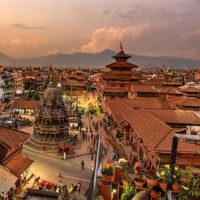
Kathmandu, Nepal, developed as a major settlement in the Kathmandu Valley and became an important center of the Newar civilization. Its historic core contains temples, palaces, courtyards, and religious monuments reflecting centuries of Hindu and Buddhist traditions.
-
Lhasa, China
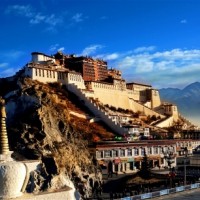
Lhasa, China, developed as an important Tibetan political and religious center and became closely associated with Tibetan Buddhism. The city is home to major historic sites including the Potala Palace, Jokhang Temple, and surrounding monastic institutions.
-
Tikal, Guatemala
Tikal, Guatemala, was one of the largest cities of the ancient Maya civilization and reached its height during the Classic Period. Its archaeological remains include towering temple pyramids, palaces, plazas, reservoirs, and monuments recording the activities of Maya rulers.
-
Beijing, China

Beijing, China, has served as a major political center for several Chinese dynasties and became the capital of the Yuan dynasty in the 13th century. Later Ming rulers rebuilt the city on a large scale, including the construction of the Forbidden City and major sections of its imperial urban plan.
-
Xi'an, China
Xi'an, China, known in antiquity as Chang'an, served as the capital of several Chinese dynasties, including the Han and Tang. It also marked the eastern terminus of major Silk Road routes that connected China with Central Asia and regions farther west.
-
Madurai, India
Madurai, India, is an ancient city in Tamil Nadu that served as an important center of the Pandya kingdom and Tamil culture. Its long history is closely associated with the Meenakshi Amman Temple and with literary traditions connected to classical Tamil scholarship.