Top 10 Ways to Improve Bad Breath
Nobody wants to be the person who clears a room just by saying hello. Halitosis is a widespread issue that affects millions of adults worldwide. It causes social anxiety and ruins perfectly good conversations. Masking the odor with a quick mint only provides a temporary shield against a persistent problem. You need to address the root causes to truly freshen your breath and protect your oral health.
The human mouth is a bustling metropolis of bacteria that thrive on leftover food particles. When these microbes break down organic matter, they release foul-smelling sulfur compounds. Combatting this process requires a dedicated routine that goes beyond a cursory brush before bedtime. Proper hygiene physically removes the bacteria and the fuel they rely on to produce those unpleasant smells.
Finding a permanent fix involves building sustainable daily habits and recognizing when to seek professional help. Readers can use this guide to identify gaps in their current dental care regimens and discover medically sound strategies for improvement.
-
Brushing Teeth and Tongue
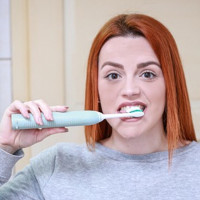
Most people know that brushing their teeth is the cornerstone of oral hygiene. The American Dental Association recommends brushing twice a day with fluoride toothpaste to remove plaque and food debris. Plaque is a sticky film of bacteria that constantly forms on your teeth and produces odors if left undisturbed. Using a soft-bristled brush ensures you clean effectively without damaging your enamel or irritating your gums.
The tongue is a massive trap for bacteria and dead cells. Its rough surface provides the perfect hiding spot for odor-causing compounds. Gently brushing your tongue from back to front is crucial for eliminating halitosis. You can also use a dedicated tongue scraper to physically remove this nasty residue and instantly improve the freshness of your breath.
-
Daily Flossing
A toothbrush physically can't reach the tight spaces between your teeth. Food particles inevitably become wedged in these crevices after every meal. Bacteria quickly flock to these hidden buffets and release foul odors as they feast. Flossing once a day dislodges these particles before they can rot and cause severe breath issues.
Proper technique matters just as much as consistency. You should curve the floss around the base of each tooth and gently slide it beneath the gumline. Snapping the string down hard can cut your sensitive tissue and cause bleeding. Taking your time with this process ensures you remove the maximum amount of plaque.
Dental professionals consistently emphasize that flossing protects against gum disease. Periodontal disease is a chronic infection that causes persistent bad breath and can eventually lead to tooth loss. Making this simple string a daily habit defends your smile and keeps your breath pristine.
-
Drinking Water

Saliva is your body's natural defense mechanism against halitosis. It constantly washes away stray food particles and neutralizes acids produced by oral bacteria. A dry mouth creates a stagnant environment where these microbes multiply rapidly and generate awful smells. Staying thoroughly hydrated is the easiest way to ensure your salivary glands keep pumping out this protective fluid.
You should aim to drink plain water continuously throughout the day. Sugary drinks or acidic beverages can actually feed the bacteria and worsen your breath over time. Swishing water around your mouth after a meal acts as a quick rinse to dislodge loose debris. A well-hydrated mouth feels cleaner and smells significantly better.
-
Using Antimicrobial Mouthwash
A quick swish of the right liquid can reach every corner of your mouth. Antimicrobial mouthwashes are specifically formulated to kill the bacteria responsible for producing sulfur compounds. These therapeutic rinses offer a medical benefit rather than simply masking odors with a heavy mint perfume. They actively reduce plaque buildup and help prevent the early stages of gum disease.
You should always look for a product that carries a seal of approval from a recognized dental association. This guarantees the mouthwash has been rigorously tested for safety and effectiveness. Some formulas contain chlorhexidine or cetylpyridinium chloride to provide long-lasting antibacterial action. Using these rinses as directed adds a powerful layer of chemical defense to your mechanical brushing routine.
Timing your rinse can impact its effectiveness. Many dentists recommend waiting a short period after brushing before using mouthwash. This prevents the liquid from immediately washing away the protective fluoride left behind by your toothpaste. Incorporating a quality rinse into your regimen ensures a deeper clean and lasting freshness.
-
Cleaning Dental Appliances
Removable dental devices act like sponges for microscopic food debris and oral bacteria. Retainers and dentures sit in your mouth for hours at a time and collect a massive amount of plaque. If you put a dirty appliance back into a clean mouth, you instantly undo all your hard brushing work. The trapped bacteria will quickly multiply and generate a remarkably unpleasant odor.
Every device requires a specific cleaning protocol to maintain its hygiene and structural integrity. Dentures generally need to be soaked overnight in a specialized cleaning solution to loosen tough deposits. Retainers often benefit from a gentle scrub with a soft brush and mild soap. Keeping these appliances spotless is absolutely vital for maintaining a healthy and odor-free oral environment.
-
Avoiding Odor Causing Foods
Certain ingredients possess a potent aroma that lingers long after the meal ends. Garlic and onions are notorious offenders due to their high concentration of volatile sulfur compounds. When you digest these pungent foods, the smelly chemicals enter your bloodstream and travel directly to your lungs. You then exhale these odors with every single breath until the compounds are fully processed by your body.
Brushing your teeth immediately after a garlic-heavy dinner only solves half the problem. The scent originates from your lungs rather than your mouth. Avoiding these ingredients entirely before important social or professional encounters is the most reliable prevention strategy. You simply can't scrub away a smell that's being expelled from deep inside your respiratory system.
Spices and certain strong cheeses can produce a similar systemic effect. Diet plays a massive role in the way your breath smells to others. Making mindful choices about your meals ensures you never have to worry about projecting the ghosts of your lunch onto your colleagues.
-
Quitting Tobacco

Smoking leaves an unmistakable and stale stench that permeates your breath and clothing. Tobacco products dry out your mouth and create the perfect breeding ground for anaerobic bacteria. The chemicals in cigarette smoke also physically damage your gum tissue and reduce your body's ability to fight off oral infections. This dangerous combination leads to a very specific and highly offensive type of halitosis.
Smokers are significantly more likely to develop severe periodontal disease. This advanced gum infection causes deep pockets of pus and decaying tissue that smell absolutely horrific. Breaking the addiction to tobacco is one of the most impactful decisions you can make for your systemic health and your personal hygiene. Your mouth will naturally heal and your breath will improve dramatically once you stop exposing it to these toxic fumes.
-
Chewing Sugarless Gum
The physical act of chewing sends a powerful signal to your salivary glands. Your body assumes you're eating and begins pumping out fresh saliva to help digest the incoming food. This sudden flood of moisture is fantastic for washing away lingering debris and neutralizing bacterial acids. It provides an immediate and natural defense against bad breath when you can't access a toothbrush.
You must ensure the gum you choose is entirely free of sugar. Chewing a sugary bubblegum provides an absolute feast for the bacteria that cause tooth decay and odors. Look for products sweetened with xylitol instead. Xylitol is a natural sugar alcohol that actively inhibits the growth of the specific microbes responsible for cavities.
Keep a pack of xylitol gum in your desk or your car for emergencies. Popping a piece after your morning coffee helps eliminate that infamous roasted stench. It's an incredibly convenient tool that keeps your mouth hydrated and your breath pleasant throughout a busy day.
-
Getting Regular Dental Checkups

Even the most rigorous home hygiene routine can't remove hardened tartar. Plaque eventually calcifies into a cement-like substance that strongly adheres to your teeth and harbors billions of smelly microbes. Only a dental hygienist has the specialized tools required to scrape this hardened tartar away safely. Scheduling professional cleanings twice a year ensures your mouth gets a true reset.
Dentists also serve as your first line of defense against hidden oral health disasters. A tiny cavity or a cracked filling can trap food and create an isolated pocket of decay that ruins your breath. Catching these structural issues early prevents localized infections from spreading and causing chronic odor problems. Your dentist can pinpoint exactly where your halitosis is originating and fix the underlying damage.
-
Treating Underlying Medical Conditions
Sometimes the source of the terrible smell has nothing to do with your teeth or gums. Chronic sinus infections constantly drip bacteria-laden mucus down the back of your throat. This postnasal drip coats the base of your tongue in a foul-smelling film that regular brushing can't reach. Clearing up the respiratory infection with a doctor's help will instantly resolve the associated halitosis.
Gastrointestinal issues can also project terrible odors upward into your mouth. Acid reflux disease allows stomach acids and partially digested food to travel back up your esophagus. This unnatural backflow brings stomach gases straight into your oral cavity. Managing your reflux with dietary changes or medication keeps those corrosive liquids and awful smells where they belong.
Persistent bad breath that doesn't respond to aggressive dental hygiene is a massive red flag. It can occasionally indicate severe metabolic conditions like diabetes or kidney disease. You should never ignore a foul odor that stubbornly refuses to disappear. Consulting a physician ensures you uncover and treat the true medical root of the problem.