Top 10 Obscure Insults You Can Get Away with Using
Some insults are meant to sting. These are meant to prance into the room wearing a velvet cape, confuse everybody, and somehow still land. The beauty of an obscure insult is that it lets you mock someone with style instead of swinging the conversational equivalent of a frying pan. Half the fun is in the delivery. The other half is watching the target pause, squint, and wonder whether they were just roasted or accidentally enrolled in a Shakespeare seminar.
This list rounds up ten English words that are weird, theatrical, and just harmless enough to use without turning a goofy exchange into an actual feud. They sound ridiculous in the best possible way. Fancy little verbal peacocks. The kind of words that make an insult feel less like an attack and more like a performance. You are not trying to start a war here. You are trying to win the moment and maybe force someone to ask, "Wait, what does that even mean?"
Every entry is a single-word English term that works as a mild or whimsical jab, not a slur, not profanity, and not something designed to make Thanksgiving permanently weird. When voting or reordering the list, think about how obscure the word is, how fun it is to say out loud, how badly it begs for dramatic emphasis, and how likely it is to earn a baffled grin instead of a furious glare. An insult is good. An insult that sounds like it escaped from an old dictionary and still gets the job done is art.
-
Snollygoster
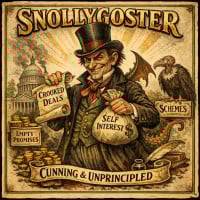
A snollygoster reads as a theatrical label for someone who is cunningly self-interested rather than principled. The word carries a playful, old-timey flavor that makes it useful for teasing someone about crafty behavior without sounding vicious. Delivered with a wry smile, it invites laughter and follow-up questions about the vocabulary.
-
Cockalorum

Cockalorum is a jaunty term for a boastful, self-important person that sounds almost musical when spoken. It works well to puncture pompous bluster because the word itself feels more amused than angry. Using it tends to make the exchange feel like a scene from a comic play rather than a confrontation.
-
Ninnyhammer
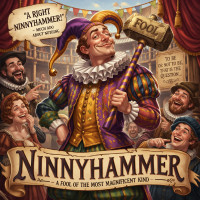
Ninnyhammer has a Shakespearean cadence that brands someone as foolish in a comic, old-fashioned way. The absurdity of the compound makes the insult land as theatrical rather than mean-spirited. It's ideal for light teasing among friends who appreciate a bit of linguistic flair.
-
Pillock
Pillock reads as a blunt, slightly coarse British-style word for a foolish person while remaining non-obscene. Its clipped sound makes it effective for expressing exasperation without resorting to harsh language. In casual company, it tends to come off as grumpy and comic rather than truly offensive.
-
Abydocomist
Abydocomist has an exotic, pseudo-classical ring that makes it useful for accusing someone of boastful falsehoods in an erudite, tongue-in-cheek way. Because the term is so unfamiliar, it functions as a playful rhetorical flourish more than a cutting attack. Most listeners will respond by asking for the meaning, which keeps the mood light.
-
Fopdoodle
Fopdoodle blends the idea of a foppish person with a whimsical suffix to produce a dismissive but comical insult. It's well suited to mock trivial vanity or affectation without sounding cruel. The word's breezy tone makes it feel like affectionate teasing rather than serious condemnation.
-
Cumberworld
Cumberworld paints a vivid picture of someone who merely takes up space or is ineffectual, using a compound that feels slightly archaic. The imagery is what gives the term its charm: it's sly and descriptive without being vicious. Used sparingly, it's a clever way to call out ineptitude while keeping the exchange playful.
-
Quockerwodger
Quockerwodger sounds like a whimsical puppet or contraption and thus makes a delightful insult for someone who seems easily manipulated. The nonsense-syllable structure gives it a childlike, absurd quality that defuses hostility. Saying it aloud usually prompts laughter and curiosity rather than anger.
-
Gormless
Gormless is a mild British adjective meaning clueless or lacking sense, and it reads as conversational and gently reproachful. Its understated tone makes it useful for chiding absentmindedness without escalating tensions. The word feels familiar enough to be understood in context yet quaint enough to sound slightly superior.
-
Bayard
Bayard evokes the image of bold but foolish confidence, making it handy for mocking bluster rather than attacking character. The term's literary, antiquated flavor keeps the jab light and somewhat theatrical. It's best used when you want to puncture bravado with a single, old-fashioned word.