Top 10 Tips for Living on Your Own for the First Time
So you moved out of your parents' house into an apartment or house of your own, and you're sitting there wondering, "Now what?" This list is for you!
Here are the tips you should know for navigating the challenges of living on your own for the first time.
-
Stay on top of bills

This is a big one and one that you'll hear a lot: stay on top of your bills. This is not a joke. Create a budget and stick to it. If you're living on your own, then it's up to you to make your payments on time. It's a serious deal, especially if you're used to living with your parents and not paying bills. It's a serious wake-up call.
This is your signal you are entering the real world. Whatever you do, don't be late and don't get evicted. Make sure you keep track of things. There are a lot of bills and expenses happening, and it can get overwhelming. But if you have a budget and plan out your finances properly, it can be managed.
Set bills up to autopay if you can, so it's already taken care of. Set a reminder, get a calendar, or do whatever it takes to get things paid on time.
-
Clean fairly frequently
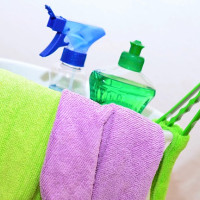
Living on your own means you are responsible for cleaning and maintaining your own living space. Mommy and Daddy aren't there to clean for you. When you first move in, the place will be pretty clean, or it should be. You can always do a once-over right off the bat for peace of mind.
It's much easier to maintain the cleanliness than to let it get out of hand. Just get into a habit of cleaning regularly and dedicate some time in your routine for it. Honestly, if you spend 30 minutes a day total cleaning your living space, bathroom, and kitchen, you'll be a lot happier with your space. It's really not that bad. Just listen to music and it'll feel like nothing.
It's so much nicer coming home to a clean house or apartment. You take it for granted, but it's such a satisfying feeling. On top of that, you want your place to look presentable in case you have people who want to come over. Living on your own is when you really have to grow up and mature, and part of that is learning how to clean up after yourself.
Do laundry consistently (you should know how to do your own laundry by the time you move out). Run the dishwasher every other day or so. Trust me, dirty dishes pile up faster than you think. Also make sure your bathroom isn't disgusting. If you don't clean regularly, you run the risk of inviting roaches, mice, and other unwanted critters, and nobody wants that.
-
Learn to cook basic meals
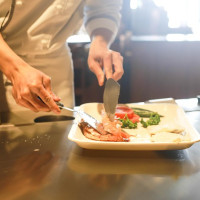
You don't have to be a 5-star chef by any means, but learn to cook a few basic meals for yourself. Trust me, it's a life skill you need to know and it's not hard. Even something like Hamburger Helper is a great place to start. Learn to make homemade tacos, nachos, and quesadillas. Maybe even breakfast foods too.
Don't just eat McDonald's and Taco Bell every meal. You will get tired of it and it's expensive. Try to buy things that you can get multiple meals out of, like those lasagna trays at the grocery store that serve about four people. It's only a few dollars more and you get a lot of food that'll last you a week.
Another good option is a slow cooker or crock pot. You can get one for pretty cheap and make a ton of meals out of it, and it's pretty simple too. Literally set it in the morning, then you come home from work or school and boom, dinner is already done. And you get a lot of food out of it too.
Invest in some spices since those last forever. Just know that you are only cooking for yourself, so you can make whatever you want. Obviously, there will be times when you don't want to cook and opt for fast food instead, but don't make that your go-to.
-
Keep basic medications and foods in case you get sick

Being sick sucks, but nothing is worse than being sick while living by yourself. The last thing you want to do is have to go out in public and make a trip to the nearest pharmacy or supermarket to pick up medicine or food.
Have some essential items already ready to go, like ibuprofen, Tylenol, DayQuil, NyQuil, and canned soup, ramen, saltine crackers, or whatever comfort foods you need to make you feel better. Have those things on hand so you can take care of yourself and stay home.
Also, while you're at it, get a basic first aid kit, some flashlights, and an emergency supply of basic foods in case of a power outage. Basically, make sure you cover all your bases and have your essential items at home so you have them in case you need them. Trust me, you'll thank yourself later.
-
Shop for essential cleaning supplies at dollar stores

When living on your own, you'll want to buy some essential supplies and things you might not even think about. A paper towel holder, a dish wand for hand washing, dish soap, Clorox wipes, basic knives, a spatula, a pizza cutter, an ice cream scoop, tongs, serving and mixing spoons, measuring cups, and a couple of sets of silverware and plates are good just to get started.
For the bathroom, a toilet plunger is a must. Nothing is worse than not having one when you absolutely need it. Get a toilet brush, bowl cleaner, tub cleaner, toilet paper (buying in bulk will last you a long time), air freshener, and a shower curtain with a rod.
For the bedroom, you definitely need pillows, a decent blanket, and sheets. Other items include a small vacuum cleaner, a broom and dustpan, laundry detergent, and dryer sheets. These are just the basic items you'll need, and most of them you can find at dollar stores for reasonable prices, usually much cheaper than at big stores. The off-brand stuff works just fine, and you can also buy some food items from there as well.
-
Save your leftovers
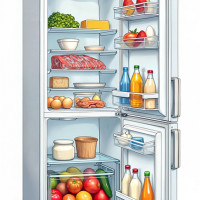
If you're living by yourself, you should not waste food if you can help it. You'll quickly realize that buying food gets very expensive very quickly. I suggest buying some Tupperware and stocking up on food like chicken breasts, which normally come in packs of 3 or 5. You can also get frozen pizzas or lasagna that serves multiple people.
You can always cook it all at once, then you have 2 or 3 additional meals out of it. Save your food as much as possible, but on that note, make sure you're actually eating it. Don't let it sit in the refrigerator and rot, which is an easy trap to fall into. You'll understand once you go to the store. The upfront cost may be a lot, but it'll last longer than just buying single meals.
-
Lock your door

This sounds like a no-brainer, but lock your doors, especially at night and when you leave for an extended period of time, like going to work or school. Just remember to lock your door and stay safe.
Always take your keys with you whenever you leave, no matter what. Even if it's just to take the trash out, the last thing you want to do is lock yourself out and have to call a locksmith. Carry your keys on you at all times to avoid that situation.
Investing in doorknob bells can also help give you peace of mind, so you know when the door actually opens. That way, you aren't stressing yourself out in the middle of the night thinking you heard the door opening. Do your part to protect yourself and your belongings. Don't let anyone have easy access to your home.
It's one of those things you might overlook, especially in a house. Lock your doors and maybe even invest in a security system for more peace of mind.
-
Buy used furniture and appliances
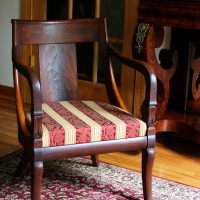
I know it's tempting to go out and buy brand-new furniture and kitchen appliances right away. But you'd be surprised how many people around you are willing to give you stuff. If you're living with your parents, they might give you some basic items like a toaster or blender to get you started.
Ask your friends, extended family, neighbors, and grandparents, and you might be surprised how much they are willing to give you for next to nothing. I've gotten a nice recliner, couches, and some decent kitchen appliances this way. Of course, take into consideration the condition of these items before taking them.
If all else fails, Facebook Marketplace, Goodwill, and other thrift stores may have some decent options as well. The most important thing to remember is that functionality is the goal. Fancy stuff is so expensive, and you're better off just getting the basics that get the job done. You can always upgrade later, but when living on your own for the first time, you need to save money where you can. It's better to have functional items than spend everything on top-of-the-line stuff that usually barely makes a difference.
-
Be friendly with your neighbors

I'm not saying you have to become best friends with them, but at least try to be on good terms with them. It can help establish trust and create a sense of community if you can build a network with those living around you. Plus, if you ever need something like moving a large piece of furniture, you have a neighbor right there.
The people you're living with can have a big impact on your living experience. Having a friendly rapport will help tremendously, especially over small issues like noise levels. Just know that a little kindness, mutual respect, and understanding will go a long way.
-
Keep a fire extinguisher handy
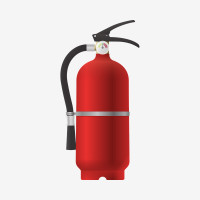
Having a fire extinguisher around is always a good idea because you never know when you might need it. Most apartment units will have one already there somewhere. If not, keep one somewhere where it's not in the way but easily accessible. Above the stove is not a great place, because if there's a fire it's likely going to be there, which limits your access to it. A storage closet or under the kitchen sink are good options to store it.
Also, make sure you know how to use it. Nothing is worse than having a situation where you need it, but you cannot find it and don't know how to use it.