Top 10 Tips You Should Know Before Moving Into Your First Apartment
Renting an apartment is a big step and can be very intimidating to someone in their early 20s. It's definitely a lot to process, but if you can learn to manage it, then it's a great step toward living on your own and moving out of your parents' house.
It's a sign of maturity if you can learn to live in an apartment, whether with roommates or on your own. There are a lot of responsibilities you need to know about, and this list gives you some perspective and guidance to help make sure your first apartment is a successful venture.
-
Document everything on move-in day

This is a very important point to remember. Typically, on move-in day, when the apartment manager hands you the keys, you'll do a walkthrough of the apartment unit. Make sure you document anything and everything before you move in.
Let management know about any scratches on the walls or floors, holes or nicks in the walls, marks on the ceilings, cracks, or any other unusual spots. Also, alert them immediately if any appliances aren't working. Otherwise, when you move out, management can and will try to fine you for these damages if you don't have them documented. The last thing you want is to lose your security deposit over something that wasn't your fault.
Protect yourself from potential fines by recording everything. Write things down and take pictures and videos if necessary. Anything you can send to management or the landlord will help. Trust me, your future self will thank you.
This is also the time to test everything, including the heater, AC, appliances, and water pressure.
-
Understand what's included in the lease agreement
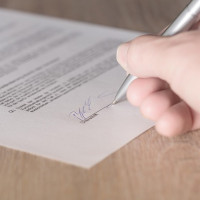
Reading the lease agreement isn't fun, I get it, but it's necessary to know the information. It's a lot like the course syllabus if you think about it. There's going to be a lot of jargon in there you might not understand, but make sure you're fully aware of and understand the policies and addendums in place.
The lease will tell you how much rent is, when it's due, what the late fees are, what's included in the price, and what utility costs you're responsible for. It varies by apartment complex which utilities and expenses are included in your rent and which are not (electricity, water, pest control, parking, gas, etc.).
Also, familiarize yourself with the smoking policy, pet policy, guest parking policy, what amenities are available, whether they're free or not, and what hours they're open. It'll also tell you how maintenance requests work and who's responsible for what.
-
Know your budget and stick to it

Living on your own for the first time comes with a lot of responsibilities and expenses. Don't let the costs intimidate you.
The first grocery trip will be expensive, so be prepared for that. You'll be getting all the food and common items you need, and it adds up fast. Make sure you have a budget in place to account for all your expenses.
There will be a lot of things to keep track of. Obviously, rent and utilities are going to be important, but you also need to factor in additional expenses like parking, gas, groceries, food, supplies, internet, and streaming services. It can be intimidating at first, but a budget can eliminate that problem and help avoid unnecessary or unexpected expenses.
If you're living with roommates and splitting costs, make sure everyone's on the same page about who's paying what and how much everyone owes. A good rule of thumb is the 50/30/20 rule: 50% of your monthly net income should go to needs, 30% to saving or investing, and 20% to discretionary or entertainment purposes.
-
Understand the parking situation

Different places have different parking policies. Make sure you understand what the parking situation is.
Is there a parking garage? Is it first come, first serve? Are there any additional parking fees? Do you have an assigned parking spot? Where do guests park?
These are important questions to know the answers to when moving in.
-
Pay attention to the location of the apartment complex

This is a tip that's easy to overlook, but it's important to know how far away you are from places you need to go regularly, like work or school. Plan your commute accordingly.
It's also good to know how busy the streets are in the area, especially during peak hours. What restaurants are nearby? Where's the closest grocery store? These are all important questions to ask before signing a lease.
Having a grocery store nearby is such an underrated bonus. It's something you take for granted, but you'll definitely notice the inconvenience if your apartment complex is far from one.
-
Wait to buy furniture

I know it's tempting to bring furniture on move-in day, but sometimes it's better to wait and see what actually fits in the apartment before buying anything. Your first apartment is likely going to be small, and new furniture can be expensive.
If you're going to get a table, lounge chair, or something like that, Facebook Marketplace is a decent place to look. I'd stay away from buying a mattress there, though. Furniture is usually much cheaper on Marketplace than buying brand new, but just be careful about what you're buying if you go that route.
Also, some apartments come pre-furnished, which is nice. Sometimes, less is more. You want to keep some space open, or else you'll feel very crammed in a small apartment.
-
Define your apartment needs
Apartments come in a variety of sizes and layouts. It's important to know how many bedrooms and bathrooms you need, especially if you're sharing the space with someone else.
Make sure to research the pet policy ahead of time and be prepared for any fees. Some apartments allow pets, while others don't.
Also, know what amenities are available. Is laundry in-unit or in a shared laundry room? Is there valet trash service, or do you have to take it out yourself? Do you prefer a balcony or extra space? Do you want access to a fitness center or a pool?
Think about the parking situation. Does the apartment come with appliances like a refrigerator, microwave, oven, and dishwasher, and are they up to date? Is there already a TV? These are all things that can help you narrow down your choices.
-
Drive by the complex at different times
If you know you're going to be traveling to and from the apartment constantly, it's a good idea to figure out what that looks like ahead of time, especially if it's in a busy area.
What's traffic like at 7:30 to 8:30 AM on a typical day? What about 5:00 to 6:00 PM? If you know what times you'll be leaving or returning home, take that into consideration, especially if parking is a free-for-all. Check how easy it is to find a spot. That's one lesson you don't want to learn the hard way.
Even if you're not driving, find the nearest bus stop and figure out how the bus system works. Also, make sure to drive by the apartment complex at night. Check that it's well lit and looks safe. Look out for any signs of suspicious or unusual activity. It's a good idea to check public records too, just to see if the area has high crime rates. That's easy to overlook but can give you peace of mind.
-
Dedicate some time to cleaning
If you're living in an apartment, you're not at home where your parents take care of most of the household chores, and you're not in a college dorm where you can get away with being messy.
You want to make sure your apartment stays reasonably clean in case you want to invite people over. You also don't want to deal with mold or attract pests and critters. You'll be responsible for keeping the place cleaned up. Trust me, dishes add up faster than you think.
It's much easier to clean at the beginning when you move in and then maintain that cleanliness than to let things pile up and spend multiple days cleaning. Just dedicate about 30 minutes or so to cleaning and doing dishes. It'll save you time in the long run.
At some point, you'll probably want to invite your friends or your boyfriend or girlfriend over. You want your place to be inviting, not disgusting.
-
Try to get a roommate
Definitely not a bad idea. Living with a roommate is something that I believe everyone should experience at least once in their lives. It's nice to have someone to split the living costs with so it's not a big burden. It's also nice to have somebody to share the living space with.
This is assuming you know who your roommate is and share similar living habits. Having roommates is very hit and miss. Having good roommates makes the experience a lot better. Bad roommates make it infinitely worse.
-
Introduce yourself to potential neighbors
Not necessarily a huge deal, but it's a good idea to at least say hi to the people who'll be living directly next door to you for the next few months. It never hurts to greet them.
You don't have to become best friends, but chances are you'll run into them from time to time. They may also be able to give you an honest opinion about what living there is really like and how reliable maintenance is, so it's good to hear their experiences.
Plus, you want to make a decent first impression. In case you make a lot of noise or they do, it's a lot easier to talk about it if you aren't complete strangers. It can also help create a more secure feeling of community.