Top 10 Worst United States Vice Presidents
We've all heard of those Vice Presidents who went on to become impactful Presidents, or those who made substantial contributions even while serving in the VP's chair. They deftly navigated the political maze, addressing issues head-on and leaving a legacy that future generations can learn from. But that's not what this list is about.
Instead, we're here to spotlight the other side of that coin - those Vice Presidents who, shall we say, didn't exactly ace their term in office. We're delving into the chapters of U.S. history that make you scratch your head and say, "Wait, they did what now?" Maybe they faltered in their decision-making, drew the ire of the public, or simply faded into the background without making any notable contributions.
Now, it's essential to remember that these people stepped into an incredibly challenging role, and as the saying goes, "hindsight is 20/20." But this list is all about stimulating a dialogue and revisiting history from a critical perspective. Did they make the most of their term, or did they fumble the ball? Could they have done more or better with the opportunities and resources they had at their disposal?
-
Dick Cheney
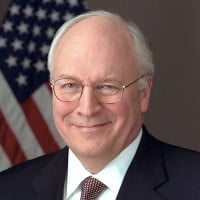
Despite his extensive experience in the political sphere, Cheney often faced criticism for his perceived manipulation of intelligence, particularly in the lead-up to the Iraq War. Critics also suggest his approach to governance reflected an overconcentration of power in the executive branch, damaging the principle of checks and balances.
Being from Wyoming myself, just no.
Those of you who don't know him have literally no idea what this person is capable of, and none of it is good.
A gangster with no regard for human life or for the well-being of the country. Worst vice president in the last hundred years, at least!
He was the most corrupt vice president, and he always had a terrible demeanor.
-
Dan Quayle
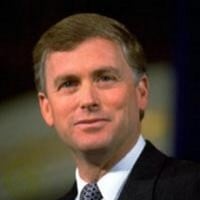
Many found Quayle's political career marked by gaffes and apparent ignorance of policy nuances, which overshadowed his contributions. His lack of perceived intellectual depth and his struggles with public speaking often led to him being dismissed as not up to the task of the vice presidency.
Although I was a fan of George H. W. Bush, I didn't like him.
-
Mike Pence
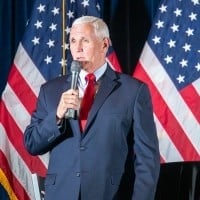
Though celebrated by some for his unwavering conservative stance, Pence's deeply held religious convictions sometimes resulted in policies that critics felt limited personal freedoms. Additionally, his often muted response to the more contentious statements and actions of his presidential counterpart, Donald Trump, drew criticisms of complicity and lack of leadership.
This guy is an idiot! The only reason I want Trump to stay as the current President is because Pence would be a lot worse.
He uses his religion as an excuse to hate. That is NOT what Christianity is about, but sadly, it is starting to look like that. He is rated 0% by NARAL, meaning that he is completely against abortion. He voted yes on terminating the Home Affordable Mortgage Program. He voted no to prohibiting job discrimination and yes to prohibiting flag desecration (what happened to freedom of speech/expression?). He voted no on enforcing against anti-gay hate crimes, etc.
Trump and he think global warming was made up by China. Why? This is a man who voted no to expanding the Children's Health Insurance Program. I'm not sure how anyone could think he is a good guy.
-
John C. Calhoun
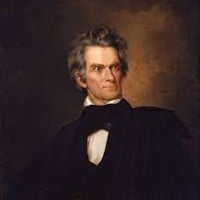
While serving as vice president, Calhoun's ardent defense of states' rights and pro-slavery stance polarized the nation, contributing to the lead-up to the Civil War. His doctrine of nullification, in particular, was seen by many as an undermining of federal authority and cohesion.
Nothing short of a racist fear-mongering war criminal.
-
Kamala Harris
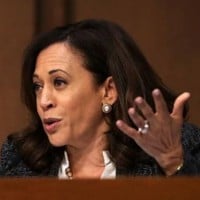
Despite her historic role as the first woman and person of South Asian and African American descent to serve as vice president, Harris has been criticized for her handling of some issues, particularly regarding immigration. Her prosecutorial record as Attorney General of California has also been a subject of criticism for its perceived toughness.
Was there even one thing she was competent at? She sucked at border security, she was not smart about any issue, and she probably cannot spell AI right now.
Worst of all time. Take the next 10 worst and add them together, and she still tops them all. The epitome of unqualified, and our nation would be in serious trouble if she were put in charge, even for a short time.
She tries to puff up Biden and defend every single one of his actions while claiming to be tough on crime. She let people riot, and she didn't even handle the COVID-19 pandemic correctly.
-
Andrew Johnson
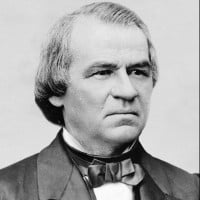
Johnson, despite ascending to the presidency after Lincoln's assassination, was criticized for his Reconstruction policies, which were seen as lenient toward the defeated Southern states and failed to adequately protect the rights of newly freed slaves. His rigid approach to policymaking, inability to collaborate effectively with Congress, and impeachment trial mark his contentious political career.
He denied Black citizenship and voting rights after Lincoln was killed.
He definitely didn't help with tensions.
-
Joe Biden
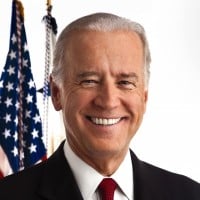
Biden's long political career was marked by several instances of verbal gaffes, causing critics to question his communication skills and judgment. Moreover, his involvement in the controversial 1994 Crime Bill, which many argue led to mass incarceration, remains a stain on his record.
Guy is perverted and embarrassed whatever dignity the Obama Administration had left.
All he did was wave and clap. That's it. Should be number one.
He was a bad vice president and an even worse president.
-
Spiro Agnew
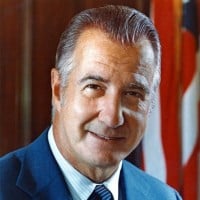
Agnew's vice presidency was marred by scandal, leading to his resignation under charges of tax evasion and bribery. His divisive rhetoric, often aimed at his political opponents and the media, was seen by many as contributing to the political polarization of the era.
A stain on the Nixon Administration.
The most corrupt vice president we've ever had. He accepted cash bribes without any hesitation.
-
Richard Nixon
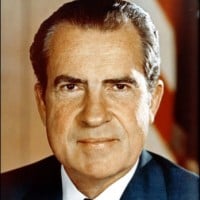
Prior to his presidency, as vice president under Dwight D. Eisenhower, Nixon faced accusations of dishonesty and opportunism. His handling of the infamous "Checkers Speech," while effective in the short term, cemented for many a perception of Nixon as a politically calculating individual.
He had a rough vice presidency, but he did a better job as president until Watergate.
-
Al Gore
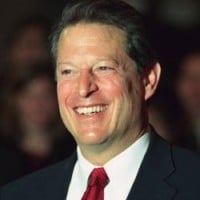
Despite Gore's strong environmental advocacy, which many applaud, critics argue that his tenure as vice president under Clinton was marked by an inability to effectively harness his office's potential to address the growing environmental crisis. Furthermore, his role in the controversial 2000 presidential election remains a contentious issue.
He only cared about "climate change". If he was ever President, his clean energy policies would've destroyed our country.
He was the most overrated vice president in US history.
-
?
JD Vance
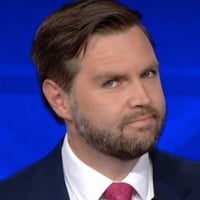
James David Vance (born James Donald Bowman. August 2, 1984) is an American politician, author, attorney, and Marine Corps veteran. Since 2025, he has served as the 50th Vice President of the United States. A member of the Republican Party, Vance represented Ohio in the U.S. Senate from 2023 to 2025... read more
A man with no morals or principles. He changed his views on Trump, whom he used to call Hitler; changed his religion several times; and switched from being a Democrat to a Republican. He will do anything to benefit himself rather than the American people.
-
?
James S. Sherman
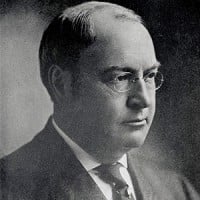
Didn't do anything, died in office.
-
Lyndon Johnson
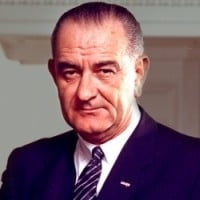
Although Johnson was able to use his legislative skills to pass landmark civil rights and social welfare legislation as president, his tenure as vice president was marked by a lack of influence and authority in Kennedy's administration. His often strained relationship with the Kennedys may have prevented him from having a significant policy impact during that time.
Kennedy was pretty much forced to include Johnson on the ticket in order to be sure he got the votes that were "guaranteed."
-
Aaron Burr
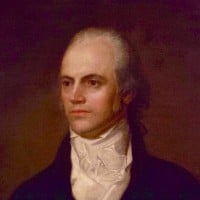
While Burr's tenure as vice president is often overshadowed by his infamous duel with Alexander Hamilton, his political career was marked by controversy, including a treason trial. His perceived opportunism and lack of clear political principles have been sources of ongoing criticism.
-
John Tyler
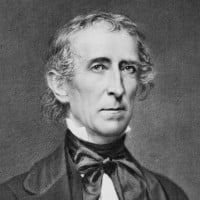
Although he would later ascend to the presidency, Tyler's vice presidency was marked by his affiliation with the Whig Party, which he ultimately abandoned. This party betrayal created numerous political enemies and critics who saw Tyler as unprincipled and opportunistic.
-
Hubert Humphrey
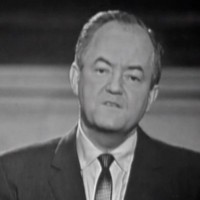
Although Humphrey was a major proponent of civil rights and other progressive policies, his support of the Vietnam War during his vice presidency under Lyndon B. Johnson caused him to lose favor among many liberals. Critics argue that he compromised his principles for political expedience.
-
George H.W. Bush
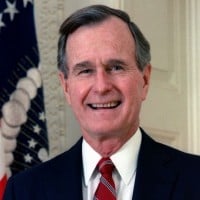
Despite a successful presidency, Bush's vice presidency under Reagan was marked by his complicity in the controversial Iran-Contra affair. Critics also argue that his commitment to Reagan's conservative economic policies did little to address growing economic inequality.
-
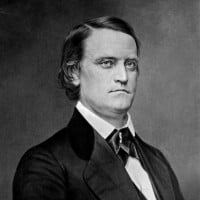
John C. Breckinridge
-
Millard Fillmore
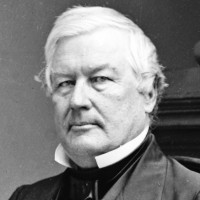
Fillmore's actions as vice president, and later as president, often reflected his attempts to maintain a fragile union by compromising with pro-slavery forces. Critics argue this stance showed a lack of moral courage in the face of the nation's growing divide over slavery.
-
Walter Mondale
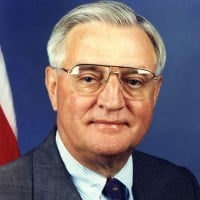
Although Mondale redefined the vice presidency to include more policy-making responsibilities, critics argue that his close alignment with President Carter's less popular policies and decisions detracted from his effectiveness in the role. His support for liberal policies also made him a target of conservative criticism.
-
Tomas R. Marshall
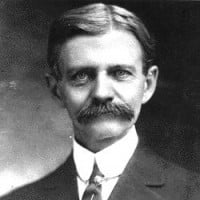
Known for his humor and quick wit, Marshall nevertheless faced criticism for his lackadaisical approach to the vice presidency, which critics argue was a disservice to the office. His infamous statement, "What this country needs is a really good five-cent cigar," has been seen as symptomatic of a lack of policy depth.
-
Henry Wallace
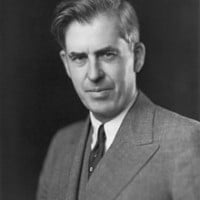
Wallace's vice presidency was controversial due to his progressive and idealistic views, which were often at odds with the more pragmatic politics of his time. His perceived sympathies toward the Soviet Union and socialism made him a contentious figure in the Democratic Party.
-
Garret Hobart
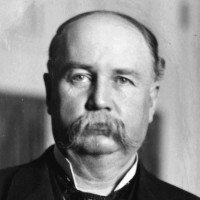
Hobart's tenure as vice president under McKinley was largely uneventful, leading some critics to suggest that he failed to use his office to advance significant policy issues. His close ties with business interests also raised concerns about potential conflicts of interest.
-
Thomas Jefferson
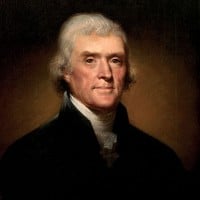
While Jefferson is celebrated for his influence on American democracy, his tenure as vice president under John Adams was marked by stark ideological differences that led to a highly partisan environment. Critics also argue that his personal life, particularly his relationship with Sally Hemings, a woman enslaved by him, reflects a significant moral failing.
-
George M. Dallas
-
Daniel D. Tompkins
-
George Clinton