Top 10 Stupidest Diet Tips
-
Eliminate all fats
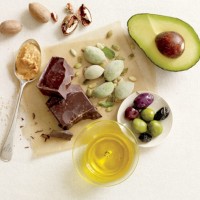
Fats are essential macronutrients involved in hormone production, cell structure, and nutrient absorption. Eliminating all dietary fat can lead to deficiencies in vitamins A, D, E, and K. Health authorities recommend prioritizing unsaturated fats while limiting trans fats and excessive saturated fat.
It depends on what foods you're eating. For example, trashy things like cookies and burgers will make you fat, but healthy fats like those in nuts, avocados, and salmon are very beneficial and can strengthen your heart!
While limiting excess fat is a good idea, cutting fat too low is really stupid. Fat makes food satiating, so you feel full for longer.
There's a lot of food that includes healthy fat.
-
Eat as few calories as possible
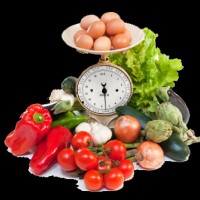
Severe calorie restriction can slow metabolic rate and increase the risk of nutrient deficiencies. The body requires a minimum energy intake to maintain essential functions such as circulation and respiration. Long term under eating is associated with muscle loss and impaired immune function.
This has got to be the worst tip that way too many people follow. Cutting calories too much makes you feel hungry all the time and causes your body to go into starvation mode. Your body will shed a lot more muscle mass to try to lower its metabolism. Weight loss needs to slow down to be successful in the long term.
What the freak? You need calories! Without them, your body acts like it's going to starve, and your metabolism uses fewer calories to conserve energy. Calories are about health, just not too much. It depends on your height, sex/gender, weight, and growth. So, eat a healthy amount of calories!
-
Cut out carbohydrates
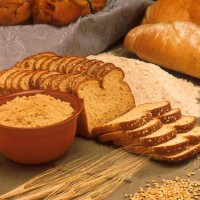
Carbohydrates are a primary energy source for the body and are especially important for brain function. Completely eliminating carbohydrates can cause fatigue, dizziness, and nutrient shortfalls. Most balanced diets include complex carbohydrates from foods like whole grains, fruits, and vegetables.
Never do this! This is dangerous to your health. Carbs in processed trash can make you overweight, but healthy carbs in vegetables and whole wheat items are beneficial. Carbohydrates are one of the three macronutrients, and complex carbs are good.
High-fiber stuff has helped me a lot.
-
Go gluten-free
Gluten is a protein found in wheat, barley, and rye that is harmful only to individuals with celiac disease or diagnosed gluten sensitivity. There is no consistent evidence that a gluten-free diet promotes weight loss or improves overall health in people without gluten-related disorders. Many gluten-free packaged foods are highly processed and can be lower in fiber, iron, and B vitamins than their gluten-containing counterparts.
Who cares? Gluten-free isn't necessarily healthy! Gluten is a type of protein that is actually healthy. If you have celiac disease, skip gluten. It's basically an allergic reaction to gluten.
-
Stop snacking
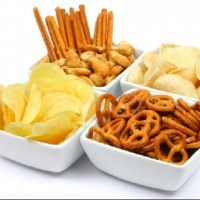
Snacking between meals can help regulate hunger and maintain stable energy levels when nutrient dense foods are chosen. Removing snacks entirely can contribute to overeating at meals or blood sugar swings. Overall calorie intake and food quality matter more than snack timing alone.
It depends on the snack. If it's nutritious, it won't make you fat. If it's a bad snack like cookies, it will make you fat!
Don't think in terms of weight but of health. Of course, you can snack! Just consider what you should eat to stay healthy and happy. I'd never give up the little pleasures of life for a diet. Don't do a diet. Just eat healthy and walk at least. Walk stairs to work your buns.
For me, my snacks are usually healthy, like fruit and yogurt. Sometimes, I treat myself with cookies.
-
Choose low-fat or skim milk
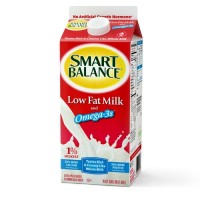
Low fat and skim milk contain less fat than whole milk while providing similar amounts of calcium, protein, and several vitamins. The removed fat is primarily saturated fat, which many guidelines advise limiting. Some research suggests full fat dairy may increase satiety and help with absorption of fat soluble vitamins.
The fats in milk are healthy. I hate it when I am fed low-fat milk because people think it's healthy. I am sick of it! The fats in milk are beneficial, help you feel full, and contain vitamins that are removed when the fat is taken out. It's proven that whole milk drinkers are less likely to gain excess weight compared to skim milk drinkers!
Believe it or not, the reason skim milk has no fat is that they add ridiculous amounts of sugar to improve its taste. If you're going to drink milk, choose almond or cashew milk instead of dairy.
-
Eliminate cheese
Cheese provides calcium, protein, and vitamins including B12 and A. Removing cheese can lower saturated fat intake but may also reduce intake of these nutrients. Health effects depend on portion size, frequency of consumption, and the type of cheese eaten.
Cheese can be a good, nutritious snack in moderation and can improve health. Eating it regularly in moderation is healthy as long as it's not processed. But too much cheese is bad, so ditch this stupid diet tip. It's crappy!
-
Skip sugar
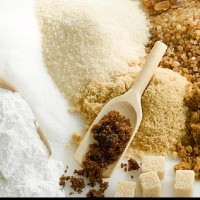
Sugar provides energy but does not supply essential nutrients. High intake of added sugars is linked to increased risk of obesity, type 2 diabetes, and dental caries. Reducing added sugars is widely recommended, while naturally occurring sugars in fruits and dairy can fit into a balanced diet.
That's very damn crazy! Sugar is healthy to eat in moderation. People need some sugar. Without it, we would, well, you know, die!
-
Skip sodium
Sodium is necessary for fluid balance, muscle contraction, and nerve signaling. Excess sodium intake is associated with high blood pressure and increased risk of cardiovascular disease. The majority of dietary sodium comes from processed and restaurant foods rather than salt added at the table.
Sodium can be bad, but never eliminate it completely. Without enough sodium, muscle spasms and cramps, vomiting, weakness, and even death can occur. Eat a good amount of salt each day to stay healthy!
-
Go vegan
A vegan diet excludes all animal products and can meet nutritional needs with careful planning. Nutrients that often require special attention include vitamin B12, iron, iodine, calcium, and omega-3 fatty acids. When well planned, vegan diets are associated with lower risks of certain chronic diseases, including heart disease.
-
?
Eliminate dairy

Dairy foods are common sources of calcium, protein, and vitamin D, but they are not biologically required for everyone. People with lactose intolerance or dairy allergy can obtain these nutrients from other foods. Fortified plant milks, tofu, leafy greens, and certain fish can serve as alternatives.
-
?
Eat quickly
Eating quickly can disrupt the body's hunger and fullness signals. Faster eating is associated with higher calorie intake and greater risk of weight gain. Slower eating allows more time for satiety hormones to respond.
-
Assume natural labels mean healthy
The term "natural" is not strictly regulated on most food labels and does not guarantee nutritional quality. Highly processed foods can still legally use the word "natural" depending on jurisdiction. This labeling can cause consumers to overestimate the healthfulness of certain products.
You need to do one damn thing: check the ingredients to see if they're healthy. Some unhealthy things are considered natural!
Poison ivy is natural. Snack on that, I dare you.
-
Believe you need animal foods to survive
Humans can meet nutritional needs without animal foods by using plant sources, fortified foods, or supplements. Nutrients such as vitamin B12, iron, and omega-3 fatty acids can be obtained through fortified products or supplementation. Large populations follow vegetarian or vegan diets long term without inherent health problems when diets are properly planned.
-
Cut out saturated fat
Saturated fats are found in animal products and some plant oils such as coconut and palm oil. Higher intake is associated with increased LDL cholesterol, which is a recognized risk factor for cardiovascular disease. Most dietary guidelines recommend limiting saturated fat rather than eliminating it entirely.
While you shouldn't eat saturated fat in excess, it definitely isn't as bad as it's been made out to be. Sugars and trans fats are far more harmful to your health.