Top 10 Pokemon Based On Japanese Mythology
Since Pokémon is based in Japan, a vast majority of it is inspired by Japanese mythology and folklore. Here, I will present the ten Pokémon that have strong connections to Japan's folklore.
-
Espeon
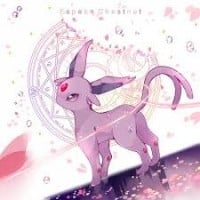
Espeon, known in Japan as Eifie, was introduced in Generation II and is a Psychic-type evolution of Eevee. Espeon evolves from Eevee when leveled up with high friendship during the daytime. It's famously characterized by its lilac fur, large ears, and the red gem situated on its forehead.
Espeon shares traits with the bakeneko and nekomata, but it may be more closely based on the nekomata since it has two tails. Both creatures have the ability to foresee and wield psychic powers. Espeon is often seen as mysterious, which aligns with the traits of both these spirits.
-
Banette

Banette, known in Japan as Juppeta, was introduced in Generation III and evolves from Shuppet starting at level 37. It is a Ghost-type Pokémon that can Mega Evolve using Banettite. Banette is said to be a doll that came to life after being abandoned.
Since Banette is an inanimate doll that becomes possessed when abandoned by its owner, it may be based on the tsukumogami (also known as tool kami), a type of yōkai that possesses tools and other inanimate objects.
I'm pretty sure Banette is also a nesting doll from Japan.
-
Mawile

Because of its cute yet deceptive appearance, Mawile may be based on the Futakuchi-onna, a woman who possesses two mouths: one on her face and another larger one on the back of her head, hidden within her hair.
Mawile looks like it could be based on Japanese mythology due to its resemblance to the cloaks worn by dancers in Japan. The thing Mawile wears is very similar to that.
-
Bronzong

Bronzong is based on the dōtaku, which are ancient bronze bells similar to Bronzong in design. While Bronzong is said to bring rain according to the Pokédex, dōtaku may have been used to bring good harvests and aid agriculture, as they were believed to bring rain to crops. Bronzong is apparently nicknamed the "Bringer of Harvests," which could explain the connection between them.
-
Farfetch'd

-
Ninetales
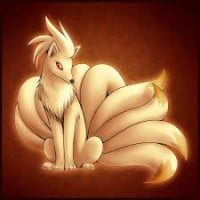
Ninetales, known in Japan as Kyūkon, is a Fire-type Pokémon species introduced in Generation I. It evolves from Vulpix when exposed to a Fire Stone. Ninetales is recognized for its long, flowing tails and mystical powers, which are said to grant it supernatural abilities.
Based on the kitsune, which simply means fox in Japanese, Ninetales aligns with the Japanese legend of a fox that possesses many tails, lives a long time, and can possess spirits as it ages. This explains Ninetales' ability to learn ghost and psychic-type moves. With the ability to live for 1,000 years, Ninetales fits this legend perfectly.
-
Phantump

Phantump is based on the Kodama, a spirit that dwells in and possesses trees. The Kodama is said to curse those who try to chop down the trees it inhabits, and the victims are then granted some kind of supernatural power. Phantump's eerie-sounding cry may be related to the yamabiko, a spirit that yelps delayed echoes through the mountains and valleys. Phantump's Pokédex entries may also relate to these spirits.
-
Froslass

Froslass, known in Japan as Yukimenoko, is an Ice and Ghost-type Pokémon introduced in Pokémon Diamond and Pearl. It evolves from a female Snorunt when exposed to a Dawn Stone. Froslass is inspired by the yuki-onna, a supernatural spirit from Japanese folklore.
Since Froslass is created when a woman gets lost on snowy mountains, this Pokémon may be based on the Yuki-onna, which means "snow woman" in Japanese. The Yuki-onna is a floating spirit and is generally considered as beautiful as Froslass. According to the Pokédex, Froslass takes the souls of men and others to its den. Its behavior matches that of the Yuki-onna, who also strikes terror into those lost in blizzards.
-
Zoroark
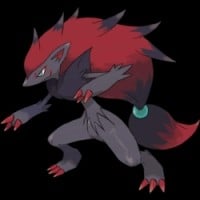
Zoroark is a Dark-type Pokémon that evolves from Zorua starting at level 30. It was first introduced in Generation V. Zoroark is known for its Illusion ability, which allows it to appear as another Pokémon during battle, creating deceptive and strategic advantages.
Like Ninetales, Zoroark is most likely based on the kitsune. Both Zoroark and the kitsune share similar abilities, such as shapeshifting into humans. In Zoroark's case, it can resemble both humans and Pokémon. More specifically, Zoroark may also relate to the yako, spirits that possess foxes and tend to act mischievous or destructive.
-
Whiscash

Whiscash, known in Japan as Namazun, is a dual-type Water/Ground Pokémon. It evolves from Barboach starting at level 30. Whiscash is inspired by the Japanese mythological catfish Namazu, which is believed to cause earthquakes.
Whiscash is based on the Japanese mythological creature Namazu, a large catfish that can trigger earthquakes. Since the Pokédex mentions its ability to create earthquakes, Whiscash brings this concept to life in the Pokémon world.
Whiscash looks like a mix between a cat and a fish. It is also small for an evolved Pokémon.
-
?
Zigzagoon
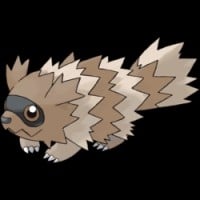
Zigzagoon, known in Japan as Jiguzaguma, is a Normal-type Pokémon introduced in Generation III. It is recognized for its zigzagging walk and curious nature, often investigating anything it sees moving. Zigzagoon first appeared in Pokémon Ruby and Sapphire.
Zigzagoon is based on the tanuki, the shapeshifting raccoon dog.
-
?
Gastly

Gastly, known in Japan as Ghos, is a dual-type Ghost and Poison Pokémon introduced in Generation I. It evolves into Haunter starting at level 25, which then evolves into Gengar when traded. Gastly is composed mostly of gas and can easily penetrate solid objects.
Gastly is Shiranui, the fire from Japanese myths.
-
Weavile

Due to its "devious" and cunning personality, Weavile may be based on the kamaitachi, yokai demons known as sickle weasels that attack people with their sharp claws.
-
Shiftry
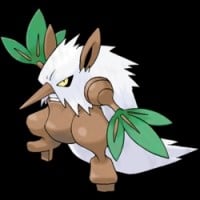
Shiftry is a dual-type Grass and Dark Pokémon introduced in Generation III. It evolves from Nuzleaf when exposed to a Leaf Stone and is known for its fan-like hands, which can generate winds strong enough to level houses. Shiftry is often portrayed as a secretive and ominous figure that dwells deep within... read more
-
Lombre

Lombre is literally just a kappa.