Top 10 Best Cyberpunk Derivative Genres
Ah, cyberpunk. The gritty, noir-inspired sci-fi subgenre that has been growing since the 1980s and has given us works like The Matrix, Blade Runner, and Neuromancer. It's also the subgenre that inspired many derivative genres of its own, which we'll be exploring today.
Most, if not all, of these entries contain some combination of highly advanced technology, a gritty and often urban visual style, and an engagement with social issues.
-
Steampunk
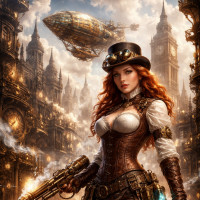
Steampunk is a speculative genre and aesthetic that combines advanced or anachronistic technology with settings influenced by the 19th century, especially the Victorian era. Its imagery often features steam-powered machinery, brass instruments, airships, and mechanical inventions built with pre-digital materials.
Pretty much the most successful derivative of cyberpunk. The home of steam power, Victorian culture, and zeppelins. Typically more optimistic compared to cyberpunk, reflecting the progressive era the genre is based on.
I enjoyed most steampunk movies I've seen so far.
Steamboy, City of Ember, and The Golden Compass (this is more fantasy-inspired, leaning toward "Gaslamp Fantasy").
-
Mythpunk
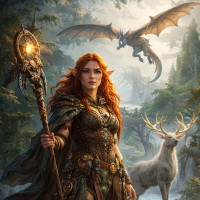
Mythpunk is a genre that reworks folklore, mythology, and fairy tale traditions through contemporary, hybrid, or unconventional storytelling methods. It often alters familiar legends by changing cultural context, narrative structure, or the roles of supernatural figures.
Basically transforming ancient myths and folktales and making them into a story that challenges social norms. Almost like a grittier version of the Percy Jackson stories.
-
Post-cyberpunk
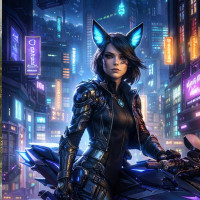
Post-cyberpunk is a science fiction subgenre that keeps cyberpunk's focus on advanced technology and networked societies while depicting worlds that aren't always socially collapsed or lawless. Its stories more often follow people working within institutions, communities, or regulated systems shaped by pervasive digital technology.
Cyberpunk's happy-go-lucky, cheerful, and optimistic little sibling. This one is perfect for those who want to do cyberpunk but want to avoid the dark, gritty, and depressing feel of normal cyberpunk.
-
Clockpunk

Clockpunk is a speculative genre centered on technology powered by clockwork, gears, springs, and other mechanical systems associated with the Renaissance or early modern period. It typically imagines intricate machines and inventions developed before the rise of steam or electricity.
Renaissance-style technology brought to the extreme, with various clockwork machinery of all shapes and sizes. Basically, what would happen if da Vinci went through with his ideas for inventions like helicopters and cars.
-
Elfpunk

Elfpunk is a fantasy subgenre that places elves, fae, and related mythic beings into modern or urban environments. It commonly blends folklore-based magical creatures with contemporary cities, technology, or everyday social life.
Putting elves, fairies, and other spirits in a story featuring a gritty atmosphere and motorbike chases.
-
Dieselpunk
Dieselpunk is a retrofuturist genre inspired by the interwar period, the 1930s, and the 1940s, drawing on the design and politics of the diesel age. Its settings often include heavy machinery, early aviation, industrial cities, and technology associated with combustion engines rather than digital systems.
Like steampunk, but with oil instead of steam, steel instead of brass, and an atmosphere similar to the period of the World Wars.
I recommend Sky Captain and the World of Tomorrow.
-
Nanopunk
Nanopunk is a speculative subgenre focused on nanotechnology and its effects on bodies, materials, medicine, and society. Stories in this mode often examine microscopic machines that can alter matter, repair tissue, or reshape environments at a molecular scale.
Microscopic robots, tiny machinery, grey goo apocalypse, etc.
-
Atompunk
Atompunk is a retrofuturist genre based on mid-20th-century visions of the future shaped by atomic science, the Space Age, and Cold War design. It commonly features nuclear power, raygun-era styling, rockets, and optimistic or anxious depictions of scientific progress.
My favorite aside from cyberpunk. Nuclear technology, along with fusion technology, has big potential for growth and new themes.
I enjoy both the brighter, streamline-inspired atompunk and the dark, somber kind of Fallout, though the latter is my favorite.
There is plenty of atompunk art, but not many books, films, comics, etc. Hopefully it will grow.
The genre of nuclear technology, exploring the dangers and fears of nuclear war.
-
Biopunk
Biopunk is a science fiction subgenre centered on biotechnology, genetic engineering, synthetic biology, and biological modification. Its narratives often explore engineered organisms, altered humans, corporate control of life sciences, and the ethical consequences of manipulating DNA.
Biological and genetic technology replace cybertechnology as a source of conflict.
-
Solarpunk
Solarpunk is a speculative movement and genre built around renewable energy, ecological design, and societies organized for environmental sustainability. Its settings frequently depict solar power, green architecture, mutual aid, and technological systems integrated with natural environments.
Based around renewable energy and solar power, and it also is concerned with climate change.
-
?
Stonepunk
Stonepunk is a speculative genre that imagines prehistoric or ancient societies developing ingenious technologies using stone-age materials and principles. It is commonly associated with fictional settings where tools, vehicles, and machines are built from rock, wood, bone, and animal power rather than modern industry.
-
?
Rococopunk
Rococopunk is a niche retrofuturist style that combines speculative technology with the decorative art, fashion, and social imagery of the Rococo period. It usually draws on 18th-century European aesthetics such as elaborate ornamentation, powdered-court fashion, and aristocratic interiors.
-
Decopunk
Decopunk is a retrofuturist style and genre derived from the visual language of Art Deco and the culture of the 1920s through 1940s. It emphasizes streamlined architecture, geometric ornament, luxury-industrial design, and futuristic ideas expressed through early modern aesthetics.
-
Dreampunk
Dreampunk is a niche atmospheric subgenre associated with surreal, dreamlike, and often liminal settings shaped by altered perception and unstable reality. It's used most often in discussions of ambient or electronic music aesthetics, and its boundaries as a fiction genre aren't consistently defined.
-
Nowpunk
Nowpunk is a speculative mode that emphasizes the immediate present or a near-present world rather than a distant future or alternate historical era. It typically focuses on current social conditions, existing technologies, and contemporary forms of cultural or political tension.
-
Cyberprep
Cyberprep is a subgenre related to cyberpunk that presents high technology in orderly, affluent, or socially stable environments instead of decayed urban dystopias. Its worlds often include advanced networks and cybernetic tools while placing them within polished consumer culture or institutional normalcy.