Top 10 Worst Drugs
When it comes to harmful substances, the list of worst drugs isn't just about addiction but also the wide-ranging damage they cause to individuals and communities. Whether it's the physical toll on a person's health, the strain it places on relationships, or the broader societal impacts, some drugs seem to top the charts in terms of sheer destruction. What makes a drug the worst can vary depending on factors like how addictive it is, how quickly it destroys the body, or how much it disrupts life for those who use it and those around them.
Consider the substances that have wreaked havoc on lives and vote for the ones you think belong at the top. Is it the drug with the most brutal withdrawal symptoms? The one that leaves a person unrecognizable after years of use? Or maybe the one that has fueled a crisis in your community?
-
Methamphetamine (Crystal Meth)
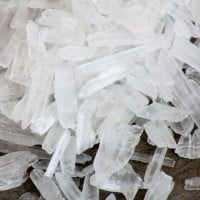
Methamphetamine is a powerful stimulant that affects the central nervous system, leading to increased energy and euphoria. Chronic use can cause severe dental issues, weight loss, and permanent damage to brain function. It is highly addictive and can lead to violent behavior and psychosis.
Don't do it. Period! Especially if you have kids. I don't drink, smoke, or do any other drug. I started using methamphetamine just to get me through long hours of work. Eventually, I needed it as much as I needed food to live.
Once you're off it, life becomes boring, meaningless, and depressing. This is the stage when people start to relapse. I was in this stage for seven long months. I never, ever want to go through that again.
So what did I do? I started coaching my kids' teams. That was my form of rehabilitation. I still have urges for the stuff every day. I've been off it for one and a half years, and it still hasn't gotten any easier. Finding joy in doing things with your family helps, at least a little.
Watch the Australian Ice Destroys Lives commercial. People get fired, and one guy attacks his mother after she pleads with him not to buy more meth, even after he steals from her purse. A little girl witnesses the whole incident. It's traumatizing. The drug doesn't just affect the user. It impacts family, friends, and other people as well. The scene where the guy goes berserk in the hospital is particularly chilling. It's terrifying for both the public and the police.
Never do drugs. They take over and destroy your life. The consequences are unforgiving. And the stigma remains. People always remind you of your past. Relapse is also a concern, and withdrawal doesn't always last just a week or three. It can last your entire life, similar to heroin. This is called PAWS (Post-Acute Withdrawal Syndrome). Methamphetamine is worse than Krokodil and heroin combined. At least both of the latter can be used as medicine in their proper forms, unlike the adulterated street versions.
-
Heroin (Diacetylmorphine)
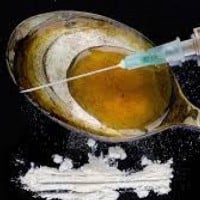
Heroin is an opioid drug made from morphine, extracted from the opium poppy plant. It induces intense euphoria but is highly addictive and has a high risk of overdose. Long-term use can cause serious health problems, including collapsed veins and infections of the heart lining.
I know several people who have died due to this horrible substance. One of the worst aspects of this drug is that it is often cut with cheaper, more potent drugs, leading users to miscalculate their dosage. This isn't as common with meth or cocaine. Cocaine is typically cut with substances that resemble it. Lidocaine is a prime example. While it's bad, it's not as dangerous as heroin in this regard.
Meth generally isn't cut on the street because it is found in shard form. The concern with meth lies in the overall purity of the product's cook or the substitution of research chemicals. Heroin is far worse when it comes to gauging dosage, which is why so many people die from it. Additionally, heroin is extremely addictive. It is far more physically addictive and almost as psychologically addictive as meth. People even sell sentimental items from their childhood to get their fix. This is the worst drug there is.
-
Krokodil (Desomorphine)
Krokodil is a synthetic opioid derived from codeine and is known for its flesh-eating effects on users. It produces a short but intense high, similar to heroin, but with far more dangerous side effects. Its use is associated with severe tissue damage, gangrene, and often fatal infections.
The effects of this drug are disgusting! I always wonder what sort of frame of mind a person must be in to take this stuff in the first place. Along with heroin and other drugs, the person must be really messed up in the head to take it, knowing how addictive these drugs are, the dangers of using them, and what they do to your body. I generally feel sorry for all substance abusers. I hope one day drug abusers will gain the strength and willpower to turn down these drugs and not take them in the first place.
Also, I hope that one day every drug dealer will stop preying on these weak, desperate people and help them instead of shoving drugs into their hands because they want their cash. I hope they will stop being so greedy and look at the bigger picture of just how many lives they are destroying daily.
-
Cocaine (Crack Cocaine)
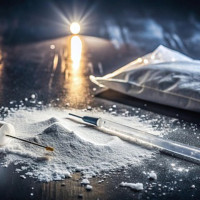
Crack cocaine is a highly potent and addictive form of cocaine that is smoked, producing an intense but short-lived high. Its use can cause cardiovascular issues, respiratory problems, and severe psychological dependence. Long-term use is associated with paranoia, aggression, and significant health decline.
This is a horrible drug and so addictive that all it took was my first hit, and I've been chasing it ever since. Over nine years, I was able to stay clean for only four years before relapsing even worse.
I've slept outside and done anything and everything to get more, trying to clean up so many times. As a chronic relapser, I've abused many other substances, including prescription opiates, benzos, and alcohol. Although I'm an alcoholic, I've also used meth, regular coke, and weed. However, crack is by far the most addictive drug I've done.
Alcohol usually starts a relapse for me, but once I get crack, that takes over. It's my drug of choice.
-
Alcohol (Ethanol)
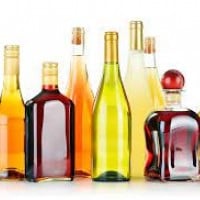
Alcohol is a depressant that affects the central nervous system, impairing motor skills and cognitive functions. Chronic alcohol use can lead to liver damage, heart disease, and an increased risk of cancer. It is highly addictive and withdrawal can be life-threatening in severe cases.
This proves that people have no clue. Alcohol and nicotine are among the worst drugs. They should both be in the top 5, following cocaine, heroin, and meth. I can't believe marijuana is in the top 3 when it has been proven that not a single human has died from its consumption. Ecstasy is in the top 6, even though most people who supposedly die from it actually die from dehydration.
If you're on ecstasy, you tend to dance and begin to sweat a lot. You can't blame the drug for not drinking water when you've been dancing all night. If you count the number of people who have died because of consuming alcohol and nicotine (which are legal drugs), the number would still be much higher than those who have died from world hunger, thirst, traffic accidents, and wars combined. That's a fact.
-
PCP (Phencyclidine)
PCP is a dissociative anesthetic that distorts perceptions of reality and can cause hallucinations, delirium, and violent behavior. It was initially developed as a medical anesthetic but was discontinued due to its dangerous side effects. Long-term use can lead to memory loss, depression, and permanent psychosis.
This drug is relatively safe when used responsibly at the right dosage. The trouble is that the recreational dose is very close to the lethal dose, so even if you know what you're doing, it could kill you.
I've personally tried it several times before. It does carry risks, and you need to be careful, but it's not nearly as dangerous as rumor has it. It's no more dangerous than alcohol.
People have died from just one hit. Do not try it. There might be drugs with worse long-term effects, but this is a short-term drug in the sense that it can kill you if you try it.
-
Bath Salts (Synthetic Cathinones)
Bath salts are synthetic cathinones that act as stimulants, often leading to extreme agitation, hallucinations, and violent behavior. Their effects can mimic those of amphetamines and cocaine but with unpredictable and dangerous results. Use can result in severe health risks, including organ failure and death.
This is definitely in the top 3. It's also well known as the "Zombie Infection" after its outbreak involving a man on bath salts eating another man's face off. This drug will ruin your life completely. It may be fun for a little bit, but it ruins your life in the long run.
A woman chopped her baby in half with a sword she had hanging on a wall and ate her child. A guy ate a dog after taking these. People on these need four or more people just to hold them down. It's like steroids on steroids with insanity mixed in.
In northern Maine, bath salts are a huge problem and should be higher on the list. It's not because they're not super common anywhere else.
-
Nicotine (Nicotine)

Nicotine is a highly addictive substance found in tobacco products, which stimulates the nervous system and releases dopamine. Its use leads to a strong dependence and is associated with a range of health issues, including heart disease, cancer, and respiratory illnesses. Nicotine addiction is one of the hardest to overcome.
Where I'm at (Switzerland), smoking cigarettes is allowed at age 16, as is alcohol. Honestly, so many people in the world smoke these days. It's rare to see someone over 18 without a cigarette. Smoking has numerous downsides: it's expensive, for starters.
It's like taking a handful of cash and burning it. Moreover, you spend all that money just to poison yourself, and then you get addicted to poisoning yourself. It also smells bad. And let's not even talk about lung cancer. So, don't try tobacco. If you're smoking a cigarette while reading this, I'd suggest Nicorette.
Tobacco is probably one of the worst things out there, despite its popularity. Did you know that tobacco is more dangerous than heroin and cocaine? If it were illegal, people would probably go to the same extremes you see meth addicts go to for their next hit.
I say all this, yet I still smoke. Maybe it's better to just not start.
-
Oxycodone (OxyContin)
Oxycodone is a prescription opioid used to treat moderate to severe pain, but it has a high potential for abuse. Prolonged use can lead to physical dependence and a high risk of overdose. It affects the brain's reward system, making it highly addictive.
Honestly, I believe that addiction is a myth. I've done all of these drugs and never had a dependence. There have been times when I've wanted to use them, but that doesn't mean anything.
Do these drugs if you want. They will not ruin your life like people say. I've been using oxycodone, both stealing and buying, since I was 14 because I like it. I've gone months without touching it and forgot about it. It's a good drug if you want a good time, similar to weed.
Oxycodone mixed with acetaminophen is sold as "Percodan," and mixed with aspirin, it is "Percocet." Oxycodone is a semi-synthetic opioid and is always administered orally. Injection, especially intramuscular, can cause severe problems and sometimes even be deadly.
It's very dangerous when used recreationally.
-
Benzodiazepines (Benzo)
Benzodiazepines are a class of drugs used to treat anxiety, insomnia, and seizures by depressing the central nervous system. While effective for short-term use, they are highly addictive and can lead to physical dependence. Overdose, especially when combined with other depressants, can result in coma or death.
Benzodiazepines are, by far, the worst drugs out there. They are extremely addictive, cause immense damage to the body and brain, and are nearly impossible to quit. In fact, like alcohol, the withdrawal process can cause seizures and death if not managed correctly.
Doctors often overprescribe benzodiazepines and keep their patients on them for extended periods, even though they should be used for short durations (2-3 weeks maximum, not months to years). Protracted withdrawal symptoms can last for months or even years and have more symptoms than any other drug by far.
I was put on Xanax when my sister was dying of ALS. It took me four years to regain my physical and mental health after going off it. The issue isn't taking the medication. It's when you stop taking it or when your body goes into tolerance withdrawal that real problems begin. I never abused it and took it only as directed.
When you start experiencing withdrawal symptoms, doctors often tell you that you need more or replace it with something else. If you're among the percentage that experiences withdrawal, you're in for a horrific experience. There are tens of thousands, if not hundreds of thousands, of people who have experienced the mental and physical effects of full-blown or tolerance withdrawal. It's no joke.
The medication works initially, but be wary. It can ruin families, careers, relationships, and lives. When you go through withdrawal, you'll find yourself wishing for your old anxiety back. Even if the medication was prescribed by a doctor, you are still addicted or dependent if you experience withdrawal symptoms.
Unless you're willing to take more, the only option is to take less and slowly taper off. If you take more, it's only a matter of time before the dosage reaches toxic levels. If you take less, you could be stuck in horrific withdrawal 24/7 for possibly years. I personally know three people who committed suicide after they stopped taking Xanax or Klonopin.
Please examine the withdrawal symptoms before taking the chance of becoming dependent on it. Some doctors won't believe you because they only know what the pharmaceutical reps tell them, leaving you virtually on your own once they label you an addict. I'm starting over again at 60 years of age after losing everything that mattered to me.... read more
-
?
Pentobarbital (Nembutal)
Pentobarbital is a barbiturate used as a sedative, anesthetic, and in euthanasia. It depresses the central nervous system and can lead to profound sedation, respiratory depression, and death, especially when abused. Its use outside of medical settings is highly dangerous due to its narrow therapeutic index.
This is the most abuse- and dependence-prone substance among barbiturates. It is also very dangerous at high doses. This is a substance that could easily kill you.
-
?
Phentermine (Adipex-P)
Phentermine is a prescription stimulant used as an appetite suppressant for short-term obesity management. It can cause side effects such as increased heart rate, high blood pressure, and insomnia. Long-term use or misuse can lead to dependency, heart problems, and psychological issues.
An anorexiant that was often prescribed with fenfluramine. Phentermine and fenfluramine are amphetamine derivatives used for weight reduction. The combination was known as "Fen-Phen."
Medical reports have been accumulating for some years about significant side effects. The findings indicated that more than 60% of patients had abnormal echocardiograms. The mitral valve and other valves in the heart are damaged by a strange white coating, allowing blood to flow back and causing heart muscle damage.
Many manufacturers, at the urging of the FDA, agreed to voluntarily withdraw the drugs from the market. However, many countries (in Europe, Canada, Mexico) are still making and prescribing those drugs.
One of the most dangerous amphetamine-based diet pills that is still on the market.
-
Carfentanil (Carfentanil Citrate)
Carfentanil is an extremely potent opioid, roughly 100 times stronger than fentanyl and used primarily as a tranquilizer for large animals. Even a minuscule amount can be fatal to humans, leading to respiratory arrest or death. It is considered one of the most dangerous opioids in circulation due to its potency.
This substance is a derivative of fentanyl and is used only by veterinarians. It's about 10,000 times stronger than morphine in dosage. A mere 0.1 mg (10 mcg) can kill a human, so it's rarely seen on the street as a drug.
Dealers aren't interested in substances that can't be cut with other drugs - especially those that are measured in micrograms - or substances that have a great potential to kill their "customers." While it is a useful medication for large animals, it is generally not used on people. Is it one of the worst drugs? Not really, since it is typically used only by professionals.
I understand that tobacco and alcohol kill people and are very dangerous, but come on, carfentanil is so much worse. It should be ranked much higher.
-
Ketamine (Special K)
Ketamine is a dissociative anesthetic commonly used in veterinary medicine and sometimes in human surgeries. It has gained popularity as a recreational drug due to its hallucinogenic and dissociative effects. Abuse can lead to cognitive impairments, memory loss, and severe bladder damage.
Ketamine is an anesthesia of the Cycloalkylarylamines family. It's a substance known to be hallucinogenic and can appear in two different forms: the HCL powder form or as a liquid form. The effects come fast when administered by intramuscular injection (1 to 5 minutes), when snorted (about 10 minutes), and orally (20 minutes).
The duration of the effects varies: by injection it lasts 30 to 45 minutes, when snorted about 1 hour, and orally 2 to 4 hours. Great doses can cause sudden collapse, and if mixed with other drugs, it can cause paranoid psychosis. The worst part of this drug is that it can give you unpleasant flashbacks weeks and even several months after you have taken this substance. Definitely one of the worst drugs.
-
Devil's Breath (Scopolamine)
Scopolamine, also known as Devil's Breath, is a potent drug derived from the nightshade plant that has been used in some criminal activities to incapacitate victims. It can cause memory loss, confusion, and an inability to resist coercion. In high doses, it can be fatal by inducing respiratory failure.
If you watch the documentary on this drug, you'll understand how horrible it is. People mostly use it in Colombia, and all it takes is being near your face for you to become like a zombie. Strippers have been known to use this drug on their clients, making them withdraw all the money from their bank accounts and hand it over. The next day, the victims don't remember anything. This drug should be in the Top 3.
By far the most dangerous drug, Devil's Breath is not used recreationally. If you inhale even a small amount, you become a zombie who will do anything you're told. This means that if someone drugged you with it and told you to kill your whole family, you would willingly comply. It's absolutely terrifying.
-
Flakka (Alpha-PVP)
Flakka, or alpha-PVP, is a synthetic stimulant that can cause extreme agitation, paranoia, and hallucinations. It acts on the brain's dopamine system and has been linked to violent behavior, heart problems, and seizures. The drug's unpredictable effects can result in life-threatening conditions, including overdose.
Flakka is a new derivative of bath salts. It's made of alpha-phenyl pyrovalerone and is not, as many people think, a mixture of heroin and methamphetamine.
The dosages seen on the street are often exaggerated. Many people involved in manufacturing these new drugs are not aware of the potential dangers in dosages, which leads to users behaving like crazed maniacs.
-
GHB (Gamma-Hydroxybutyric Acid)
GHB is a central nervous system depressant often used recreationally for its euphoric and sedative effects. It is known as a date-rape drug due to its incapacitating effects at higher doses. Overdose can cause seizures, coma, or death, especially when mixed with alcohol.
GHB was discovered by Henri Laborit, who was investigating why soldiers diving below 10 meters in water sometimes experienced deadly convulsions through their oxygen masks. Laborit replaced the natural body substance GABA (in vitro) by modifying the NH2 radical with OH, giving birth to GHB (Gamma-Hydroxybutyric Acid, also known as sodium oxybate). Its medical use is for the treatment of cataplexy in patients with narcolepsy.
GHB has also gained notoriety as a "date-rape drug" because it is tasteless and easily dissolves in drinks. While any sedative can potentially be used as a "date-rape drug," GHB is often abused due to its liquid form.
-
Spice (K2)
Spice, or K2, is a synthetic cannabinoid designed to mimic the effects of marijuana but often has unpredictable and dangerous results. It can cause severe psychological effects, including hallucinations, paranoia, and violent behavior. Its composition varies, leading to potential toxicity and overdose.
Spice is literally poison to humans. It compels us to use it and further injects its toxicity into our brains. Spice is pure evil.
People who have survived its ravages have experienced hell itself during a bad trip. Never, under any circumstance, believe that Spice isn't that bad. It's a chemical designed to kill.
Spice should be a lot higher on the list. There is an epidemic in Manchester involving K2. People are using K2 to get off heroin. I had a friend who tried K2, and he was bipolar. He is no longer the same person.
He attempted to sell his soul to the devil and tried carving an antichrist sign on his chest with a screwdriver. He's only 15.
-
Codeine (Codeine Phosphate)
Codeine is an opioid used to treat mild to moderate pain and is often found in prescription cough syrups. It can lead to dependence with repeated use and may cause respiratory depression in high doses. Abuse of codeine-containing products has led to widespread addiction and health complications.
Codeine can be mixed with promethazine to make "lean" or "purple drank" due to the purple color of the combination. It's easy to make and is becoming a real problem where I live. I don't use it, but around 10 people from my school have dropped out because of it.
-
Opium (Opium)
Opium is derived from the latex of the opium poppy and contains several alkaloids, including morphine, which are potent narcotics. It has been used historically for pain relief, but it is highly addictive and can cause respiratory depression and death. Long-term use is associated with significant health risks and social harm.
Opium is a complex drug. Most drugs are single chemical compounds that can be defined with a chemical formula, but this is not the case with opium. It is not a single drug. The most potent chemicals in opium are morphine, codeine, thebaine, papaverine, and noscapine.
Opium alkaloids vary greatly in their effects. Some stimulate the GABA receptors, as benzodiazepines do, while others work on adrenaline receptors, histamine receptors, etc. The result of all these different effects makes opium a complex substance. Smoking opium can last more than 12 hours and has a greater narcotic effect than the isolated chemicals, especially morphine and codeine, of opium.
-
Steroids (Anabolic Steroids)
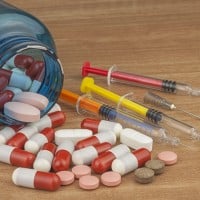
Anabolic steroids are synthetic variations of testosterone used to promote muscle growth but often abused by athletes and bodybuilders. Long-term misuse can lead to serious health risks, including liver damage, heart disease, and hormonal imbalances. Psychological effects such as aggression and mood swings are also common with prolonged use.
Every kind of steroid (anabolic steroids, corticosteroids, glucocorticoids) has the potential, when used for a long time or in too high doses, to make you sugar intolerant. Many people who were treated with steroids are insulin patients now.
It has medical uses (sometimes it will be the only therapy that will work), but if you can avoid it, don't take them. People who take them to increase performance (in sports, for instance) are really playing with their health.
An overdose of steroids is bad. I watched my father in the hospital for 6 months because of an accidental major steroid dose. It's not worth it if you are taking it for performance-enhancing reasons.
To the ten people who say people who take steroids are lazy, you are wrong. Some people take them for medical reasons. That's not lazy. That's survival.
-
LSD (Lysergic Acid Diethylamide)
LSD is a powerful hallucinogen that alters perception, mood, and various cognitive processes. It is known for producing intense visual and auditory hallucinations as well as psychological effects. While it is not considered physically addictive, its use can lead to dangerous behavior and psychological distress.
There seems to be a lot of misinformation here for some reason. The claim that LSD kills brain cells and makes you trip forever is just not accurate. Drinking too much doesn't make you drunk forever, and smoking too much doesn't make you high forever. No one on this planet is tripping forever. It's a myth.
One person said that LSD is like playing roulette with your life. However, LSD has caused zero deaths - a big fat zero. The only time it's dangerous is when you have a predisposition to mental disorders like psychosis. If you don't, it's nowhere near as bad as some claim. It's actually one of the safest substances out there. The assertion that LSD is the only drug to cause damage in a short amount of time is also incorrect. LSD does zero damage to the physical body, and if you have no pre-existing mental illnesses, it won't create one.
Additionally, LSD doesn't trigger psychosis and other mental illnesses unless you already have them, and even then it's rare. I've seen worse outcomes from legal drugs, with millions of deaths a year, compared to zero for LSD. So claiming that using LSD is like playing roulette is based on misinformation. If you don't know anything about a subject, it's better not to speak on it.
-
Ecstasy (MDMA)
MDMA, commonly known as ecstasy, is a synthetic drug that alters mood and perception, producing feelings of euphoria and emotional closeness. It increases serotonin and dopamine levels in the brain but can lead to dehydration, hyperthermia, and long-term damage to serotonin-producing neurons. Repeated use may result in cognitive deficits and mood disorders.
In my opinion, Ecstasy, not MDMA, is the worst or hardest drug in existence. Ecstasy has to be cut in order to be put in pill form, and the three most common drugs used to cut it are all in the top 5 of this list: 1. Heroin, 2. Meth, and 4. Cocaine. Besides these drugs, the actual ingredient, MDMA, that gives you the Ecstasy high is pretty dangerous on its own.
The last point to consider is that many would-be drug dealers sell research chemicals as "X" to make a quick buck. Nine out of ten times, this research chemical is more dangerous, especially if you don't know what's in it. If you go to the ER for a cocaine overdose, they know what to give you, but with Ecstasy, they have no idea what drugs are actually in your system, so medicating it is risky.
-
Fentanyl (Fentanyl Citrate)
Fentanyl is a synthetic opioid that is 50 to 100 times more potent than morphine, used to treat severe pain. It is highly addictive, and even small doses can be lethal. Illicitly manufactured fentanyl has contributed to a surge in opioid-related overdose deaths worldwide.
I'm an oldster who experienced the Hippie movement in the 1960s and did all the drugs available at that time. I just watched a documentary on Fentanyl filmed in Alberta, Canada. It could have been nearly anywhere in North America, particularly the Northeast. Awfully addictive and life-destroying. Yuksville.
This should be in the top 5. I just lost a friend about a month ago due to a fentanyl overdose. People don't realize how deadly this drug is.
Not the most popular of drugs, but very dangerous. Definitely top 5.
-
Morphine (Morphine Sulfate)
Morphine is a powerful opioid used medically for severe pain relief, derived from the opium poppy. While effective for pain management, it has a high potential for addiction and can cause respiratory depression, leading to overdose. Long-term use can result in physical dependence and withdrawal symptoms.
I busted my knee in football, and the doctors started pumping this stuff into my arm to ease the pain. I laughed at my parents for about an hour straight. But it's not something I would do outside of the hospital.
-
Tylenol (Acetaminophen)
Acetaminophen, commonly sold as Tylenol, is a widely used over-the-counter pain reliever and fever reducer. While safe in recommended doses, overuse can lead to severe liver damage or even liver failure. It is one of the most common causes of overdose-related emergency room visits.
While it's not an addictive drug, acetaminophen can cause severe hepatic toxicity if overdosed. Chronic daily use of 5-8 grams in adults over several months or three quarters of a gram per day of acetaminophen for one year has resulted in liver damage for every patient without exceptions.
Tylenol tablets, along with all acetaminophen-containing brands, also contain phenacetin, a molecule suspected to be a carcinogen.
-
Psilocybin Mushrooms (Psilocybin)
Psilocybin mushrooms contain a naturally occurring hallucinogenic compound that alters perception and mood. They are not physically addictive, but their use can lead to disorientation and psychological distress. Long-term or high-dose use may trigger episodes of psychosis in vulnerable individuals.
The effects are more or less the same as those of cannabis, but they are more profound and more euphoric. I've never seen or heard of bad trips on psilocybin. This substance is legal to sell and buy in Holland, so if it were really a dangerous substance, it wouldn't be legal.
As long as you don't drink alcohol or drive, this is a safe drug. It's no less or more dangerous than cannabis.
The worst-case scenario is traumatization, but that's pretty unlikely. The drug itself is not dangerous. The potentially dangerous part is having a bad trip.
Mushrooms can cause paranoia and temporary psychosis. Some trips are totally hellish. However, they are not lethal or addictive.