Top 10 Mental Illnesses Most Inaccurately Portrayed in the Media
When you learn about mental illness through movies, television, news reports, or social media, you are not always getting an accurate picture. Symptoms are often exaggerated, simplified, or tied to dangerous behavior because dramatic portrayals attract attention more easily than the complicated reality of living with a psychiatric condition. When you repeatedly see those portrayals, it becomes easier to associate certain diagnoses with fear, instability, or unpredictability rather than recognizing the wide range of experiences people can actually have.
That helps explain why some mental illnesses carry such persistent negative stigma, since much of what you are shown by the media emphasizes extreme cases and sensational behavior. You may come away believing that a diagnosis automatically defines someone's personality, relationships, or ability to function, even though symptoms and severity can vary considerably from one person to another.
-
Obsessive-Compulsive Disorder
People with OCD are not necessarily clean freaks. They get compulsive thoughts and obsess over them, hence the name of the disorder.
-
Antisocial Personality Disorder

Psychopaths and sociopaths are not ax-crazy, violent serial killers. They can be kind people. They just lack empathy.
-
Borderline Personality Disorder

I hate how this is called Crazy Ex-Girlfriend Syndrome. People with this condition are not crazy stalkers. They have unstable emotions.
My sister recently got diagnosed with this. It's not okay for people to mock something that can make people hurt themselves.
-
Delusional Disorder
Similar to schizophrenia, they aren't necessarily paranoid freaks that think the mafia is going to kill them. They can have one mild delusion that could be as small as thinking that a certain person is being rude to them.
-
Bipolar Disorder
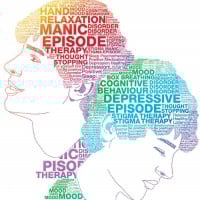
We aren't wild-eyed maniacs that go insane and splurge all of our money (at least not all of us). We just have ups and downs in our moods that are more severe than that of the average person.
-
Psychotic Disorder
People with this disorder aren't always train wrecks that stab people in alleyways. They just aren't able to distinguish reality from non-reality.
-
Schizophrenia

People with this condition aren't necessarily paranoid wrecks. They can just have mild delusions and mild hallucinations that don't bother them.
Schizophrenia is often exaggerated in horror movies and horror games to make it more scary.
-
Eating Disorder
Restrictive eating disorders are often portrayed as a temporary, fleeting phase of disordered eating or as normalized but harmful dieting practices that ran rampant in the 2000s. I wish there were more characters who are actually in my situation, but it's really taboo, and videos that talk about it are heavily censored and age-restricted. Because of that, I sometimes refuse to believe that it's as common as it's said to be. I don't have much knowledge about the representation of other eating disorders.
They don't necessarily starve themselves or binge before purging. They can eat compulsively because they're addicted to food or eat inedible objects.
-
Narcissistic Personality Disorder
They don't stare into mirrors 24/7 and worship themselves. They have an inflated sense of self-worth.
-
Generalized Anxiety Disorder
They aren't agoraphobics that are terrified of absolutely everything. They just get significantly more stress than others.
Everybody experiences anxiety, but some people have worse anxiety than others.